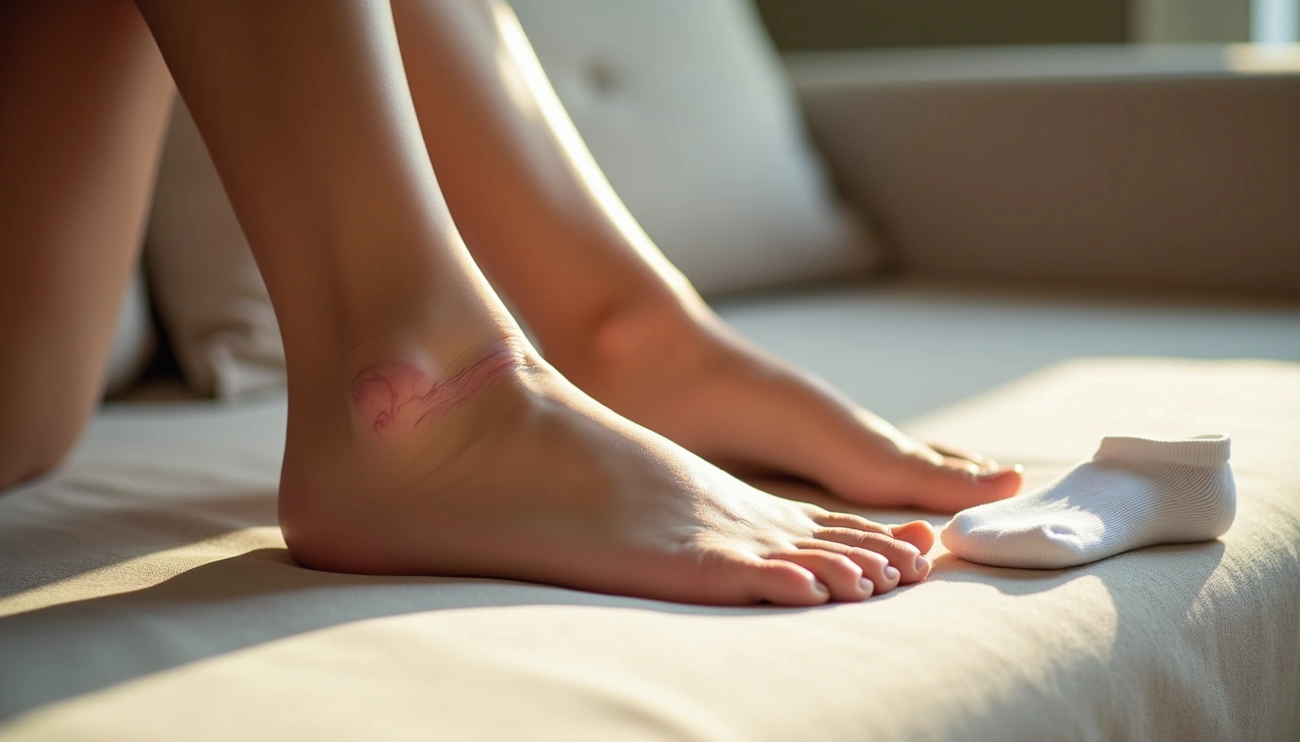
Socks leave marks due to elastic cuffs pressing into skin, especially when socks fit too tight or stay on for 8–12 hours. Mild indentations are common and harmless. Deep, painful marks with swelling may signal fluid retention, poor circulation, or conditions like high blood pressure or kidney issues. What Causes […]
Daily Archives: March 17, 2026
10 posts
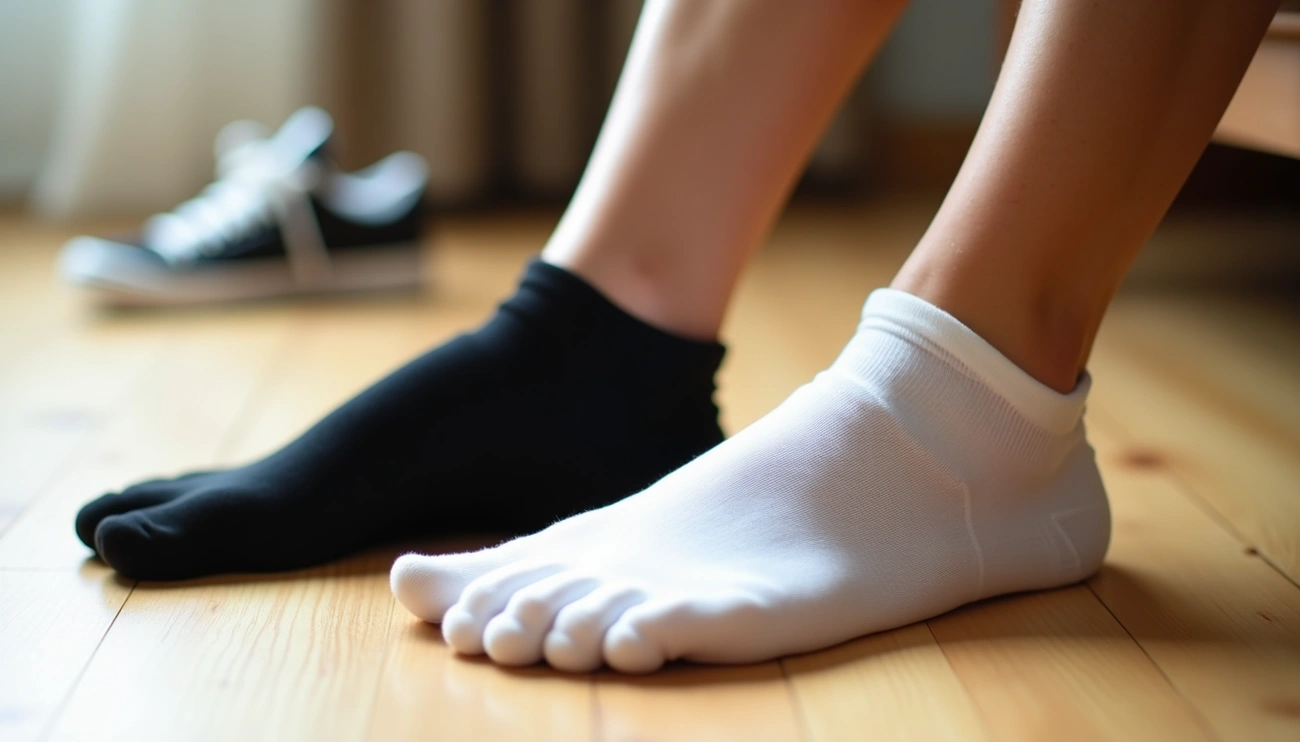
Black socks do not make feet stink more than other colors. Odor increases when socks use synthetic materials like polyester that trap heat and moisture, which promote bacteria growth. Choose cotton or moisture-wicking socks to reduce sweating, odor buildup, and bacterial activity during daily wear. Why Do Black Socks Make […]
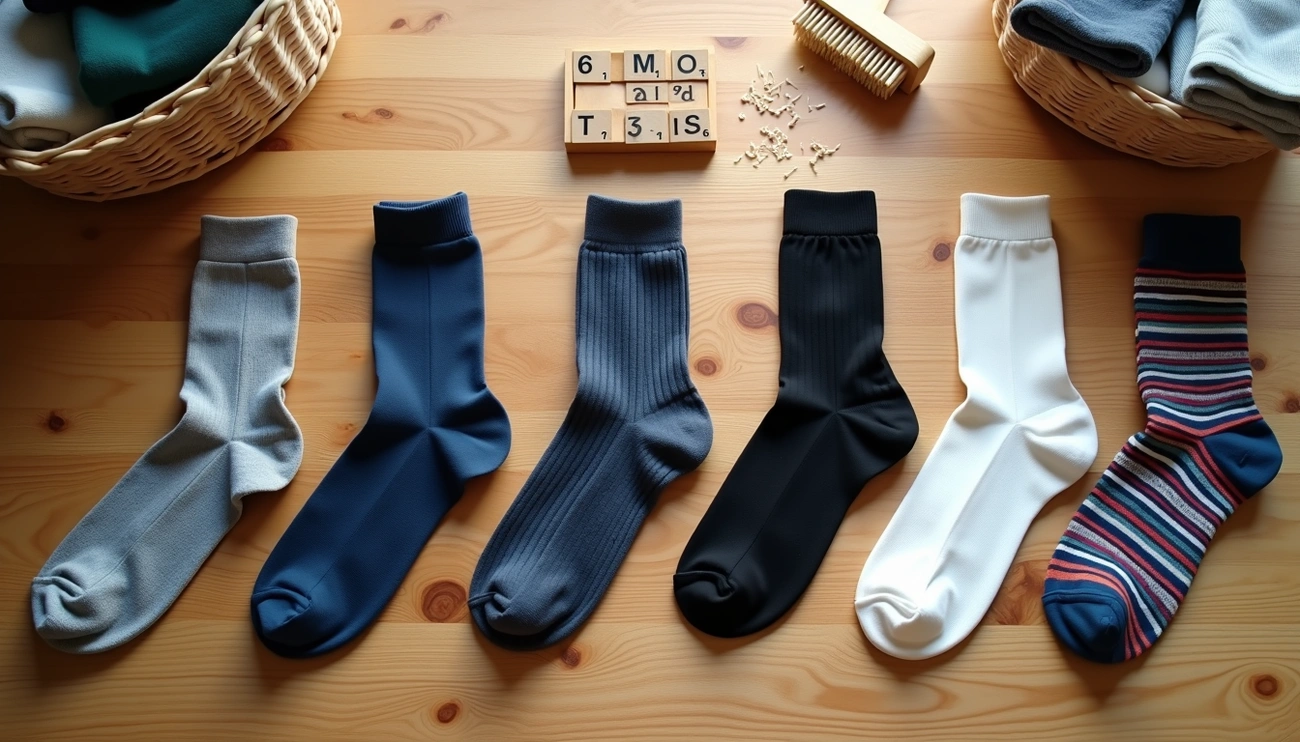
Replace socks every 6–12 months to maintain comfort, fit, and hygiene. Replace socks every 3–6 months with frequent or athletic use due to faster wear. Most performance socks lose cushioning and elasticity after 50 wash cycles, which reduces support and increases friction. Why Sock Replacement Matters for Your Feet Worn-out […]
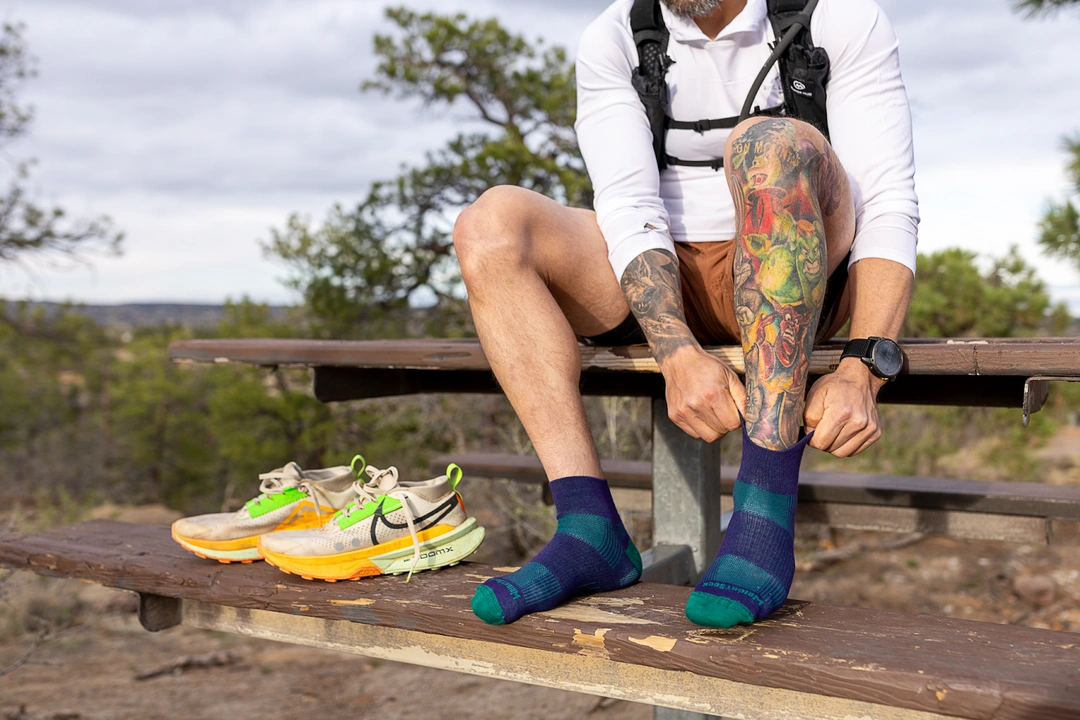
Wearing double socks prevents blisters by reducing friction and improving moisture control. The inner liner sock moves against the outer sock instead of skin, which lowers irritation. This method works best with a thin liner and a thicker outer sock during hikes or walks exceeding 5–10 miles. Understanding How Blisters […]
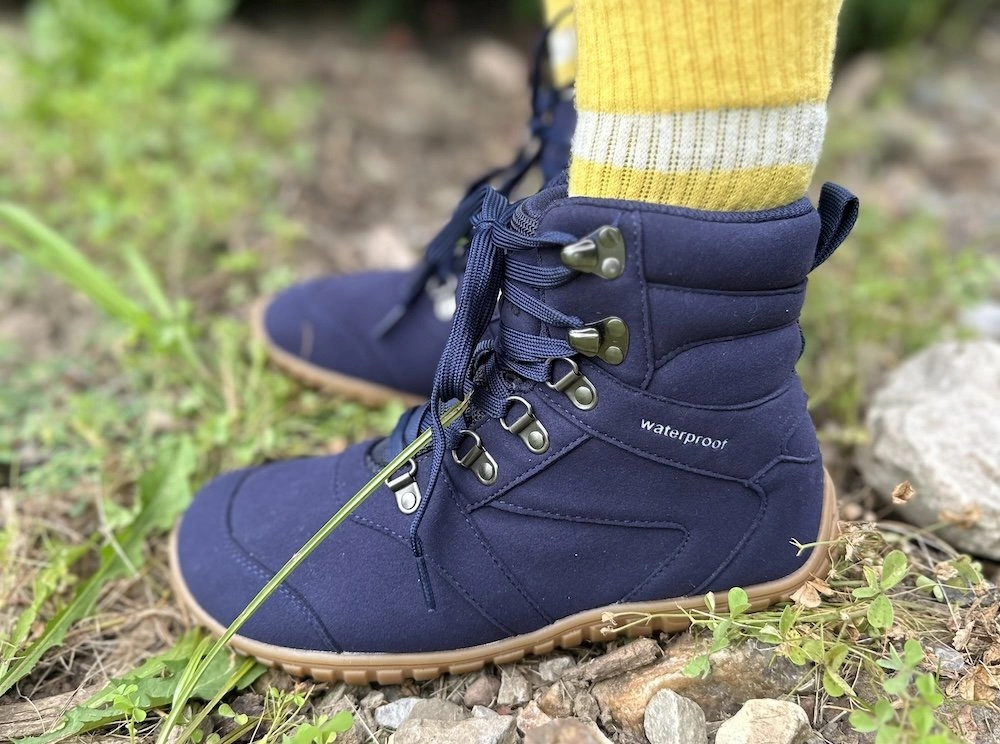
Wear socks with barefoot hiking shoes based on comfort, moisture control, and terrain. Use thin, breathable, or toe socks to reduce friction, prevent blisters, and manage odor during hikes over 3–10 miles. Go sockless for maximum ground feel and airflow, but expect increased sweat buildup. With Socks vs Without Socks: […]
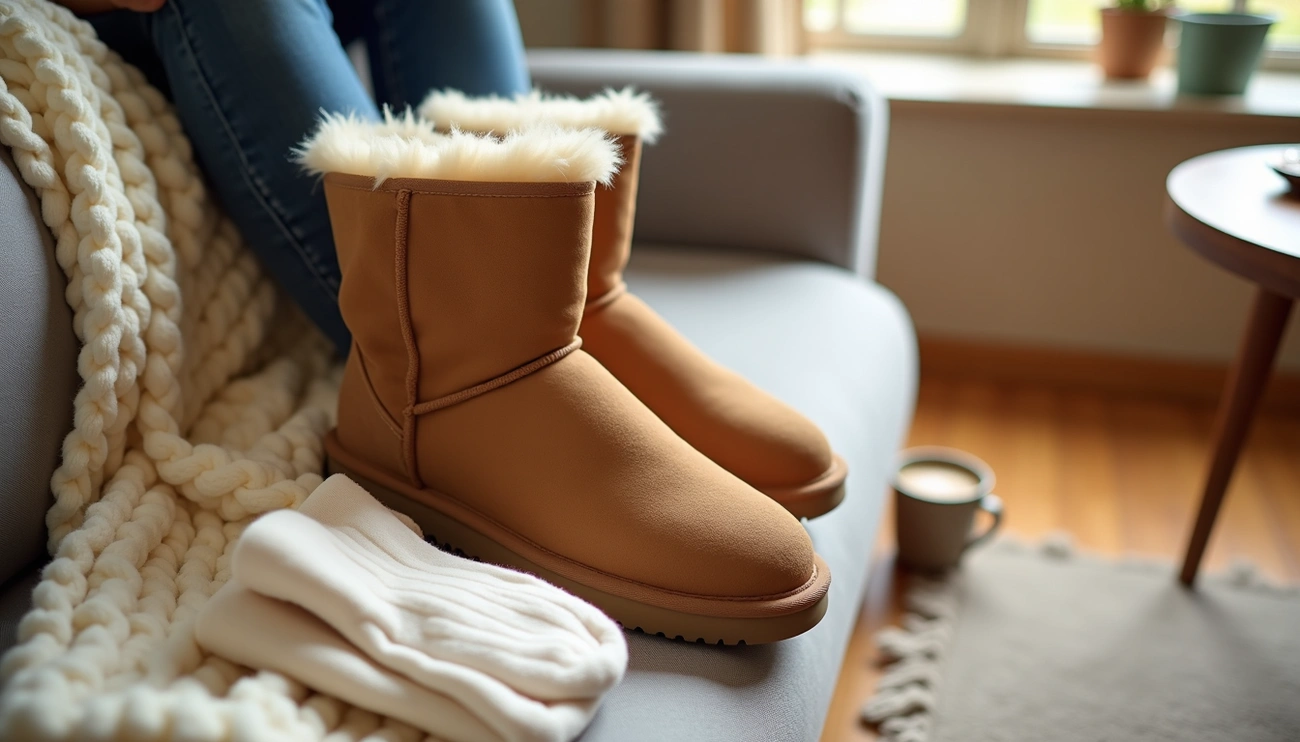
Wear UGGs without socks to maximize comfort, warmth, and moisture control. Sheepskin lining wicks moisture and molds to feet within 1–2 weeks of wear. Socks reduce breathability, increase friction, and trap heat. Wear thin socks only for hygiene or added warmth in temperatures below 40°F (4°C). Are You Supposed to […]
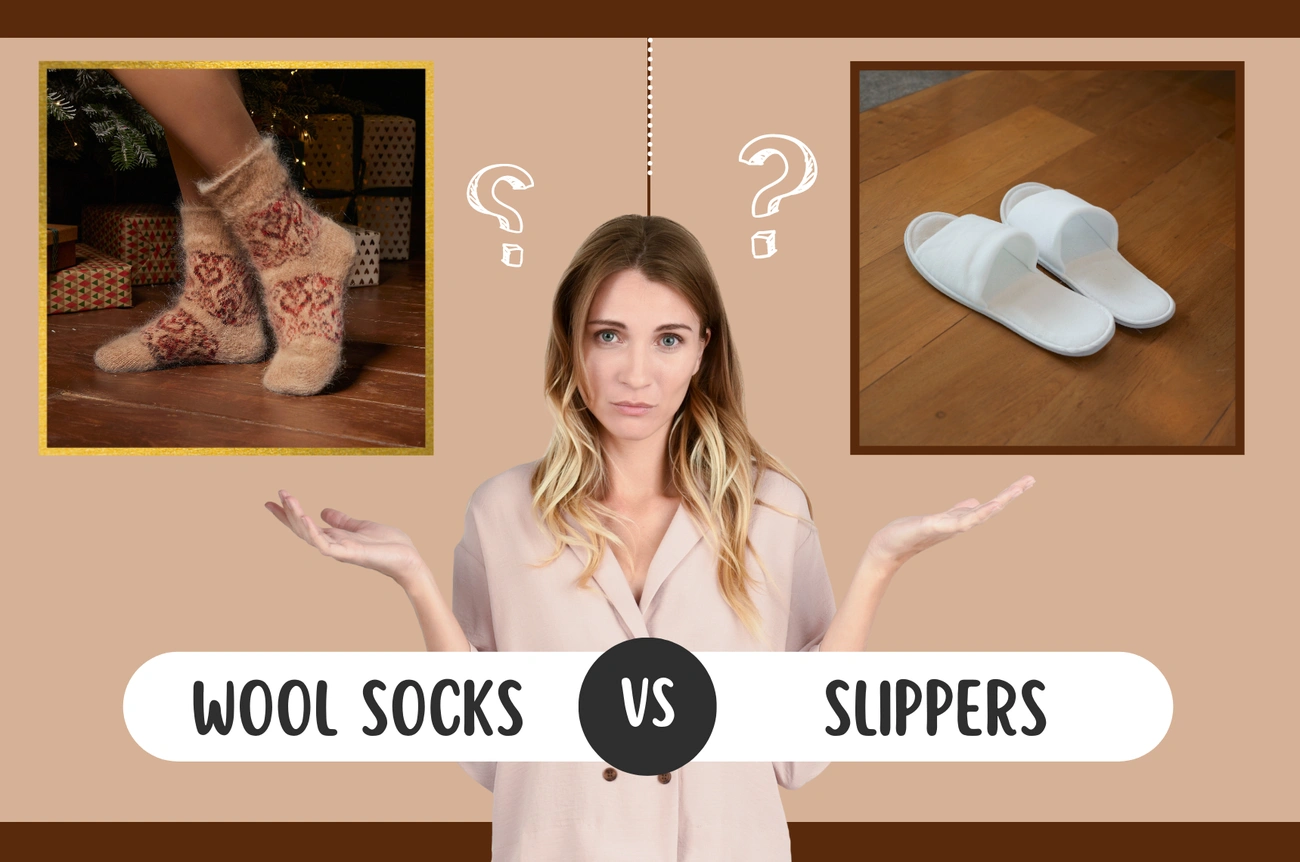
Wear socks with slippers to improve hygiene, comfort, and durability. Socks absorb sweat, reduce odor, and protect feet from bacteria and dirt. Use socks with closed-back or lined slippers to extend slipper life by 3–6 months and maintain a cleaner interior. The Great Socks with Slippers Debate Why This Question […]
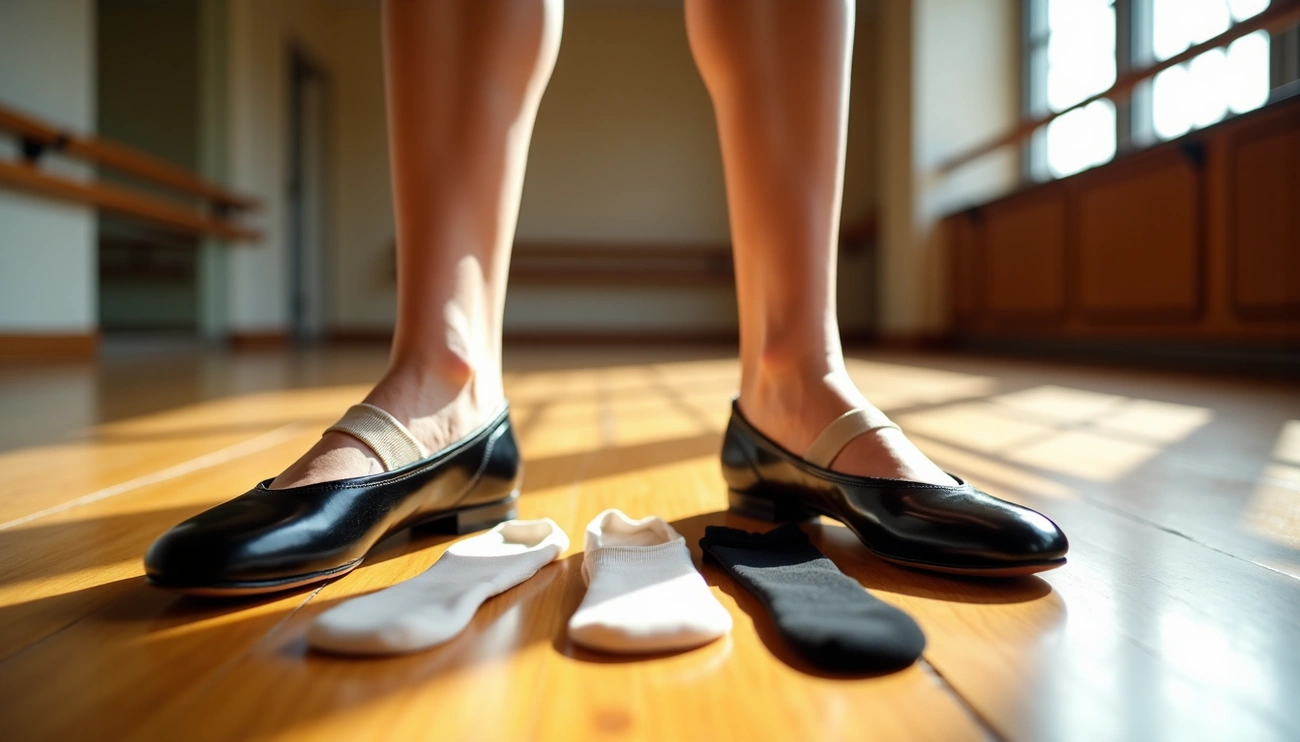
Wear socks with tap shoes based on comfort, fit, and shoe condition. Many dancers use thin or no-show socks to prevent blisters, reduce odor, and improve comfort. Use thick socks when breaking in new or tight tap shoes to stretch material and reduce pressure. Understanding Tap Shoes and Footwear Basics […]
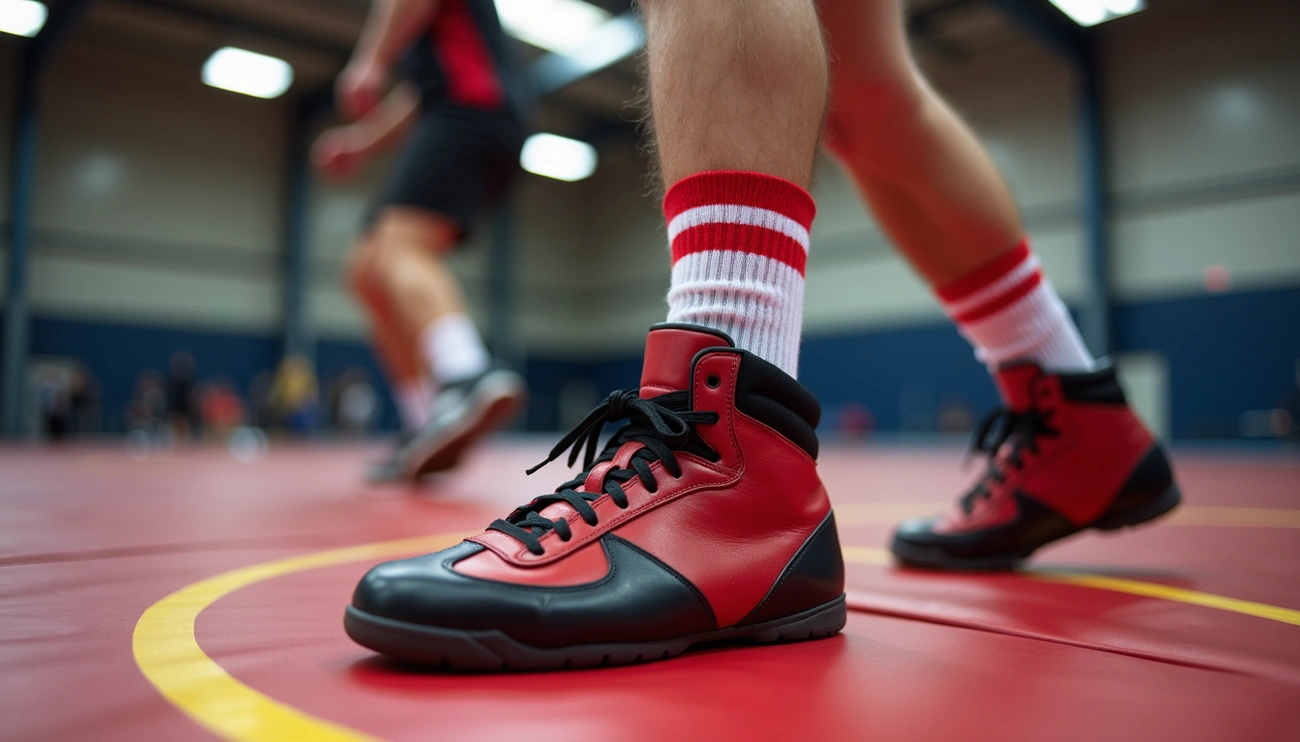
Wear socks with wrestling shoes to improve comfort, protection, and fit. Socks reduce friction to prevent blisters, absorb sweat to keep feet dry, and protect skin during matches. Use thin, lightweight, or crew-length socks to maintain a snug fit and prevent irritation from high-ankle shoe design. Do You Have to […]
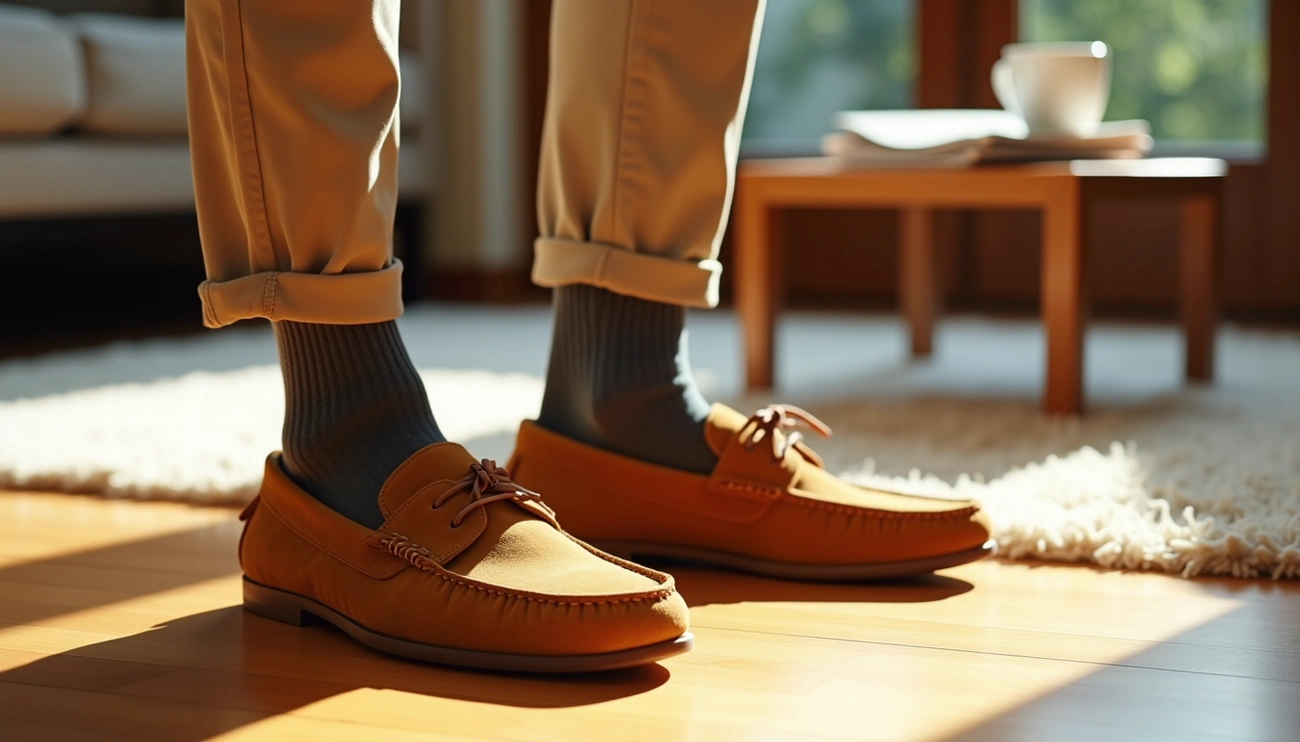
Wear socks with moccasins based on style, comfort, and weather. Traditional styling favors no socks or no-show socks for a clean look. Wear visible socks for added warmth in temperatures below 60°F (15°C) or to add personal style through color and pattern. The Honest Answer: When to Wear Socks with […]