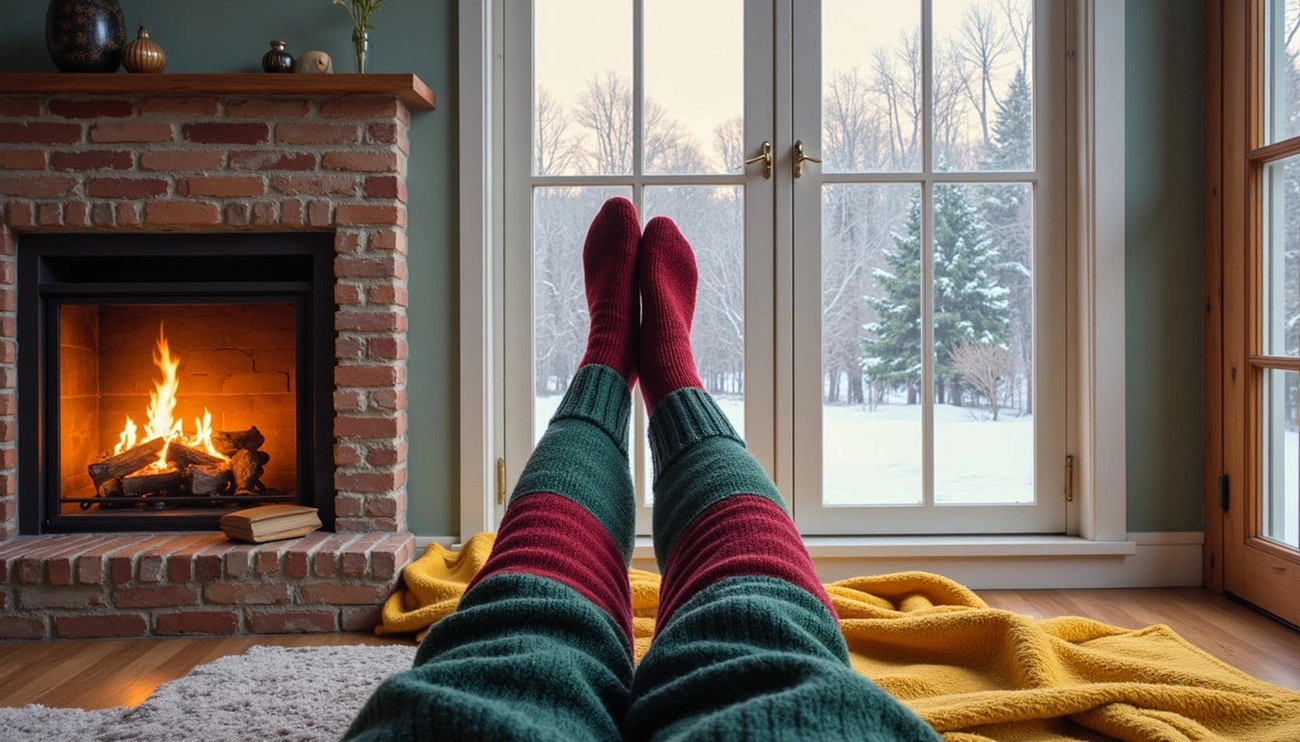
Cabin socks are thick, warm socks designed for indoor comfort and winter lounging. Manufacturers make cabin socks from wool, fleece, polyester faux sherpa, or plush blends to provide extra insulation and softness. Many cabin socks include non-slip silicone grippers, making them a cozy alternative to slippers for relaxing at home. […]
Yearly Archives: 2026
57 posts
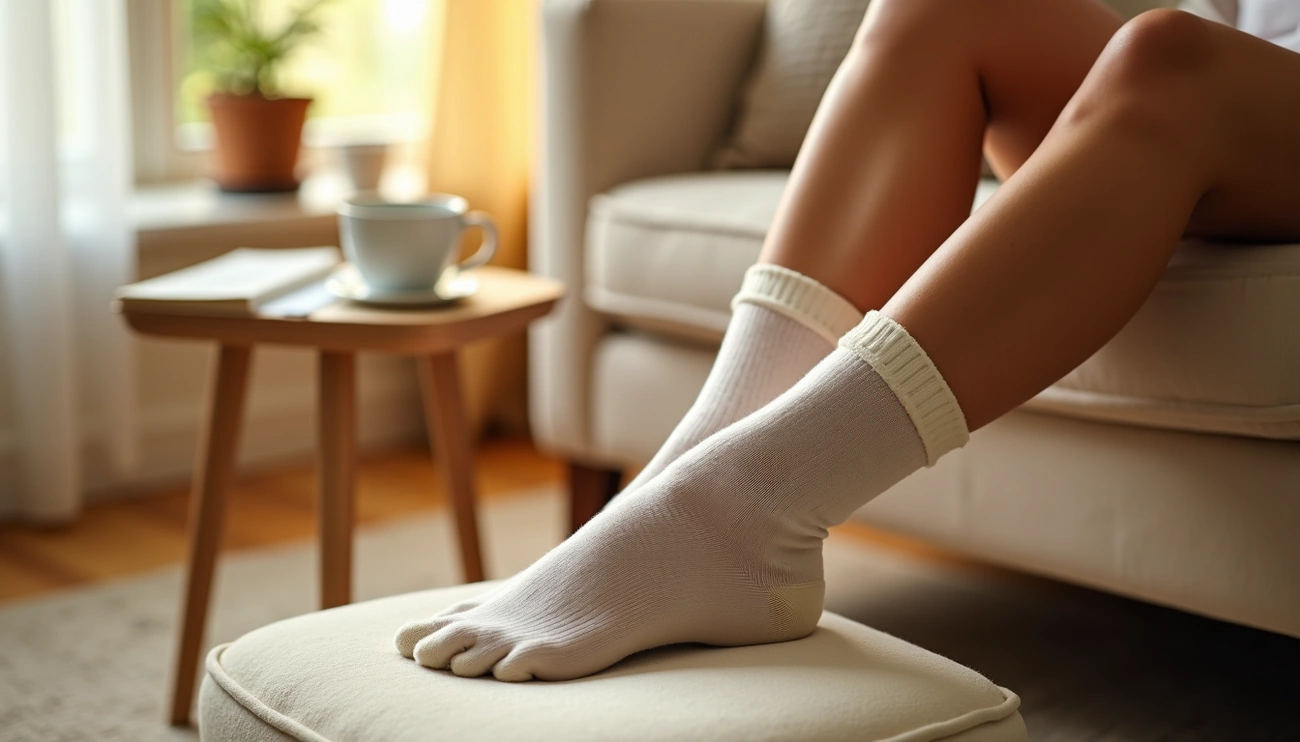
Non-binding socks are loose-fitting socks designed to improve circulation by preventing tight pressure around the leg. They feature a stretchy, elastic-free top band and seamless design that reduces red marks and discomfort. Many non-binding socks use cotton and spandex and help people with diabetes, edema, neuropathy, or swollen ankles. What […]
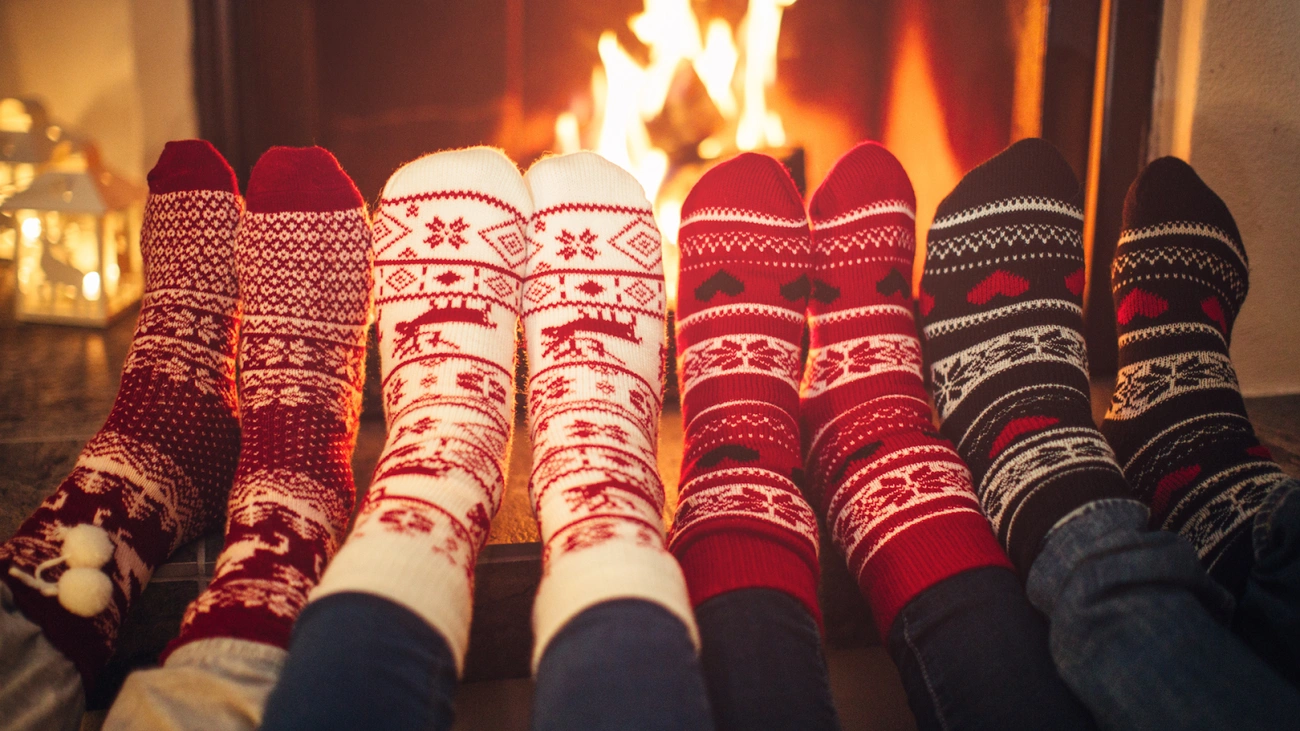
Thermal socks are thick, insulating socks designed to keep feet warm in cold conditions. Manufacturers make thermal socks from wool, acrylic, or polyester to trap body heat and manage moisture. Many thermal socks include brushed interiors and soft linings and are commonly used for winter sports, outdoor work, and circulation […]
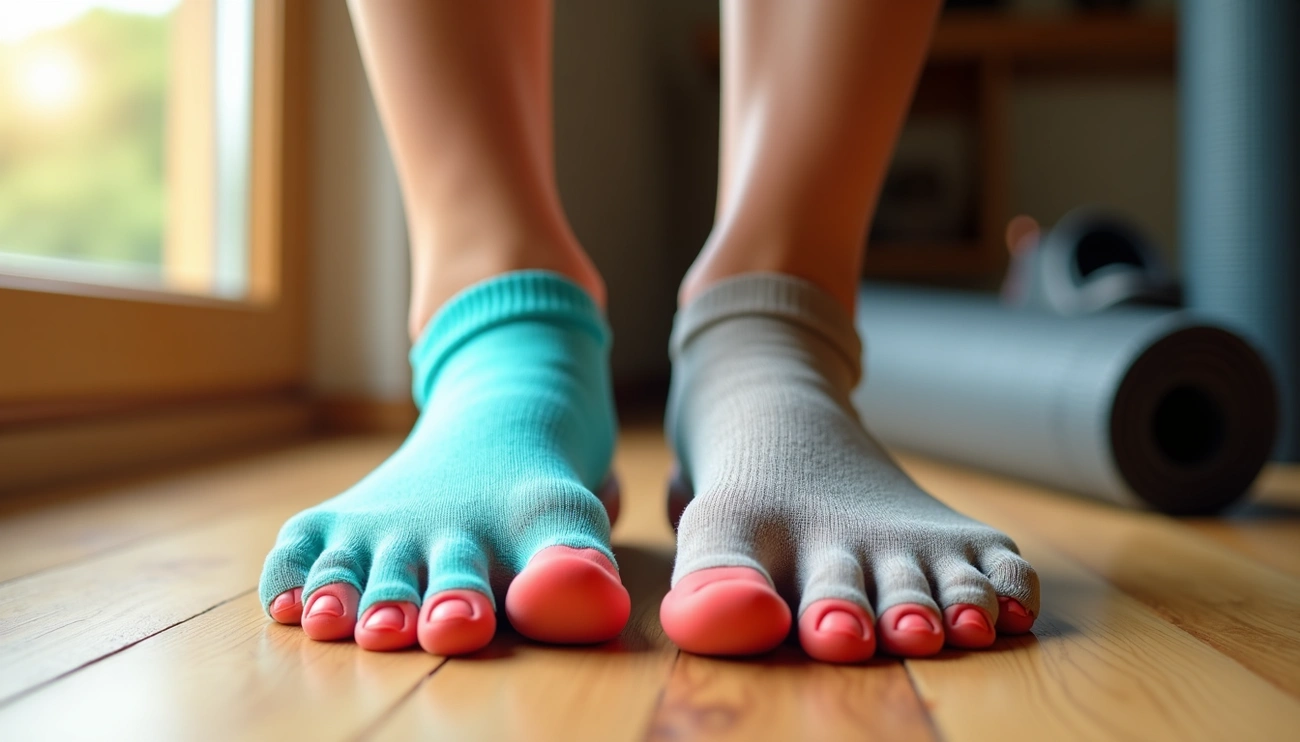
Toe socks can be better for foot health because they separate each toe, which reduces skin-on-skin friction and blister formation. Toe separation also improves moisture control and natural toe splay, which supports balance and alignment. Runners, hikers, and people with bunions or hammertoes often benefit most. What Are Toe Socks […]
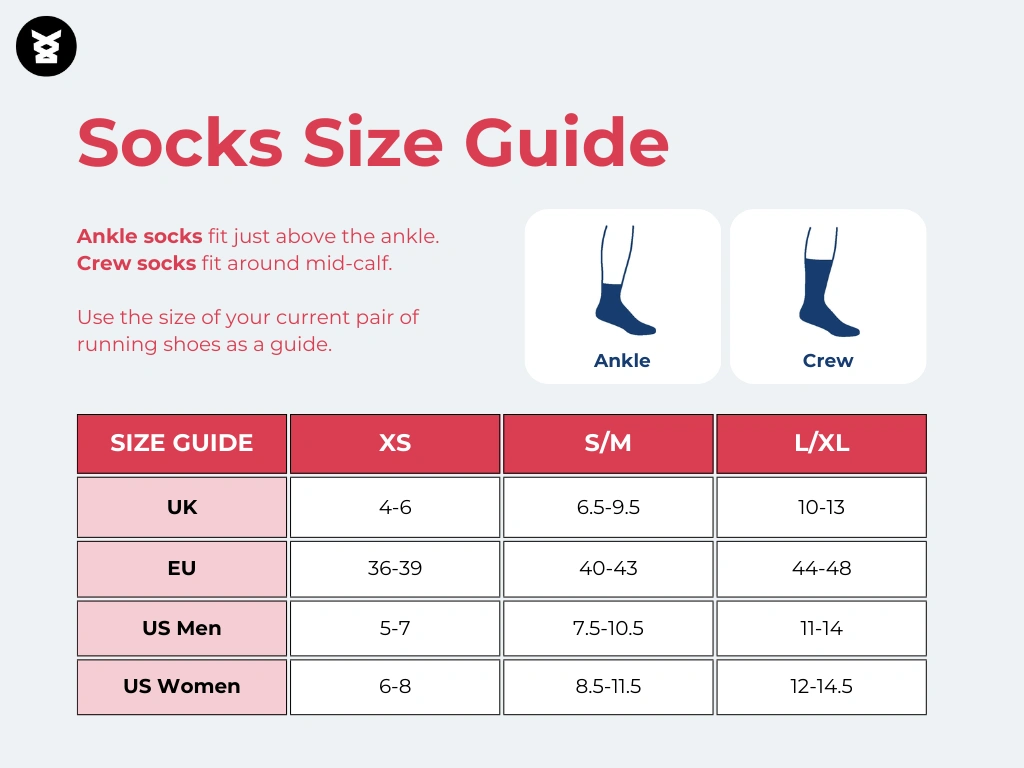
A women’s sock size 40–43 (EU) usually equals a Large (L) size. This range typically fits U.S. women’s shoe sizes 9–12. Many brands label this size as Large or sometimes Medium/Large depending on the stretch, material, and sizing system used by the manufacturer. What Size Is 40-43 in Socks for […]
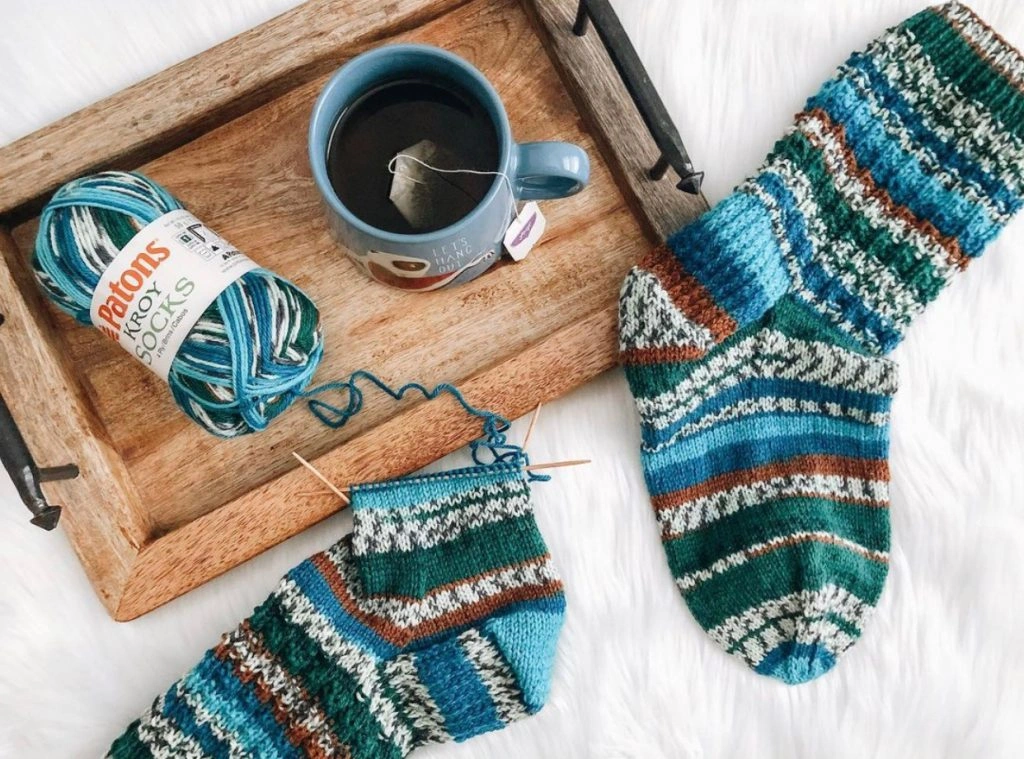
A standard pair of adult socks requires about 100 grams of fingering-weight yarn, equal to 400–450 yards. One 100 g skein usually makes average-sized socks. Smaller ankle socks may use about 50 g, while larger sizes or calf-high socks can require up to 150 g depending on size and length. […]
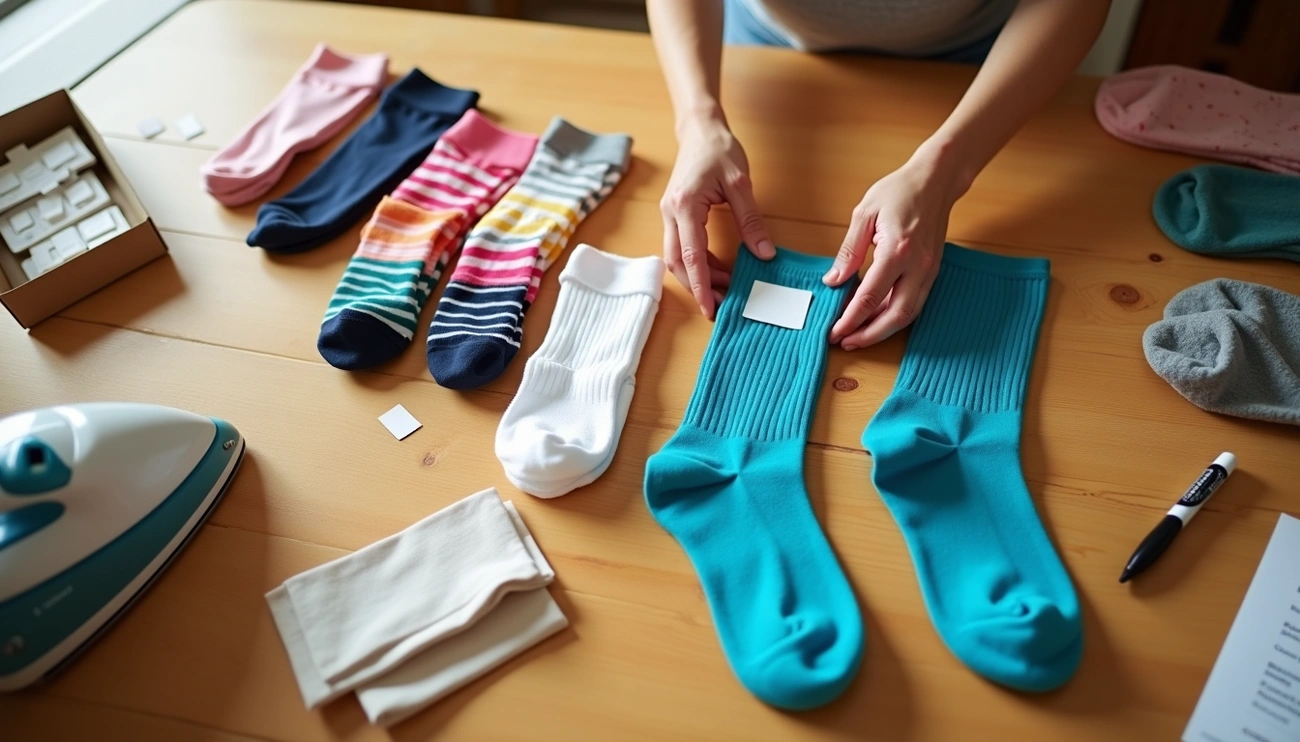
Label socks for camp by marking the sole or inner cuff with a fabric stamp, permanent marker, or iron-on label. Use quick-drying indelible ink so the name stays visible after washing and drying. Color-code pairs with small tags or marks to help campers quickly identify socks and prevent losses. Why […]
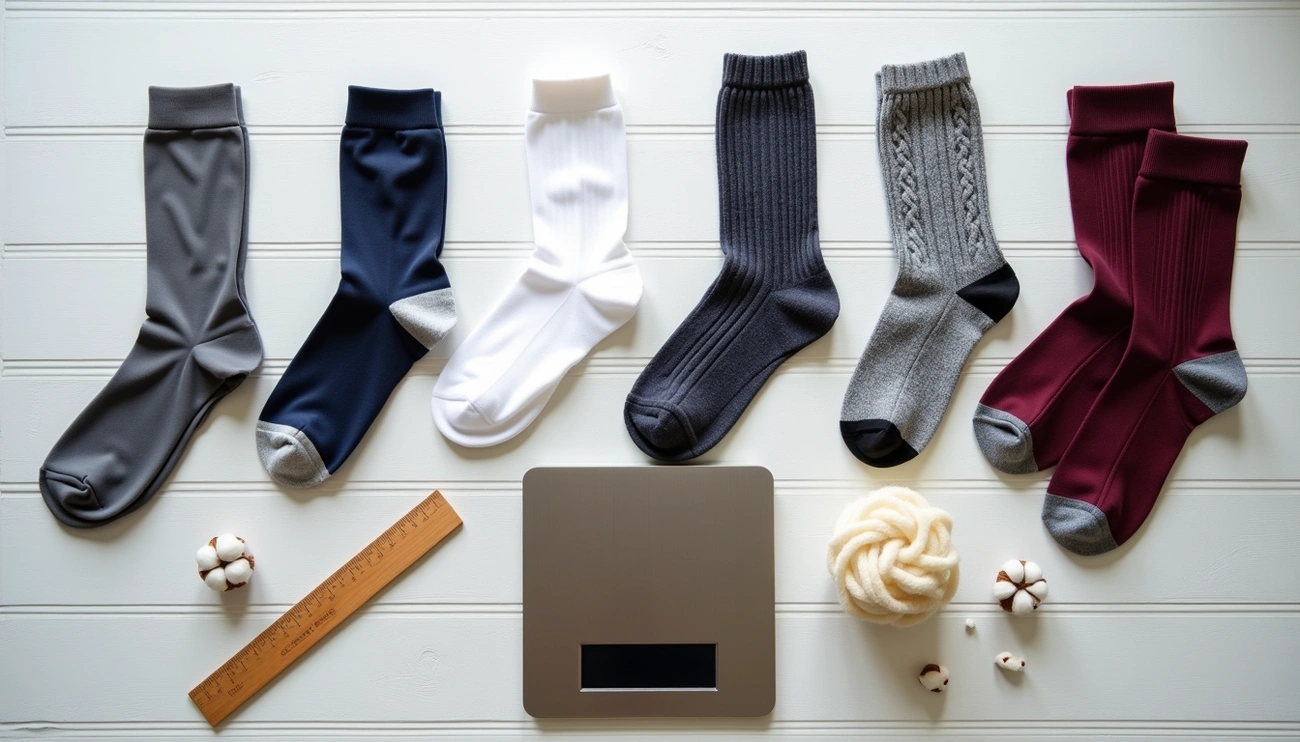
A typical pair of socks weighs about 2 ounces (55–60 grams). Standard ankle or crew socks usually weigh close to this average. Lightweight ankle socks weigh about 1.9 oz (54 g) per pair, while thicker winter or merino wool hiking socks can weigh up to 5 oz (142 g) per […]
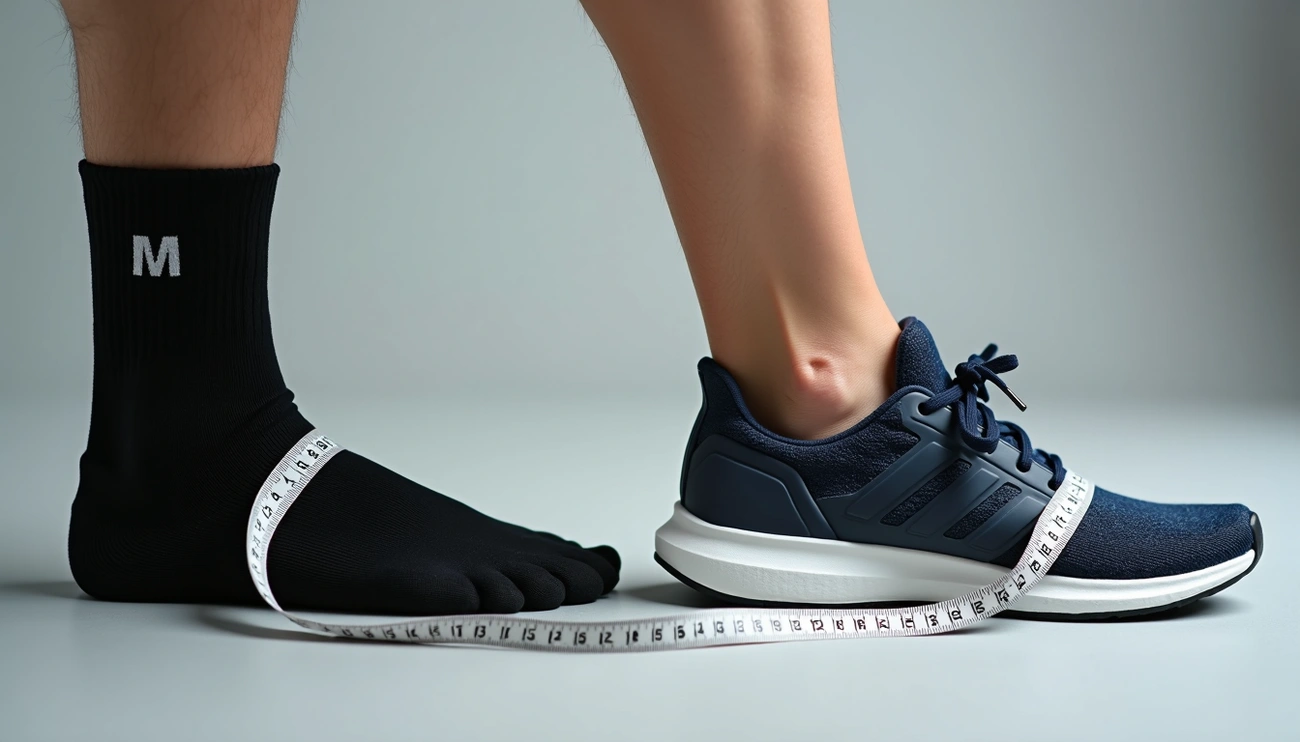
No, sock and shoe sizes are not the same. Sock sizes cover broader ranges, such as a Men’s Large fitting shoe sizes 10–12, because socks stretch and adapt to foot length. Shoes require precise sizing, while socks use ranges or letters like S, M, and L. What’s the Difference Between […]
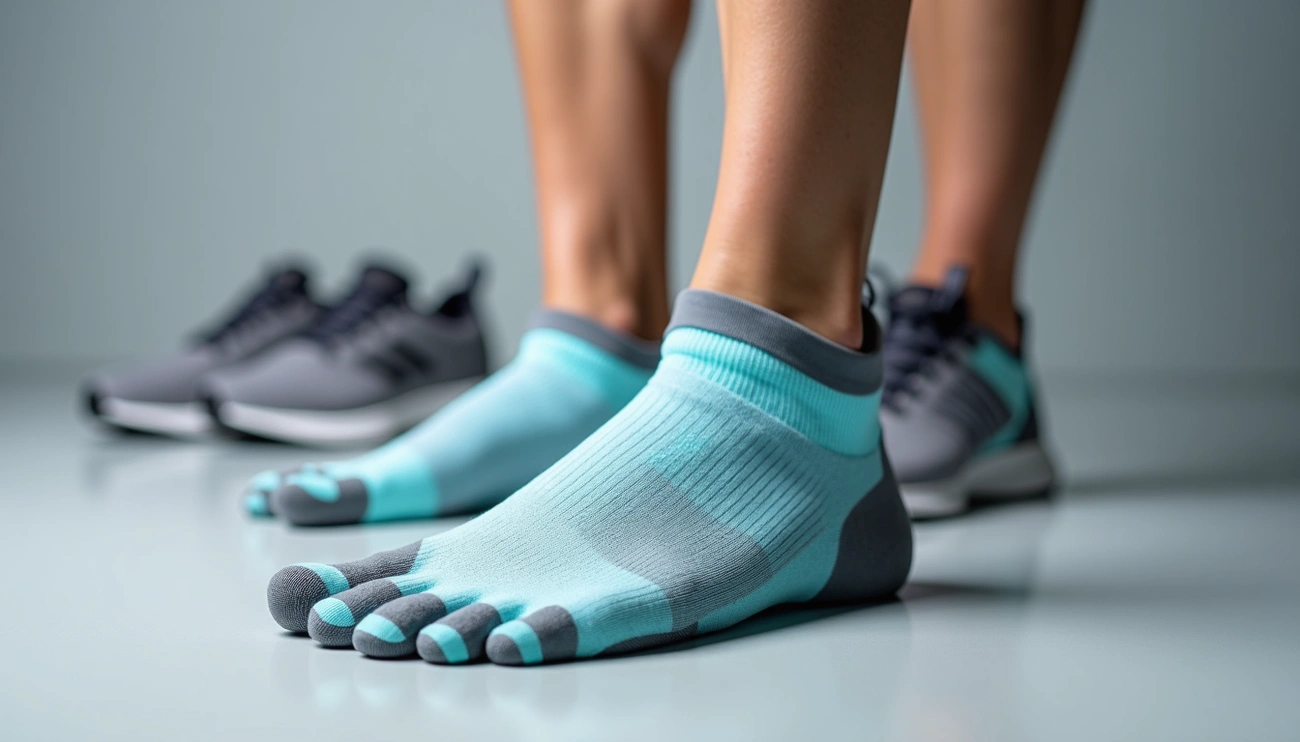
Yes, toe socks are good for running because they prevent blisters by eliminating skin-on-skin friction, improve moisture control, and allow natural toe splay for better balance and stability. Many runners prefer them for long distances or hot conditions despite a short adjustment period. What Makes Toe Socks Different from Regular […]