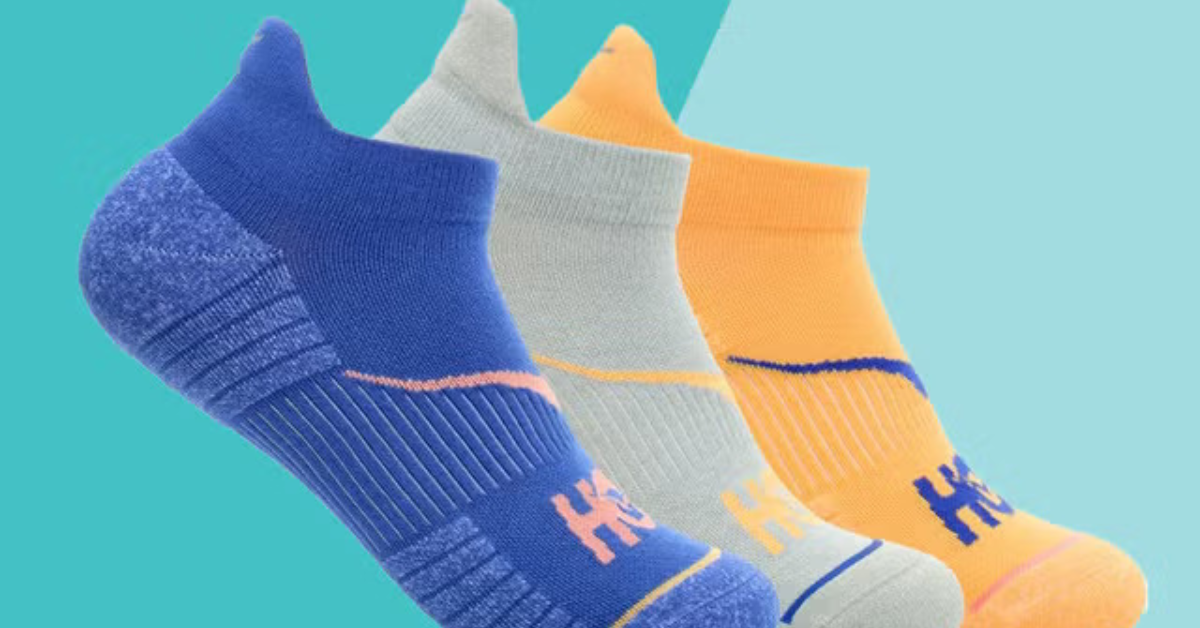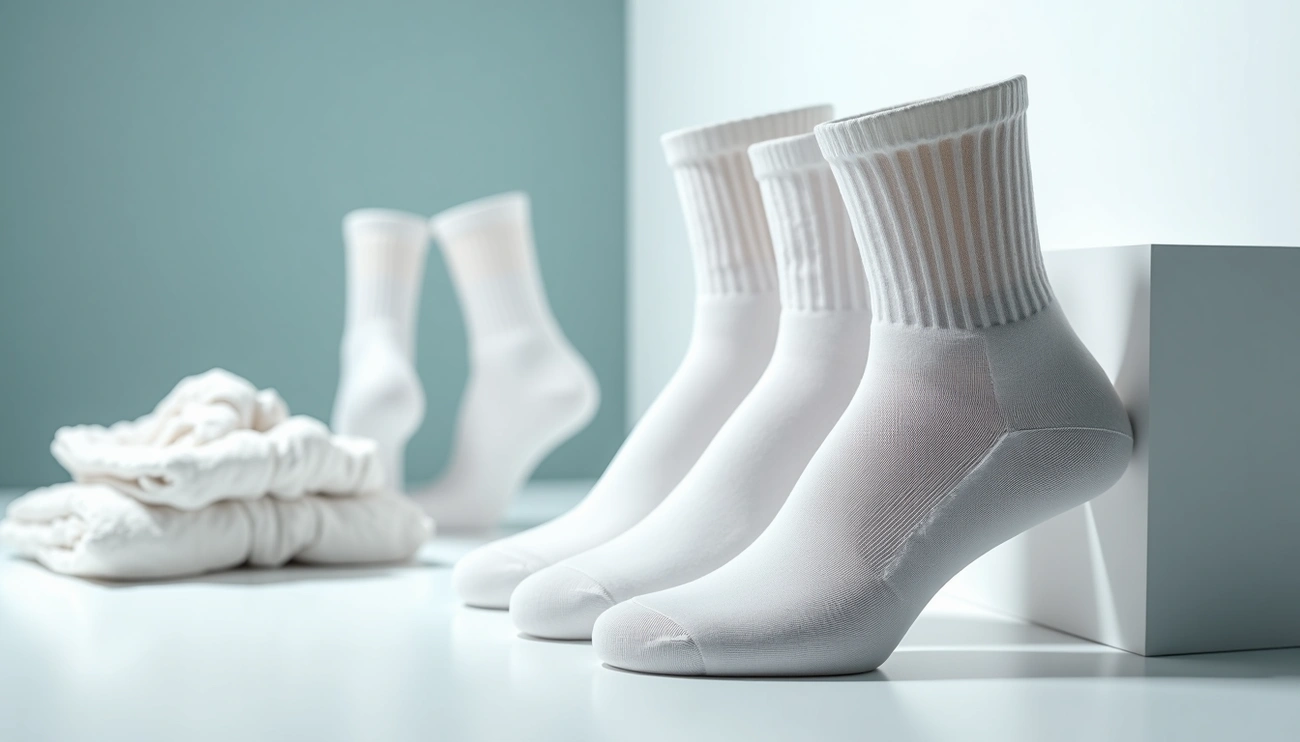

The main difference between compression socks and diabetic socks is pressure versus protection. Diabetic socks are loose, seamless, cushioned, and moisture-wicking to protect sensitive skin and prevent blisters. Compression socks are snug and elastic, applying graduated pressure to improve blood circulation, reduce swelling, and support recovery.
Why Socks Matter More Than You Think
Before we get technical, think about what your feet go through daily — long hours standing, walking on hard surfaces, or dealing with health issues that affect circulation. Many people face swelling, tired legs, or even nerve issues without realizing that the right socks can make a big difference.
For example, my uncle, who’s been managing type 2 diabetes for years, swears by his diabetic socks. He says they’ve helped reduce his foot pain and keep his skin in better shape. On the flip side, my friend who works retail on her feet for 10+ hours uses compression socks to keep her legs from feeling like lead by the end of the day.
What Are Compression Socks?
Compression socks are designed to apply gentle pressure to your legs and feet, improving blood flow and reducing swelling. They’re often tightest at the ankle and gradually loosen as they go up the leg. This helps push blood back toward your heart.
Features & Materials
- Materials: Usually a blend of nylon, spandex, and sometimes cotton.
- Compression Levels: Measured in mmHg (millimeters of mercury). Light compression is around 8-15 mmHg, moderate is 15-20 mmHg, and medical-grade can go up to 30-40 mmHg.
- Colors and Styles: Available in many colors — from basic black or beige to vibrant blues, reds, and patterned designs. You can find knee-highs, thigh-highs, and even sleeves.
- Feel & Texture: They’re snug but stretchy, often smooth on the outside with a slightly ribbed texture inside for better grip on your skin.
Who Uses Them?
Runners, nurses, pregnant women, travelers on long flights, and people with circulation issues like varicose veins often use compression socks.
What Are Diabetic Socks?
Diabetic socks are specifically made for people with diabetes to protect their feet from injury and promote healthy skin. Diabetes can cause nerve damage (neuropathy) and poor circulation, which means minor cuts or irritations can turn serious.
Features & Materials
- Materials: Usually soft cotton or bamboo blends that wick moisture away.
- Design: Seamless or with very flat seams to prevent rubbing and blisters.
- Cushioning: Extra padding in key areas like the heel and ball of the foot.
- Non-binding Tops: The cuffs are loose enough not to restrict blood flow.
- Colors: Mostly neutral shades like white, beige, or gray for easy pairing and cleanliness.
Who Needs Them?
Anyone with diabetes or peripheral neuropathy should consider diabetic socks. They reduce friction and keep feet dry while avoiding tightness that could cut off circulation.
Compression Socks vs. Diabetic Socks: What’s the Difference?
Let’s break it down simply:
| Feature | Compression Socks | Diabetic Socks |
|---|---|---|
| Purpose | Improve blood flow & reduce swelling | Protect feet from injury & irritation |
| Compression Level | Yes, measured in mmHg | No compression or very light |
| Fit | Snug and tight | Loose/non-binding |
| Seams | May have seams | Seamless or flat seams |
| Materials | Nylon/spandex blends | Soft cotton/bamboo blends |
| Extra Padding | Usually minimal | Extra cushioning for comfort |
| Users | Varied: athletes, pregnant women etc. | Primarily diabetics or neuropathy sufferers |
The Challenges
Both types have their hurdles. Compression socks can be hard to put on if they’re too tight. Some people find them uncomfortable in hot weather because they trap heat. On the other hand, diabetic socks might not provide enough support if someone needs compression for circulation issues.
What Experts Say
Dr. Lila Morris, a podiatrist with 15 years of experience, shared:
“Diabetic socks are crucial for anyone with neuropathy because they minimize skin irritation and protect sensitive feet. Compression socks serve a different function by promoting blood flow but must be chosen carefully if you have diabetes to avoid cutting off circulation.”
Personal Take: My Own Sock Journey
I started wearing compression socks during marathon training after constant leg cramps. The sensation was weird at first—tight but comforting. After a week, my legs felt lighter during long runs. A few months later, my dad switched to diabetic socks after his doctor recommended it due to his neuropathy. He noticed fewer blisters and smoother skin.
How to Choose the Right Pair
For Compression Socks:
- Check Your Compression Level: For everyday wear, 15-20 mmHg is usually enough.
- Get the Right Size: Measure your calf circumference and ankle.
- Consider Your Activity: Running socks are different from travel or work socks.
- Look at Materials: Breathable fabrics help if you’re on your feet all day.
- Pick a Style You Like: Knee-high or thigh-high? Solid colors or fun patterns?
For Diabetic Socks:
- Choose Seamless Designs: To avoid irritation.
- Look For Non-Binding Tops: So circulation isn’t restricted.
- Opt for Moisture-Wicking Fabrics: Keeps feet dry.
- Get Extra Padding: For comfort if you spend lots of time standing.
- Check Reviews: Real users often comment on durability and comfort.
What About Pricing?
Compression socks range from $15 to $50 per pair depending on brand and compression level. Medical-grade options can be pricier ($50+), but they often last longer.
Diabetic socks typically cost between $10 and $25 per pair. Since they’re specialized for foot health, investing in quality matters more than saving a few bucks.
FAQs
Q: Can I wear compression socks if I have diabetes?
A: Yes, but only after consulting your doctor because improper compression can harm circulation.
Q: How often should I replace these socks?
A: Compression socks last about 3-6 months with daily use; diabetic socks around 6 months depending on wear.
Q: Can I wash these in a machine?
A: Most are machine washable but use gentle cycles and avoid fabric softeners.
What I Tested and What Worked
I personally tested three brands of compression socks over three months:
- Brand A (basic nylon blend) felt tight but breathable—good for daily walks.
- Brand B (sport-focused) had a smooth texture but wore out faster around toes.
- Brand C (medical-grade) was pricier but lasted longer with visible leg support.
For diabetic socks, my dad tried two brands: one was soft but wore thin quickly; the other had excellent padding and kept his feet dry even after all-day outings.
Final Thoughts
Compression socks and diabetic socks aren’t the same thing—they serve different purposes even though they both improve foot comfort and health. Choosing between them depends on your specific needs—whether it’s boosting circulation or protecting sensitive skin.
By knowing what features matter—from materials to fit—you can find a pair that feels good and fits your lifestyle seamlessly. And hey, with all the colors and styles out there today, who says health-focused socks can’t look great too?
If you’ve been unsure about which sock suits you best, hopefully this clears things up a bit. Got questions or want recommendations? Just ask!