Yes, toe socks are good for running because they prevent blisters by eliminating skin-on-skin friction, improve moisture control, and allow natural toe splay for better balance and stability. Many runners prefer them for long distances or hot conditions despite a short adjustment period.
What Makes Toe Socks Different from Regular Running Socks
The fundamental difference between toe socks and traditional running socks lies in their design philosophy. Looking at toe socks for the first time might make you think they’re simply a novelty, but their structure serves a specific purpose for runners.
Individual toe compartments vs. traditional sock design
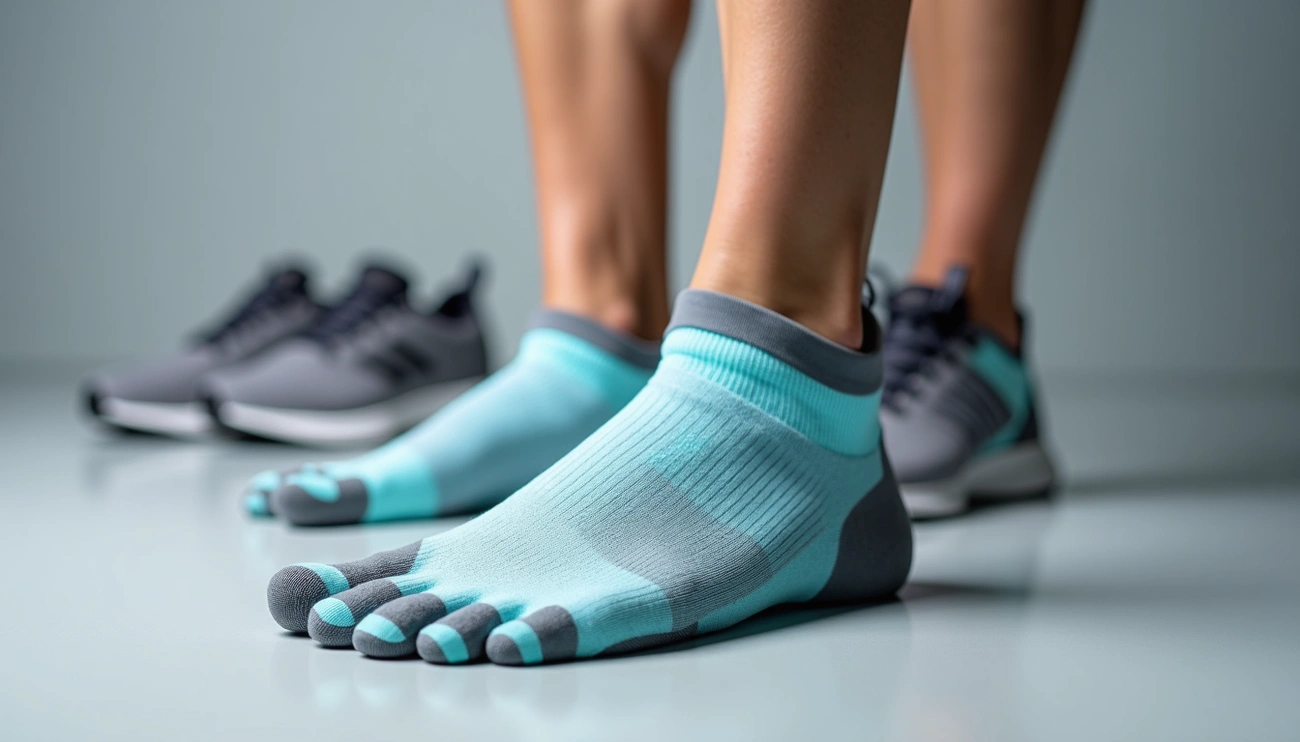
Unlike conventional socks that bundle all five toes together, toe socks feature individual sleeves for each toe—essentially functioning as gloves for your feet. This anatomical design allows your toes to move independently rather than being compressed into a single compartment. Traditional running socks force your toes to compete for space, creating unnecessary pressure points. Moreover, the bunching together of toes in regular socks can interfere with proper toe alignment and increase friction between toes.
How toe socks interact with barefoot and minimalist shoes
Toe socks have evolved significantly from their uncomfortable predecessors of decades past. Today, they complement barefoot and minimalist running shoes perfectly. Since barefoot-style footwear aims to mimic natural foot movement with wide toe boxes, toe socks enhance this experience by maintaining toe separation. For runners embracing the minimalist approach, toe socks represent the logical next step in foot freedom. The combination creates an environment where your feet can function as nature intended—with toes splayed naturally instead of being squeezed together.
Impact on foot alignment and movement
Properly aligned toes are crucial for maintaining balance, preventing foot pain, and supporting correct posture. Consequently, toe socks help your feet develop a more stable foundation. By separating each toe, these specialized socks encourage natural toe splay, which is essential for balance and proper weight distribution. Furthermore, this design promotes better foot mechanics as you run, allowing you to engage your entire foot and toes on various surfaces.
The separation also serves another critical purpose: eliminating skin-on-skin contact between toes, thereby reducing friction that leads to hotspots and blisters. This innovative approach to sock design ultimately supports your foot’s natural architecture rather than constraining it.
5 Key Benefits of Running Toe Socks
Toe socks offer much more than just an unusual appearance—they provide specific advantages that can enhance your running experience. Let’s explore the primary benefits that make toe socks worth considering for your next run.
1. Prevent blisters by reducing toe friction
The most compelling reason many runners switch to toe socks is blister prevention. By wrapping each toe individually in fabric, toe socks create a protective barrier that completely eliminates skin-on-skin friction. This design is particularly valuable for long-distance runners, as the separation prevents the rubbing between toes that typically leads to painful hotspots and blisters. For runners with bunions, this benefit is especially significant because bunions often cause the big toe to push against others, creating friction points.
2. Wick moisture to keep feet dry
Moisture between toes creates the perfect environment for discomfort and fungal growth. Toe socks solve this problem by wrapping moisture-wicking materials around each individual toe. This design increases the surface area of moisture-busting fabric, drawing sweat away from the skin instead of absorbing it. High-performance toe socks typically use materials like polyester, COOLMAX, or Merino wool that efficiently absorb and vaporize sweat. This feature is particularly helpful during intense running sessions when feet tend to sweat profusely.
3. Encourage natural toe splay and foot function
Unlike traditional socks that compress toes together, toe socks promote natural toe splay—the way toes naturally spread when barefoot. This design allows your toes to move independently, strengthening foot muscles and improving overall foot mechanics. When toes are properly separated and aligned, your weight distributes more evenly across your foot, allowing for complete foot engagement during athletic activities. This natural positioning helps your feet function as they were designed to, particularly beneficial when paired with wide toe box running shoes.
4. Improve balance and proprioception
Proper toe separation fundamentally enhances your stability and ground feel. With each toe able to move independently, your balance improves noticeably. This improved proprioception—your body’s awareness of its position in space—is especially valuable for technical trail running or when navigating uneven terrain. The individual toe compartments allow better ground contact, enhancing your agility and overall performance. Many runners report improved foot awareness after switching to toe socks.
5. Support better toe alignment and posture
Toe socks help maintain proper toe alignment by reducing the inward pull on your big toe. This alignment is crucial not only for preventing issues like bunions but also for supporting proper posture throughout your entire body. The improved toe positioning creates a more stable foundation that supports natural foot mechanics and helps maintain proper alignment up through your ankles, knees, and hips. This benefit extends beyond running, potentially improving your overall posture throughout daily activities.
Do Toe Socks Help Prevent Running Injuries?
Beyond comfort and performance benefits, toe socks may actually help prevent common running injuries. Let’s examine the evidence for their protective properties.
Blister prevention and skin protection
Running-related blisters form when fluid fills the space between layers of skin due to friction damage. Toe socks eliminate skin-on-skin contact between toes, completely removing a primary source of friction. This protective barrier is particularly effective for interdigital spaces, where traditional socks offer minimal protection. Equally important, toe socks feature moisture-wicking properties that keep the space between toes dry, reducing maceration that can lead to skin breakdown.
Reduced risk of bunions and toe deformities
Toe socks can help maintain proper toe alignment by encouraging natural toe separation. As a result, they may reduce the risk of developing bunions and other toe deformities. The split-toe design helps gently separate the big toe, discouraging the inward curl that initiates bunion formation. Furthermore, cushioned zones in specialized bunion relief toe socks can reduce direct shoe pressure on sensitive areas.
Improved gait and reduced overpronation
Proper toe alignment contributes to a more stable gait. Toe socks promote this alignment, thereby reducing the likelihood of overpronation or supination—factors often associated with shin splints and stress fractures. By allowing toes to splay naturally, these specialized socks help distribute weight more evenly across the foot. This balanced support makes them valuable for preventing repetitive strain injuries and ensuring proper biomechanics.
Are There Any Downsides to Toe Socks for Running?
Despite their numerous advantages, toe socks come with practical limitations worth considering. As with any specialized gear, understanding these drawbacks helps determine if they’re right for your running needs.
Fit and sizing challenges
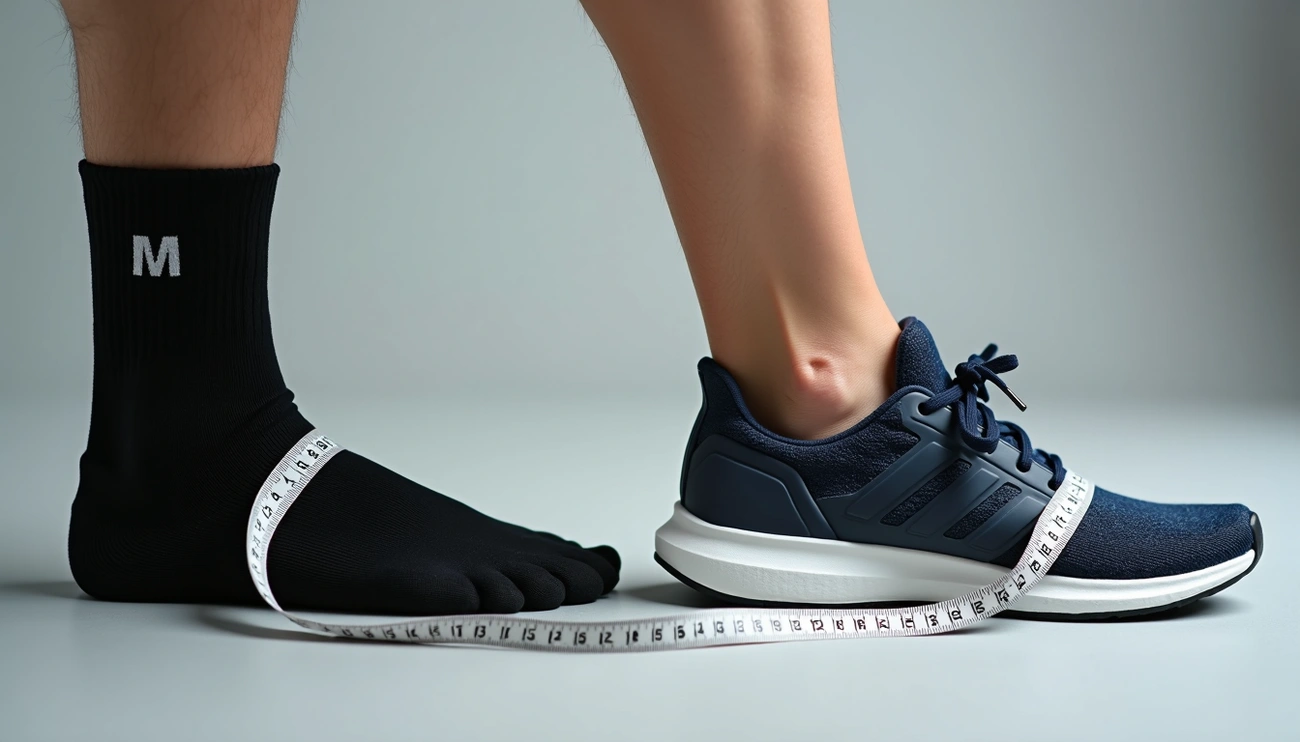
Finding perfectly fitting toe socks can be tricky. If too large, excess fabric at the toes causes discomfort; if too small, they may constrict circulation and restrict movement. Traditional sizing methods often fall short, especially for runners with wide feet who might need to size up. Furthermore, toe socks occupy more space in shoes due to the toe separation, potentially requiring different shoe sizing. Since most stores prohibit trying on socks for sanitary reasons, purchasing becomes somewhat of a gamble.
Longer time to put on
The process of fitting each toe into its designated compartment requires patience. Although manufacturers claim toe socks only take “a few extra seconds” to put on, many runners—particularly beginners—report spending up to five minutes on this task. Nevertheless, the process becomes more efficient with practice as your fingers develop muscle memory for the technique.
Higher cost compared to regular socks
Toe socks typically cost more than conventional running socks. This price premium stems from their complex construction requiring additional fabric and intricate manufacturing techniques. Although the investment may prevent blisters and discomfort, the higher price point remains a consideration for budget-conscious runners.
May not suit all foot shapes or preferences
First-time wearers often notice the unusual sensation between their toes—a feeling that eventually fades once you start moving. The required elasticity for toe compartments often necessitates synthetic materials like polyester and elastane, which might not appeal to those preferring natural fibers. Finally, the complex manufacturing process requires specialized machinery that many suppliers don’t possess, limiting style and color options compared to traditional socks.
Conclusion
Toe socks certainly offer unique advantages that regular running socks simply cannot match. After testing these specialized socks extensively during my runs, I believe they deserve consideration for any runner’s gear collection. Most importantly, the blister prevention benefit alone makes them worth trying, especially for those who struggle with toe friction during longer runs.
Therefore, runners with specific foot issues like bunions or those seeking improved natural foot mechanics will likely find toe socks particularly beneficial. The enhanced toe separation allows feet to function as nature intended, which subsequently improves balance, proprioception, and overall running form.
Nevertheless, toe socks aren’t without their drawbacks. The higher price point, additional time needed to put them on, and potential fit issues might deter some runners. Additionally, the unusual sensation between toes takes time to get used to, though this feeling typically fades once you start moving.