Yes, you can wear loafers without socks for a classic warm-weather look, but wearing no-show liner socks is recommended. Invisible socks prevent odor, reduce sweat, avoid blisters, and protect leather loafers from moisture and bacteria buildup.
Can you wear loafers without socks?
The sockless loafer look has become one of the most debated topics in men’s fashion, dividing style enthusiasts into passionate camps. This seemingly simple question carries surprising weight in determining your overall style approach and comfort.
Why this question matters
The sockless debate extends beyond mere esthetics—it touches on personal style, comfort, hygiene, and even cultural norms. For many, the decision reflects their broader fashion philosophy: traditional formality versus modern casual trends.
Primarily, this question matters because wearing loafers without socks makes a deliberate style statement. The sockless look has strong associations with Italian sprezzatura (studied carelessness) and preppy American style, both of which have influenced modern fashion considerably. Moreover, the casual elegance of bare ankles with loafers signals confidence and seasonal awareness.
Secondly, the question has practical implications. Going sockless affects both foot health and the longevity of your expensive leather shoes—something worth considering before embracing the trend.
Lastly, as dress codes continue evolving, understanding when sockless loafers are appropriate becomes increasingly relevant. The rules aren’t always clear-cut, leaving many wondering if they’re making a fashion-forward choice or a potential faux pas.
The short answer: yes, but with caveats
Yes, you absolutely can wear loafers without socks—but context matters tremendously. As Brendon Babenzien, founder of Noah and J.Crew’s men’s creative director, notes: “For me sockless is okay but in, like, a very narrow, specific way. The context is very much, where are you going? What are you wearing? What’s your day?”
Here are the essential caveats to consider:
First, occasion dictates appropriateness. Casual settings generally welcome the sockless look, while formal environments often demand socks. Going sockless with a suit remains controversial—Nick English, editor of Stridewise, cautions: “To a lot of people, it’s already controversial to wear loafers with a suit at all. So to suggest going sockless while you do it is a whole extra layer of controversy you should probably avoid.”
Second, consider practical factors. Climate plays a crucial role—warm weather makes sockless loafers more comfortable and appropriate. Conversely, cold weather practically demands socks for warmth and comfort.
Third, health and hygiene concerns shouldn’t be overlooked. Podiatrists generally recommend against truly barefoot loafer-wearing due to potential foot issues. As New Jersey podiatrist Dr. Josh Miller succinctly puts it, “a sock a day keeps the doctor away.”
Fourth, the impact on your shoes is significant. Leather loafers worn frequently without socks can develop premature damage from foot moisture. This is especially concerning with expensive Goodyear-welted loafers that represent a substantial investment.
Finally, there’s a generational dimension to consider. Younger generations appear to favor socks more consistently. As digital content creator Austin Chen (age 24) states: “I feel like going sockless is not only gross but also feels like a disservice to humanity. There’s something forbidden to me about having straight foot-to-shoe contact.”
The sockless question ultimately comes down to balancing style preferences with practical considerations. Nonetheless, for those determined to achieve the sockless esthetic, alternatives like no-show socks offer a compelling compromise that we’ll explore in later sections.
When it’s okay to go sockless
Knowing exactly when to embrace the sockless loafer look makes all the difference between pulling off a stylish statement and committing a fashion misstep. Despite the ongoing debate, certain situations clearly favor going barefoot in your favorite loafers.
Warm weather and breathable loafers
Summer months naturally invite sockless styling. When temperatures climb above 70°F (21°C), ditching socks becomes both a practical choice and a seasonally appropriate style move. During warmer seasons, the sockless look helps prevent overheating while projecting that coveted relaxed summer vibe.
Yet even in warm weather, material selection remains critical. Not all loafers perform equally well without socks. Opt for:
- Unlined suede loafers – They naturally absorb moisture and offer superior breathability
- Canvas loafers – Lightweight and inherently airy
- Perforated leather styles – Allow for airflow while maintaining a polished appearance
Additionally, consider the construction of your loafers. Those with natural materials for insoles (like leather or cork) typically manage moisture better than synthetic alternatives. Loafers with cushioned footbeds often include antimicrobial properties that reduce odor-causing bacteria—a significant benefit when going sockless.
Casual settings and relaxed outfits
Context matters tremendously when deciding to skip socks. The sockless look thrives in casual environments where relaxed dress codes prevail. Think weekend brunches, beach outings, casual dinners, or social gatherings where comfort and personal style take precedence over strict formality.
Outfit coordination plays an equally important role. The sockless esthetic pairs wonderfully with:
- Shorts and a polo or linen shirt for classic summer style
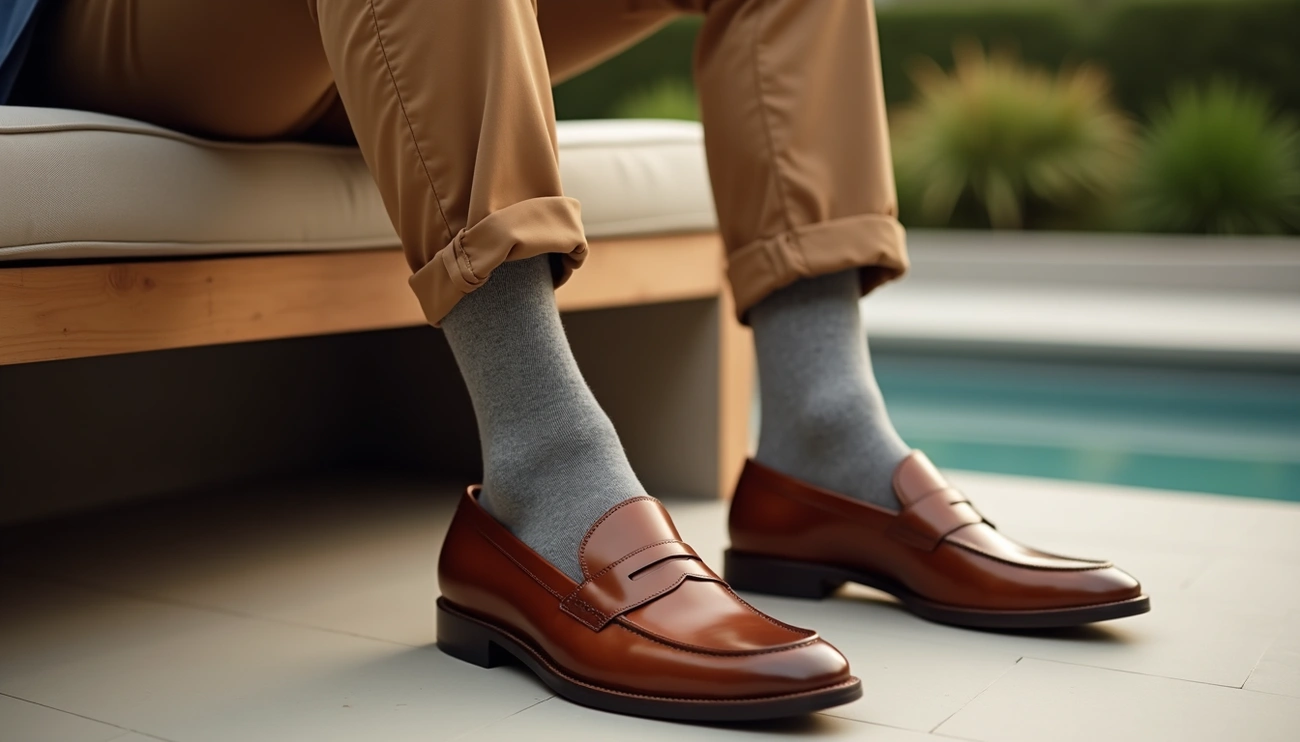
- Chinos or jeans with rolled or cropped hems that showcase the ankle
- Linen trousers or other lightweight summer pants
Remember that sockless loafers create a deliberate style statement—one that signals casual confidence. This look works particularly well with European-inspired outfits that embrace the Mediterranean sensibility of relaxed sophistication.
For instance, tan penny loafers without socks alongside cream chinos and a navy linen shirt create a timeless summer ensemble. Similarly, brown suede tassel loafers worn sockless with olive shorts and a white button-down offer effortless warm-weather style.
Short outings or low-activity days
Practical considerations should guide your decision to go sockless as well. The sockless look is most appropriate for occasions involving minimal walking or standing. Short shopping trips, dinner dates, or casual meetings where you’ll primarily be seated work perfectly for sockless loafers.
Conversely, days filled with extensive walking, tourism, or physical activity call for proper sock protection. Without this barrier, extended wear often leads to uncomfortable friction, potential blisters, and excessive moisture buildup that damages both your feet and your shoes.
Time considerations matter too. A few hours without socks poses little risk, particularly with well-broken-in loafers that conform comfortably to your feet. However, all-day sockless wear tests even the most resilient feet and finest loafers.
Furthermore, consider your personal foot characteristics. Individuals with naturally drier feet typically experience fewer issues with the sockless approach than those prone to perspiration. Similarly, if you’ve established a good foot care routine including regular exfoliation and moisturizing, your sockless experience will likely prove more comfortable.
Ultimately, the sockless loafer look works best as a deliberate style choice for specific situations rather than an everyday approach. By reserving it for appropriate weather conditions, casual settings, and limited wear times, you can enjoy the esthetic benefits while minimizing the potential drawbacks.
When you should wear socks with loafers
Contrary to some fashion trends, there are specific circumstances where pairing socks with your loafers isn’t merely an option—it’s a necessity. Even as the sockless look gains popularity, knowing when to opt for proper sock coverage remains essential for comfort, professionalism, and foot health.
Formal events and professional settings
Professional environments typically demand socks with loafers, regardless of seasonal trends. In workplaces with formal dress codes, socks are considered an essential element of a polished appearance. Consequently, wearing socks creates a more professional look, which is particularly important if you’re aiming to make a positive impression.
For ceremonies, official events, or business meetings, traditional etiquette calls for knee-high, thin socks that discreetly follow the trouser line. These socks add a touch of understated elegance while maintaining professional standards. In formal work environments where appearance plays a key role, avoiding short socks prevents you from appearing too casual or inattentive to detail.
Since quality matters in professional settings, consider investing in dress socks made from fine, high-quality materials in neutral tones. Though potentially more expensive, the long-term payoff is worthwhile as these socks maintain a polished, professional appearance. For maximum professionalism, ensure your socks are long enough to avoid exposing skin when seated.
Cold weather and long wear times
Winter months naturally call for sock protection. During colder seasons, socks provide essential warmth and comfort that the sockless look simply can’t deliver. In fall or winter, cotton or wool socks add necessary warmth that prevents your feet from getting cold in leather loafers.
Beyond temperature concerns, extended wear times benefit greatly from proper sock coverage. For all-day events or situations requiring significant walking, socks provide crucial protection against friction. They create a protective barrier between your foot and shoe, preventing the material from rubbing directly on your skin.
Sock tights offer another practical solution for wearing loafers throughout colder days. These versatile accessories function as the perfect barrier to protect feet from blisters, primarily if your loafers still need to be broken in before becoming truly comfortable.
To prevent odor and blisters
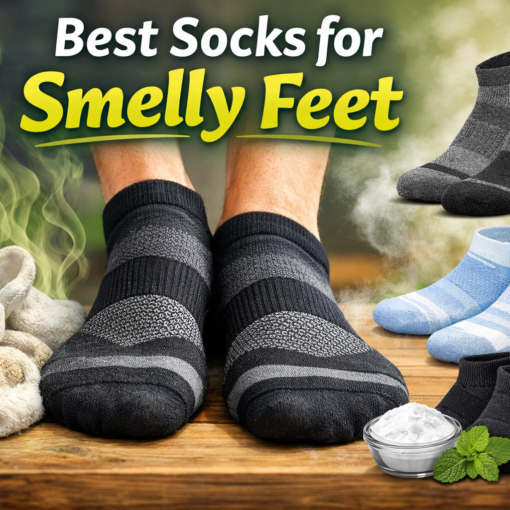
Perhaps the most compelling reason to wear socks with loafers relates to hygiene and comfort. Socks serve as effective barriers against moisture buildup, which leads to both odor and potential foot health issues. Without this protection, your feet will still produce sweat throughout the day, causing bacteria to multiply and creating unpleasant odors.
From a practical perspective, socks help:
- Keep sweat and moisture at bay in humid weather
- Prevent mold from growing inside loafers
- Extend the life and wear time of your shoes
- Reduce the risk of developing painful blisters
Even if you prefer a more contemporary look, no-show socks offer a practical compromise. These invisible liners protect your feet and shoes from sweat and odor while maintaining the appearance of bare ankles. This approach provides the best of both worlds—the stylish sockless esthetic without sacrificing comfort or hygiene.
Regardless of your style preferences, wearing socks with loafers ultimately protects both your feet and your investment in quality footwear. This practical choice helps preserve your shoes’ interior condition while ensuring your comfort throughout the day.
Best alternatives to going fully sockless
Looking for the perfect compromise between style and comfort? The sockless debate doesn’t have to be all-or-nothing. Instead, modern solutions offer the visual appeal of bare ankles while providing essential protection for both feet and footwear.
No-show socks for a clean look
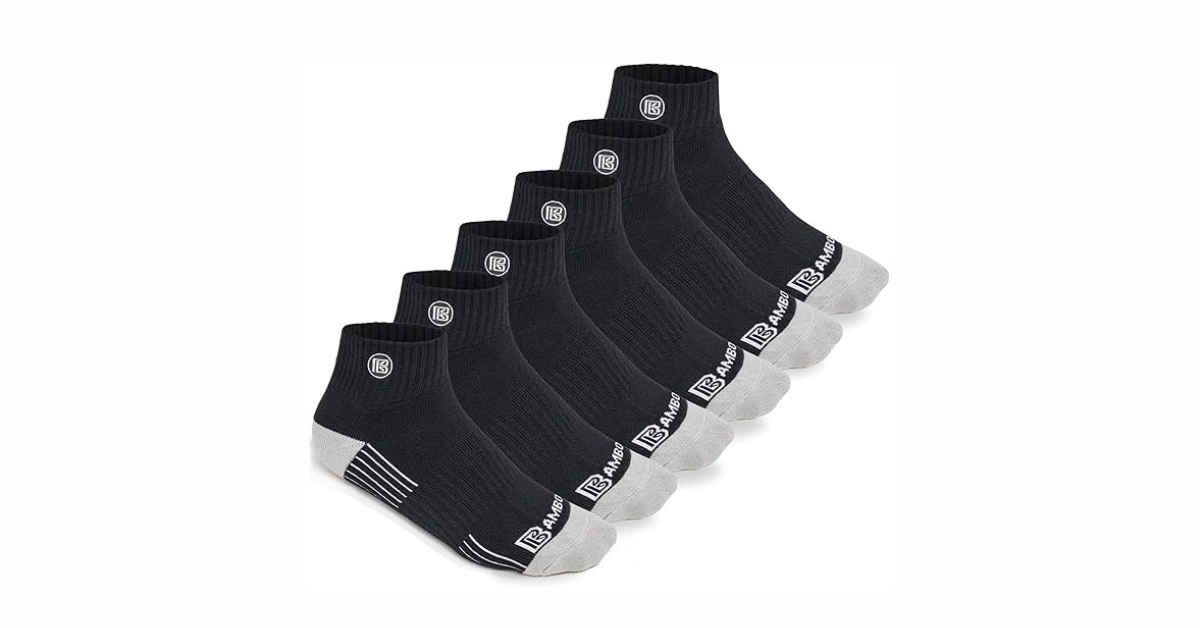
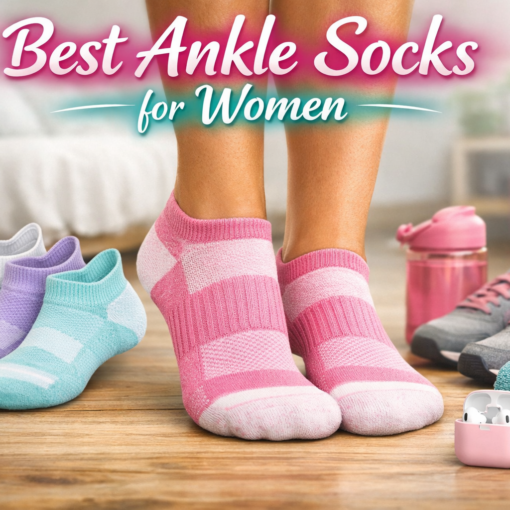
No-show socks have revolutionized the loafer game by offering that coveted sockless esthetic without sacrificing comfort. These specially designed socks sit low enough to remain completely hidden inside your loafers while covering just enough of your foot to provide protection.
Quality no-shows feature a U-shaped heel cut that contours perfectly to your foot along with silicone heel grips that prevent them from sliding down—a common complaint with cheaper options. The best designs include double-layered toes to prevent holes and extended durability through multiple wash cycles.
What separates loafer-specific no-shows from regular no-show socks? It’s all in the cut. Loafer socks have an ultra-low profile specifically designed for the lower vamp of loafers, making them truly invisible even with the lowest-cut shoes.
Invisible liners for comfort
For those seeking the absolute minimum coverage, invisible liners offer an even more minimal approach. These ultra-thin, almost stocking-like options provide the slimmest profile available, creating virtually no bulk inside your shoes.
Traditionally called “loafer liners,” these ultra-thin socks prioritize discretion above all else. The tradeoff comes in durability—many ultra-thin options wear out faster than their slightly thicker counterparts. Furthermore, without proper grip technology, some liners suffer from the dreaded “slip factor” that sends them bunching under your heel mid-stride.
Modern liners incorporate advanced materials that maximize comfort despite their minimal profile. The best options feature breathable zones and moisture-wicking properties that keep feet fresh even after all-day wear.
Sock fabrics that work well with loafers
Material selection makes a tremendous difference in comfort when wearing low-profile socks with loafers:
- Cotton blends: Provide breathability and softness against the skin while adding just enough stretch to maintain shape
- Merino wool: Offers temperature regulation (maintaining 98.6°F) and superior moisture-wicking properties
- Bamboo fiber: Delivers natural antimicrobial properties while feeling softer than traditional cotton
The ideal no-show sock typically incorporates at least three different materials, balancing comfort, grip, and durability. This combination usually includes natural fibers for breathability, synthetic elements for stretch, and specialized materials for moisture control.
When selecting alternatives to going fully sockless, prioritize options with antimicrobial treatments that fight odor-causing bacteria—essential for maintaining freshness throughout extended wear.
How to style loafers without socks
Mastering the sockless loafer style hinges on thoughtful execution rather than simply removing your socks. The visual appeal comes from creating intentional, balanced proportions between your pants and shoes.
Pairing with cropped pants or rolled hems
The key to nailing the sockless loafer look lies in showcasing just the right amount of ankle. Cropped pants should reveal approximately 1-2 inches of skin between hem and shoe, creating clean lines that visually elongate your silhouette. For a more casual approach, rolled jeans work beautifully with loafers—but limit yourself to two rolls maximum as anything more appears forced. The cut of your pants dramatically influences the overall effect; too long and your loafers disappear under excess fabric, too short and you’ll look like you’ve outgrown your clothes.
Choosing the right loafer material
Different loafer materials suit different occasions. For formal settings like presentations or dinners, polished leather loafers paired with tailored trousers create a sophisticated look. Conversely, suede loafers excel in casual environments, perfectly complementing rolled jeans or shorts for that effortless preppy style. Material selection becomes particularly important when going sockless—unlined suede offers superior breathability, while natural calfskin linings absorb moisture and keep feet cool. Opt for lightweight leather soles with non-slip inserts or flexible constructions for maximum comfort.
Avoiding common fashion mistakes
Common sockless loafer pitfalls include wearing baggy or oversized bottoms which clash with the slim silhouette of most loafers. Maintain fitted, well-proportioned pants with minimal break at the shoes. Furthermore, avoid excessively long, wide-leg pants that hide your footwear completely. When using no-show socks, ensure they remain truly invisible—check in a mirror before leaving home, shifting ankles side to side to verify no fabric peeks out. Match sock color to your shoes for added stealth, particularly with low-cut styles.
Conclusion
The great sockless debate ultimately comes down to balance and context. Whether you choose to wear loafers with or without socks depends on several factors including the occasion, weather, and your personal comfort preferences. Casual outings and warm weather certainly allow for the sockless esthetic, especially with breathable loafer materials like unlined suede or canvas.
Formal events and professional settings, however, demand proper sock coverage. This approach not only shows respect for traditional dress codes but also protects your feet from blisters and odor during extended wear periods. Your expensive loafers will thank you too, as socks prevent premature interior damage from foot moisture.