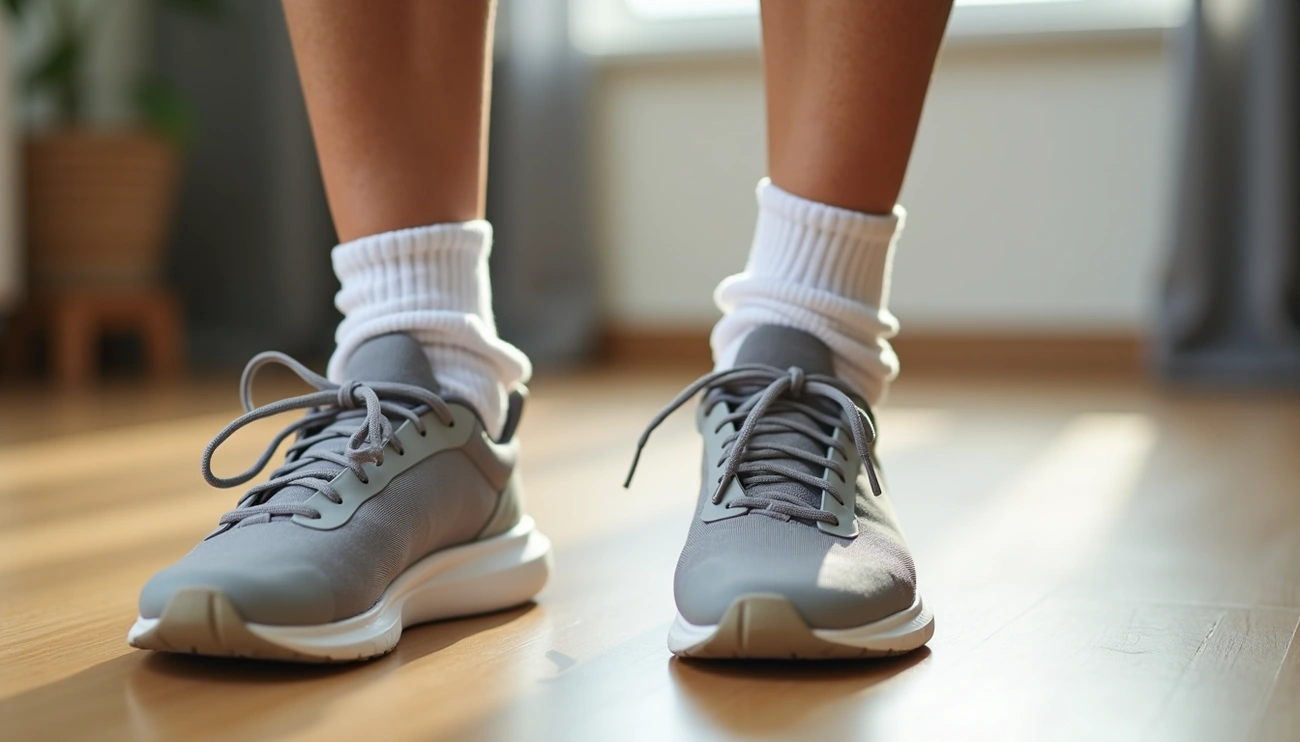
Socks keep falling down due to stretched or weak elastic, incorrect sizing, or improper length. Socks that are too large or mid-calf styles worn incorrectly slip during movement. Poor-quality fabric and friction from walking increase slippage, while mismatched socks and footwear reduce grip and stability.
Why Do My Socks Keep Falling Down in My Shoes
Identifying the root cause separates quick fixes from permanent solutions. Most sock slippage stems from four distinct problems that work alone or combine to create frustration.
Wrong Sock Type for Your Shoes
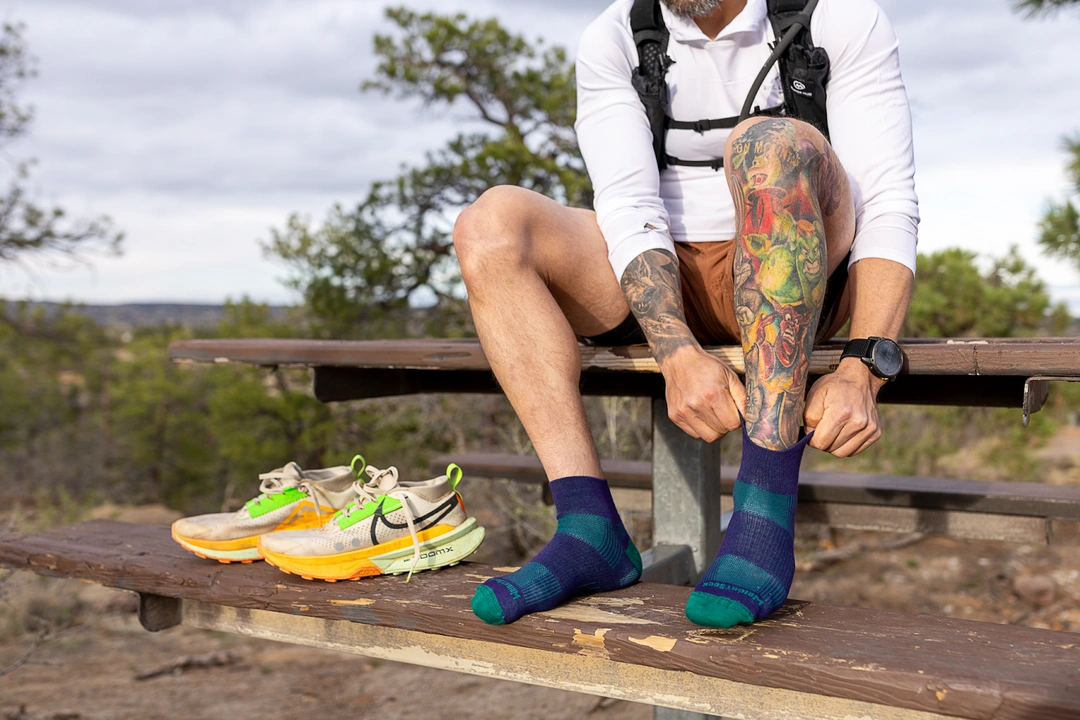
Thin dress socks, ankle socks, or socks made with smooth materials lack the structure and grip needed to stay up inside taller, heavier boots. The height of your socks plays a critical role. Ankle socks won’t stay up above the boot line, while crew socks might work for shorter boots but fail with standard work or hiking boots. Boot socks or mid-calf socks provide the necessary coverage.
Material selection matters more than you’d think. Cotton absorbs moisture and loses shape when wet, contributing to slippage. In similar fashion, merino wool or synthetic blends like nylon, polyester, and spandex hold their shape better, manage moisture, and provide superior grip against boot lining.
Poor Sock Fit and Sizing Issues
Socks that are too large create excess material that bunches and slides down. Socks that are too small overstretch, losing their elasticity and grip. The heel fit serves as your primary indicator: if the sock heel pulls up onto your Achilles tendon, it’s too small; if it sags below your heel, it’s too big. An ill-fitting heel pocket causes the entire sock to shift during movement.
Worn Out Elastic and Old Socks
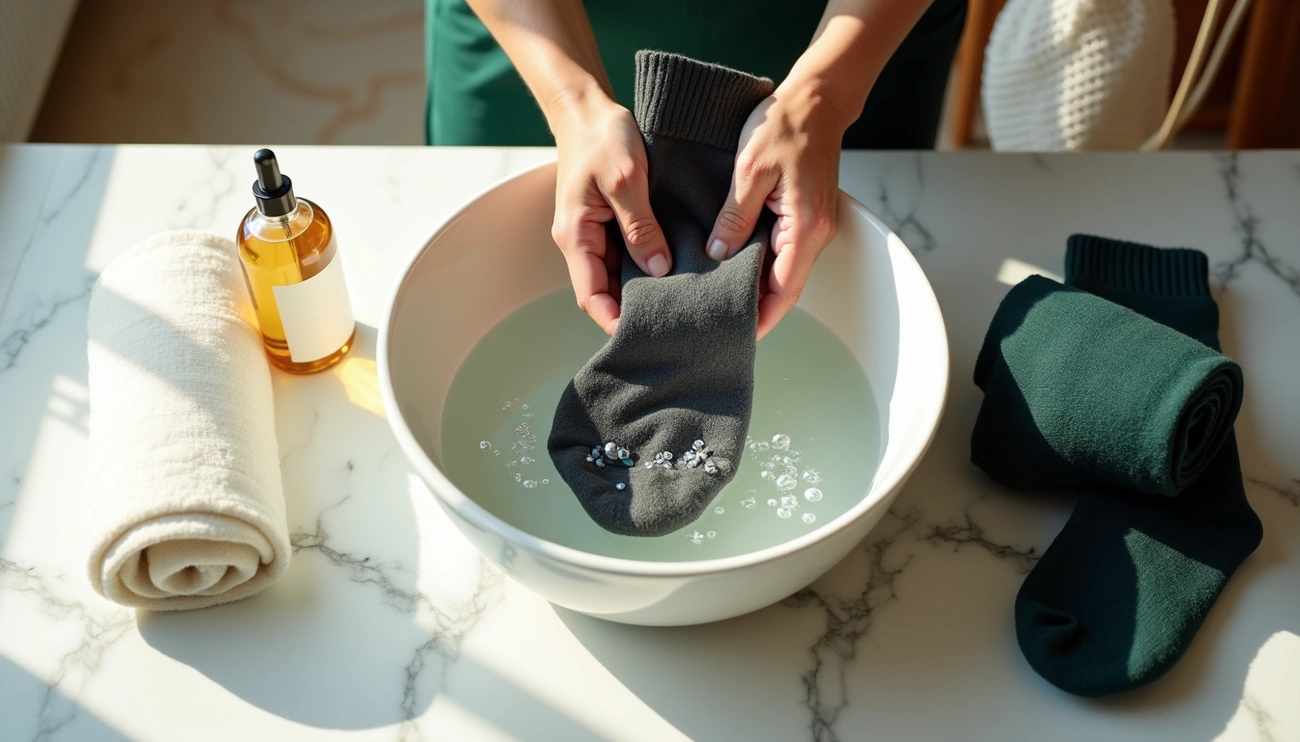
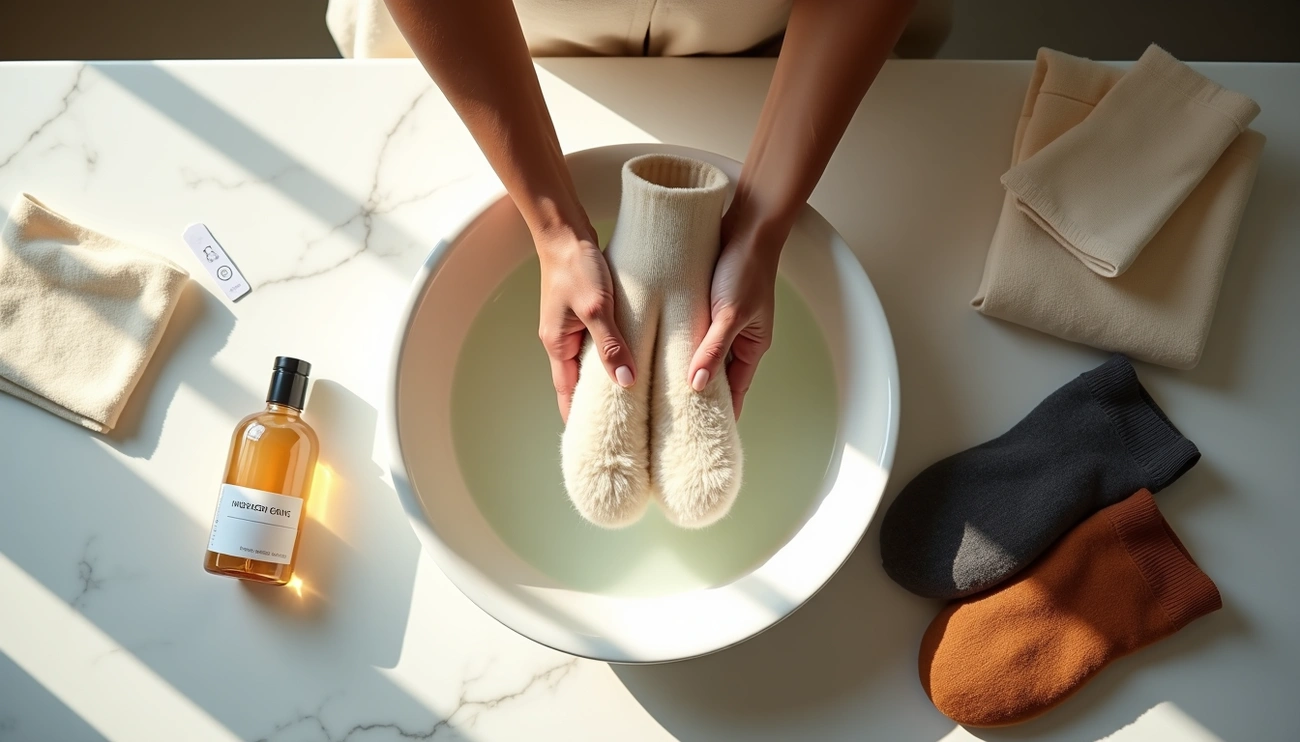
Elastic fibers degrade with use and washing. According to textile engineers at the American Association of Textile Chemists and Colorists, elastane begins to degrade significantly after 30-50 wash cycles, especially when exposed to chlorine or high pH detergents. Stretched-out elastic reduces the sock’s ability to grip your leg and stay positioned.
Shoe Fit Problems
Boots or shoes that are too large allow your entire foot to slide around inside. This constant movement, particularly heel slippage, exerts a downward force on your socks, pulling them off your calf. When your heel lifts significantly off the insole with each step, it rubs against the back of the sock, pulling it down. Coupled with smooth boot linings that offer less friction, the sock has minimal resistance to hold its position.
How to Stop Socks from Sliding Down: Choosing the Right Socks
Selecting the right socks solves most slippage problems before they start. Quality construction and proper design features make the difference between socks that stay put and ones that constantly need adjustment.
Look for Socks with Proper Length
Match your sock height to your footwear. Over-the-calf socks reach just below your knee and stay put reliably. Mid-calf socks work for business casual but may slide down during extended wear. Crew socks remain the standard option for sneakers and athletic shoes. For low-cut shoes like loafers or flats, no-show socks with tab features prevent sliding better than standard no-shows. Tab socks include an extra tab to protect your heel and keep the sock anchored.
Check the Elastic Quality and Placement
High-quality socks need at least 10% elastane for proper stretch and hold. Premium elastics retain 95% recovery after 200 wash cycles, while budget options sag by cycle fifteen. Look for reinforced elastic cuffs that feel firm but soft. Socks with elastic around the arch create a secure fit that prevents slipping at your top pace. The elastic should provide gentle tension without constricting circulation.
Select Socks with Grip Features
A deep heel pocket with a five-point heel stitch prevents slipping more effectively than standard Y-stitch designs. Silicone heel grips work best when they’re large, flat, and circular rather than three smaller strips. Elastic arch support conforms to your foot and leaves no gap under the arch, providing a snug fit. Some socks include silicone dots or rubber paneling across the sole for additional grip.
Choose the Right Material for Your Activity
Merino wool offers warmth, breathability, and moisture-wicking properties while staying naturally antibacterial. Synthetic materials like polyester and nylon dry faster and cost less but may retain odors. Bamboo or merino wool blends provide durability and elasticity for secure fits. Cotton retains moisture and takes too long to dry, making it unsuitable for active wear.
Shoe-Related Solutions to Keep Socks from Falling Down
Your footwear plays an equally critical role in preventing socks keep falling down. Addressing shoe-related factors often solves persistent slippage issues that better socks alone can’t fix.
Ensure Your Shoes Fit Properly
Shoes that are too loose allow your foot to slide around inside, creating friction that pulls socks down. By the same token, overly tight shoes create pressure that forces socks to slide. Test the fit with your index finger between your heel and the shoe’s heel counter; it should fit snugly without excessive tightness or looseness. Look for shoes with a secure heel cup and ample cushioning to hold your feet in place. Break in new shoes gradually, wearing thick socks during the initial period to reduce friction.
Adjust Your Lacing Technique
Lacing affects how securely your foot stays positioned. The heel lock or runner’s loop method prevents heel slippage by creating extra tension around your ankle. Thread your laces through the second-to-last eyelet, then into the last eyelet on the same side to create a loop. Run the free end under the opposite loop and tighten. This technique distributes pressure evenly, reducing movement that causes socks to slip.
Add Insoles or Heel Grips
Heel grips fill excess space in the heel area. The Pedag Stop Heel Grip measures approximately 1.5 inches high by 4 inches long with self-adhesive backing. Made of padded genuine suede leather, these grips absorb moisture while preventing slippage. Insoles customize fit and provide additional cushioning, reducing friction and movement.
Consider the Shoe Lining Material
Smooth shoe linings offer less friction, allowing socks to slide more easily. Textured or suede linings provide better grip against sock fabric, helping maintain position during movement.
Quick Fixes and Additional Methods
Sometimes you need immediate solutions beyond sock selection and shoe adjustments. These alternative methods offer additional security when standard approaches fall short.
Use Sock Adhesives or Glue
Sock glue provides a reliable solution for keeping socks in place. “It Stays!” is a roll-on body adhesive that washes off with water, leaving no stain. The product contains glycerin USP, isopropyl alcohol, potassium sorbate, and vinyl acetate. Users report success keeping thigh-high socks up all day without slipping. Apply it by folding down your sock top, creating a band around your leg, then pulling the sock back up. The adhesive smells slightly sweet when dry and feels pliable against skin.
Try Sock Garters for Dress Socks
Sock garters used to be as common as socks themselves but fell out of style with modern elastic technology. These accessories use clip attachments worn around your calf area below the knee. Sock garters prevent the unprofessional appearance of constantly pulling up dress socks during business meetings. They work particularly well for men who walk extensively at work or navigate stairs frequently.
Fold Your Sock Cuffs
Pull your socks up fully, lace your shoes tight, then fold the sock tops down over the shoe opening. This 90s-style technique creates a physical barrier preventing downward slippage.
Maintain Your Socks and Shoes Properly
Rotate your shoes to prevent excessive dampness and bacteria buildup. Clean and air your footwear regularly, just as you would clothing. Use anti-fungal sprays or powders to maintain freshness. Proper maintenance extends both sock and shoe lifespan while reducing slippage caused by deteriorated materials.
Conclusion
Falling socks stem from preventable issues like poor fit, weak elastic, or incompatible shoe pairings. As a matter of fact, choosing the right sock height, quality materials, and proper elastic placement solves most problems immediately. Combine these choices with well-fitted shoes, strategic lacing, and occasional quick fixes like sock glue or garters when needed. Start by evaluating your current sock collection and footwear fit, then apply these solutions to end the constant adjustments for good.