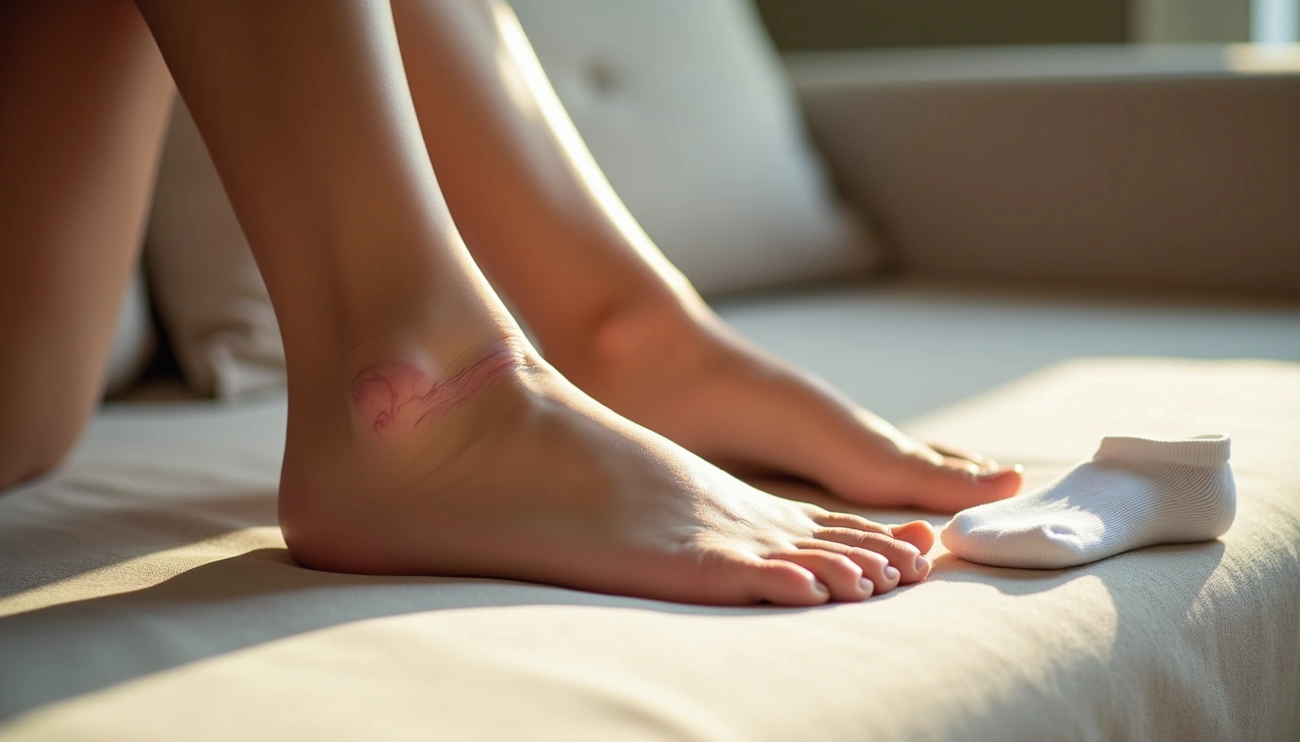
Socks leave marks due to elastic cuffs pressing into skin, especially when socks fit too tight or stay on for 8–12 hours. Mild indentations are common and harmless. Deep, painful marks with swelling may signal fluid retention, poor circulation, or conditions like high blood pressure or kidney issues.
What Causes Socks to Leave Marks on Your Legs?

The skin on your lower legs is soft and compresses easily. When socks press against it for several hours, they temporarily indent the surface. That indentation becomes visible once you remove the socks. Most of the time, the mark disappears within minutes. However, if mild swelling exists in your legs, the pressure from the sock compresses fluid in the tissue, leaving deeper impressions that take longer to fade.
Tight elastic bands in socks
The most common reason for sock marks is a snug cuff that compresses the skin. Socks contain elastic to keep them from slipping down. This elastic band creates pressure on your skin, leaving a mark. Some socks have firmer elastic bands that dig in more, especially after long wear. The pressure from tight-fitting fabric can compress the skin and displace the fluid underneath, leaving temporary indentations.
Peripheral edema and fluid retention
Peripheral edema occurs when extra fluid builds up in lower-leg tissues. This condition causes fluid to accumulate in the tissues of your lower legs and ankles. When fluid accumulates, tissue pressure rises and sock cuffs leave clearer lines. The swelling makes your skin more sensitive and easier to indent, so the same sock cuff leaves deeper marks.
Fluid retention can increase sock marks and is often influenced by high sodium intake, long periods of inactivity, heat, and sometimes medications. Eating lots of salt makes your body retain water, leading to peripheral edema, which may cause more noticeable sock marks the next evening. Due to this fluid buildup, the pressure from socks compresses fluid in the tissue rather than just the skin itself.
Extended sitting or standing
Staying in one position for long hours significantly affects circulation. When you stand or sit for extended periods throughout the day, gravity pulls blood into your legs. The increased pressure pushes fluid from the blood vessel into the soft tissue, causing mild swelling. As a result, sock marks become more pronounced at the end of the day and are typically worse in the evening.
The calf muscles act like small pumps that push blood upward. When your legs remain still for long hours, that pumping action slows down. Modern work routines make this worse. Desk jobs, long commutes, and reduced daily movement slow down circulation in the lower body. Research on leg edema has shown that reduced muscle movement can significantly contribute to fluid accumulation in the legs.
Heat and dehydration factors
Peripheral edema often occurs in hot weather. Heat causes your blood vessels to open wider, so more blood pools in your legs. If fluid leaks into the tissue, edema develops. Hot weather causes your blood vessels to dilate and fluid to leak out of your veins, leading to slight swelling in the legs. Similarly, humidity can affect how much fluid your body retains. In hot conditions, your body holds onto more water to stay hydrated, which can make leg swelling worse.
When Should I Be Worried About Sock Marks?
Not all sock indentations indicate a problem. Temporary marks from prolonged standing or sitting are common and usually harmless. The key difference lies in how long these marks last, their depth, and whether other symptoms accompany them.
Harmless sock marks vs concerning signs
Harmless sock marks are light in appearance, don’t cause discomfort, and disappear within an hour. These marks typically fade within minutes to an hour after removing your socks. If marks appear lightly and vanish quickly, there’s no need for concern.
In contrast, concerning signs include marks that last several hours or longer, appear deep or painful, and occur alongside heavy, tight, or swollen legs. When sock marks persist and come with additional symptoms, they could indicate deeper issues. The pattern matters more than the marks themselves. Wearing tight socks will naturally leave marks, but what requires attention is the persistence and whether other symptoms appear alongside them.
Duration: How long should it take for sock marks to go away
In a healthy person, sock marks should fade within 15 minutes to an hour. Normal marks usually disappear within 10 to 30 minutes after removing socks or shoes. If lines fade within this timeframe, it’s often just compression.
Marks may last longer if the socks were overly tight, you’ve been wearing them for an extended period, or your skin is particularly sensitive. However, if marks remain for hours and repeat daily, your body is more likely retaining fluid or your footwear fit is consistently too tight. Deep indentations that linger longer than a few hours after removing socks might warrant investigation.
Two quick checks can help determine whether you’re seeing normal pressure or something requiring attention. The press test involves pressing your thumb into the skin just above the ankle for about 5 seconds, then releasing. If the skin springs back right away, that’s usually simple pressure. If you see a lasting dent that stays visible, that can indicate pitting edema, a sign of fluid in the tissue.
Symptoms that require medical attention
Several warning signs suggest when should i be worried about sock marks. Seek medical advice if indentations are deep and last more than an hour, if skin around the marks is discolored (red, brown, or blue), swollen, painful, or warm to the touch.
Pay attention when marks appear with swelling, heaviness of the legs, skin discoloration, and discomfort. Swelling in only one leg, sudden pain, or redness should be assessed quickly because these symptoms can sometimes signal more serious vascular conditions.
Red flags include swelling on one leg that appears suddenly, especially with pain, warmth, or redness. Significant swelling together with shortness of breath or chest pain requires urgent care. Other concerning symptoms include chest pain, dizziness or fainting, shortness of breath (especially when lying flat), little urine production, abdominal swelling, abdominal pain, or sudden high blood pressure during pregnancy.
Underlying conditions linked to persistent marks
Persistent sock marks accompanied by other symptoms may signal circulation problems, fluid retention, or early symptoms of conditions such as venous insufficiency or lymphatic blockage. One patient noticed deep, persistent marks on her lower legs, which led her doctor to diagnose early-stage heart failure.
When your heart, kidneys, or liver aren’t functioning optimally, fluid management in your body suffers, resulting in noticeable swelling in the legs. Individuals who spend long hours sitting, standing, have a sedentary lifestyle, are overweight, or suffer from heart diseases, renal diseases, and diabetes may experience this condition.
Medical Conditions That Can Cause Sock Marks
Several medical conditions can make socks leaving marks on legs more pronounced and persistent. When sock marks on legs don’t fade quickly or appear alongside other symptoms, specific health issues may be at play.
Chronic venous insufficiency
Chronic venous insufficiency occurs when valves in your leg veins weaken and fail to push blood back toward the heart efficiently. These one-way valves normally prevent blood from flowing backward, but when damaged, blood pools in the lower legs. This pooling increases pressure inside the veins, forcing fluid into surrounding tissue.
Approximately 150,000 Americans receive a chronic venous insufficiency diagnosis each year. Consequently, this condition stands as the most common cause of peripheral edema in people over 50. Symptoms include persistent leg swelling, aching or heavy legs (especially after standing), varicose veins, itching, and brownish or reddish skin discoloration near the ankles. Left untreated, CVI can lead to venous ulcers and increases the risk of blood clot formation.
Lymphedema
Lymphedema develops when the lymphatic system becomes damaged and cannot drain lymph fluid properly. This chronic condition causes fluid to accumulate in body tissues, creating swelling that feels firm to the touch. The swelling typically affects legs or arms and may include a feeling of heaviness or tightness, restricted range of motion, recurring skin infections, and skin that hardens or thickens over time. Being overweight raises the risk, as does cancer treatment, infection, or injury to the lymphatic system.
Heart, kidney, or liver disease
Heart failure weakens the heart’s ability to pump blood efficiently. Blood flow from the heart slows, causing blood to accumulate in the veins. This buildup forces fluid into surrounding tissue, creating swelling in the legs and abdomen. Additional symptoms include shortness of breath, fatigue, rapid weight gain, and swollen ankles.
More than 37 million people in the United States have kidney disease, with many unaware of their condition. When kidneys fail to filter sodium and water effectively, fluid builds up in tissues, particularly in the legs and around the eyes. You might notice changes in urination (foamy, dark, or decreased output), muscle cramps, and facial swelling.
Liver disease, specifically cirrhosis from conditions like hepatitis or alcoholism, scars the liver and restricts blood flow through this organ. Blood backs up into the lower body, accumulating in the abdomen and legs. Coupled with leg swelling, you may develop jaundice (yellowing of skin and eyes), abdominal pain, nausea, and easy bruising.
Deep vein thrombosis (DVT)
Deep vein thrombosis forms when a blood clot develops in a deep vein, usually in the leg. As many as 900,000 Americans may be affected by DVT each year, with up to 100,000 deaths from pulmonary embolism when clots break free and travel to the lungs. DVT presents with sudden swelling (typically in one leg), pain described as a cramp or charley horse, warmth and redness in the affected area, and tenderness along the vein. This condition requires immediate medical attention due to its life-threatening potential.
How to Prevent Socks Leaving Marks on Legs

Preventing sock marks on legs requires a combination of smart sock choices and lifestyle adjustments. Simple changes make a noticeable difference.
Choose the right sock fit and material
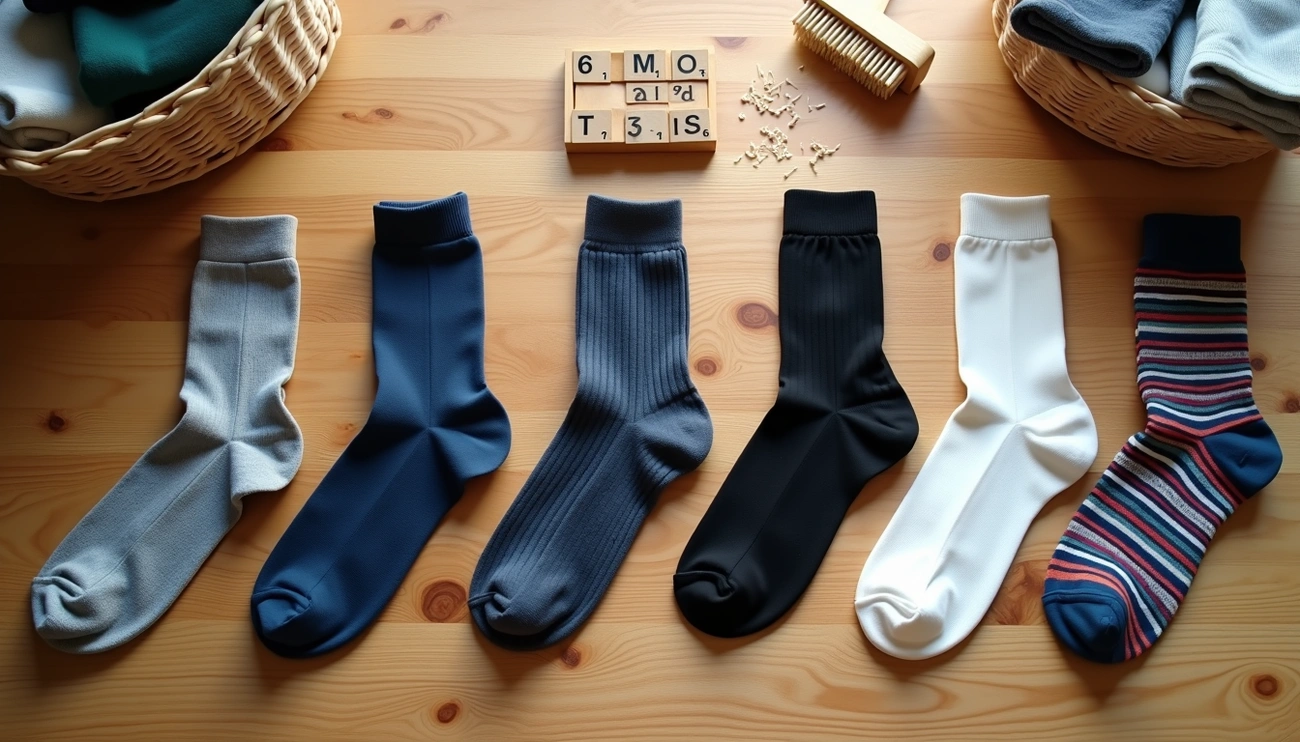
Opt for socks made from natural fibers like cotton or bamboo, which are breathable and gentle on the skin. These materials allow better air circulation, reducing the likelihood of marks. Pay attention to the sock’s elasticity. Socks with a gentle, non-restrictive band are ideal. Look for terms like “non-binding” or “diabetic-friendly” on the packaging, as these minimize pressure on your legs.
Size matters. Socks that are too small constrict your leg, while oversized ones bunch up and cause discomfort. Most sock brands provide a size chart based on shoe size, so check it before purchasing.
Wear non-binding or compression socks
Non-binding socks stay up without squeezing your legs. Instead of relying on tight elastic, they use gentle stretch and flexible fibers to provide a secure fit that doesn’t restrict circulation. These socks promote blood flow, reduce swelling, and enhance all-day comfort.
Compression socks work differently. They squeeze your legs, which helps blood vessels function better. Graduated compression stockings have the highest pressure at the ankle and gradually decrease up the leg. Wear compression socks when you first wake up and your legs are the least swollen.
Elevate your legs regularly
Raise your feet above heart level for 15-20 minutes. Gravity drains pooled fluid back where it belongs. Lie down and prop your legs on a pillow or cushion.
Stay hydrated and reduce sodium intake
Drinking enough water helps flush out excess salt. When you drink more water, your kidneys remove excess sodium through urine. Reducing sodium intake can significantly impact fluid retention.
Move frequently to improve circulation
Walking regularly activates calf muscles, which push blood back toward the heart. Take movement breaks to avoid sitting or standing for long periods. Even ankle circles or calf raises while sitting prevent fluid stagnation.
Home Remedies and Quick Fixes for Sock Indentation on Legs
After marks appear, several quick remedies help your skin recover faster and reduce their visibility.
Moisturize your skin
Apply a rich, emollient moisturizer immediately after peeling off your socks. Hydrated skin bounces back to its natural state more quickly. The moisturizer locks in moisture and soothes compressed tissue. Generously cover the marked areas and massage the product into your skin using gentle strokes.
Gentle massage techniques
Use your fingertips to apply light pressure around the indented area. Move in circular motions starting from your toes and working upward. This stimulates blood flow and helps disperse accumulated fluid. The massage not only reduces marks but also feels relaxing. Think of it as giving your lymphatic system a gentle nudge in the right direction.
Apply cold compress
Wrap ice cubes in a cloth or grab a cold gel pack. Press it gently against the sock marks for a few minutes. The cold constricts blood vessels and reduces swelling. Apply for 10-15 minutes using cool (not ice-cold) temperature. This provides immediate relief and helps skin return to normal appearance.
Adjust your daily routine
Prop your legs on a pillow for 15-20 minutes. Lie down with feet raised above heart level. Gravity drains pooled fluid backward. During work hours, take short breaks to flex your feet and perform ankle circles while sitting.
Conclusion
Sock marks are usually harmless and fade quickly on their own. The key is recognizing when they signal something more serious. If your marks disappear within an hour and you don’t have other symptoms, there’s typically no cause for concern. On account of persistent indentation paired with swelling or discomfort, we recommend consulting a healthcare provider to rule out underlying conditions.
For fear that you’ll continue dealing with stubborn sock marks, start by switching to non-binding socks and incorporating more movement into your daily routine. These simple adjustments can make a significant difference. Elevate your legs regularly, stay hydrated, and pay attention to what your body is telling you.