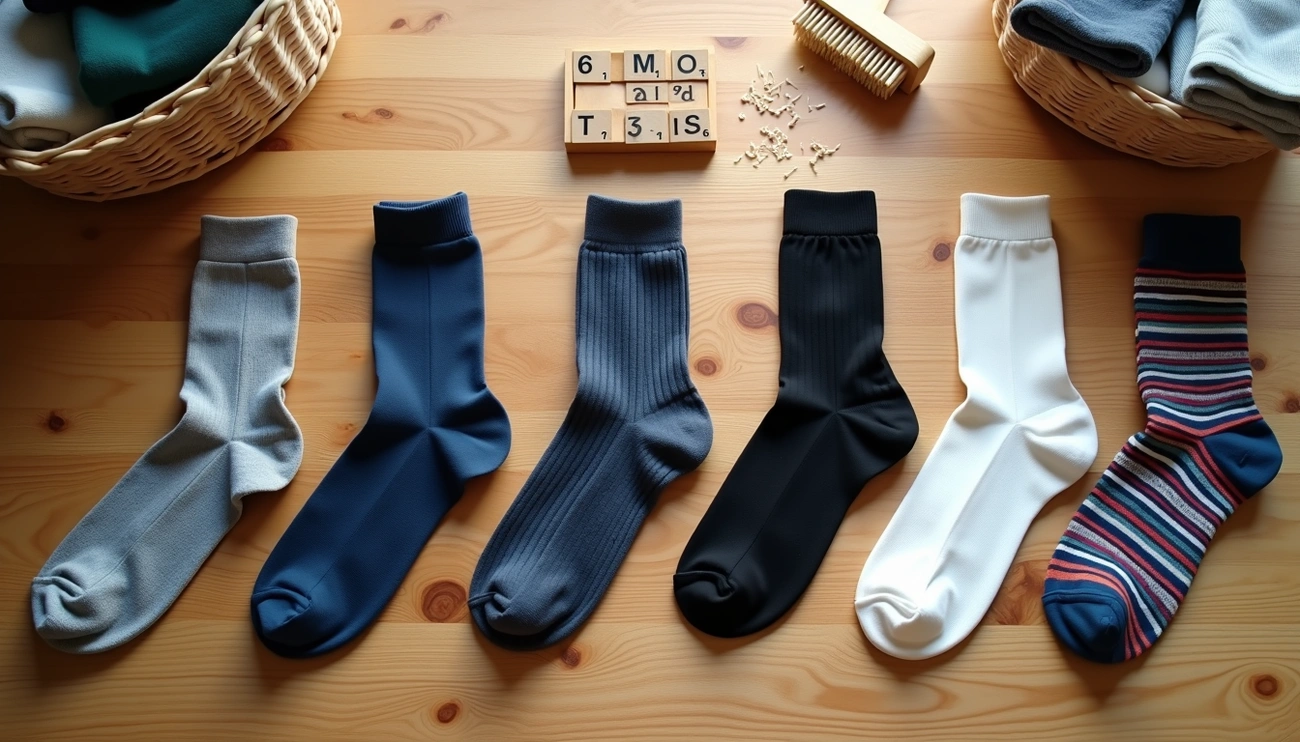
Replace socks every 6–12 months to maintain comfort, fit, and hygiene. Replace socks every 3–6 months with frequent or athletic use due to faster wear. Most performance socks lose cushioning and elasticity after 50 wash cycles, which reduces support and increases friction.
Why Sock Replacement Matters for Your Feet

Worn-out socks affect your feet in ways that go beyond simple discomfort. Sock fibers break down gradually through repeated washing, friction, and daily use. Elastic loosens, padding compresses, and seams lose their smoothness. These changes directly impact how your feet experience pressure and movement throughout the day.
Comfort and Proper Fit Over Time
Socks that no longer fit correctly create friction at key pressure points such as the heel, arch, and toes. Bunched fabric increases rubbing, which aggravates sensitive areas and contributes to soreness by the end of the day. Over time, this discomfort can evolve into a recurring foot problem.
Aging socks develop uneven elasticity where some areas stretch out while others become tight. Tight, worn cuffs can contribute to poor circulation by creating pressure around the ankle or calf. Unlike compression socks that apply controlled pressure, old socks apply uneven restriction that may worsen swelling or fatigue.
As sock fibers thin and seams deteriorate, they become rougher against the skin, leading to skin irritation, redness, and itching. For people with sensitive skin, old socks trigger discomfort even during short periods of wear. Socks provide protection by adding a layer between the shoe and your foot, easing friction and preventing blisters. When that protective layer degrades, friction sores and irritation develop from rubbing.
Foot Hygiene and Odor Prevention
New socks are designed to keep feet dry, but as socks age, their moisture-wicking properties decline. Fibers lose their ability to move sweat away from the skin efficiently. Damp environments inside shoes allow bacteria and fungi to thrive, increasing the risk of odor, skin breakdown, and fungal infections such as athlete’s foot.
Clean socks play a pivotal role in maintaining foot hygiene, preventing infections, and ensuring overall comfort. Neglecting sock replacement leads to consequences such as foot odor caused by the combination of sweat, bacteria, and dead skin cells. Dirty or worn socks create an inviting habitat for bacteria and fungi that can potentially lead to infections such as athlete’s foot or cellulitis.
Even when you wear clean socks, older pairs retain microscopic residue deep in weakened fibers. This makes socks harder to fully clean, allowing odor-causing organisms to persist. Persistent exposure to bacteria and fungi can worsen existing foot conditions or create new ones, especially in warm, enclosed footwear.
Performance and Moisture Management
Moisture control separates functional socks from those that fail your feet. Socks control foot perspiration, and when skin is exposed to excess moisture it becomes waterlogged. Trapping moisture, sweat, and bacteria against the skin invites irritation, blisters, rashes, eczema, and dermatitis, all of which make your feet more susceptible to infections.
Performance usually declines well before visible damage appears. Cotton socks tend to absorb moisture and lose structure faster than performance blends. Socks made with materials like merino wool generally maintain performance longer, but even they eventually lose elasticity and moisture control.
Socks that manage moisture, fit correctly, and support circulation reduce daily stress on the feet. Choosing newer, well-fitting socks helps maintain overall foot health as clean, supportive socks are a simple but essential part of preventative foot care.
How Often Should You Replace Socks: The General Timeline

Different sock types wear out at different rates. Your daily cotton crew socks face different demands than compression gear or dress pairs, which means replacement schedules vary based on function and usage patterns.
Everyday Socks: 6 to 12 Months
Standard cotton or wool socks used for daily wear should be replaced every 6 to 12 months. Cotton socks typically last 6 to 8 months with daily use, while wool socks can extend to 12 months or more with proper care. High-quality cotton socks can reach 9 to 12 months with regular rotation and careful washing.
Material quality directly affects lifespan. Merino wool and specialized synthetics outlast standard cotton because they resist breakdown from moisture and friction. Nylon blends tend to lose elasticity faster, requiring quicker replacement. Whether you wear the same pairs daily or rotate through multiple sets also determines when you should buy new socks.
Athletic and Running Socks: 3 to 6 Months
Athletic socks face accelerated wear from increased friction and moisture during physical activity. Experts recommend replacing athletic socks every 3 to 6 months. The combination of sweat, movement, and shoe pressure breaks down fibers faster than casual wear, causing loss of cushioning properties.
Runners follow a different metric. Most runners should replace their socks every 300 to 500 miles, which aligns with the 3 to 6 month timeframe for active individuals. Sports socks deteriorate due to loss of threading and structure, negatively impacting performance. Daily gym-goers may need fresh pairs even sooner than the standard six-month mark.
Compression and Specialty Socks: 3 to 6 Months
Compression socks require strict replacement schedules to maintain therapeutic benefits. With proper care, most compression socks last around 3 to 6 months of regular use. Daily wearers using compression for medical reasons should replace pairs every 3 to 4 months, while occasional users wearing them for flights or workouts can extend this to 6 to 12 months.
Medical-grade compression demands closer attention. When compression socks start losing their stretch or no longer feel snug, they’re no longer providing the medical-grade compression your legs need. For those treating medical conditions, elasticity weakens faster with daily wear compared to occasional use. Following replacement guidelines ensures continued therapeutic benefits.
Dress Socks: 1 to 2 Years
Dress socks worn less frequently can last 1 to 2 years[82]. Seasonal or specialty socks follow similar timelines since infrequent wear reduces fiber breakdown. However, examine each pair closely each season for wear or persistent odors.
Storage and rotation matter even for dress socks. Pairs worn weekly will deteriorate faster than those reserved for special occasions. Inspect them regularly for thinning fabric, stretched elastic, or roughness against the skin before deciding whether to keep them another season.
Clear Signs It’s Time to Replace Your Socks
Recognizing wear signs before socks completely fall apart saves your feet from unnecessary damage. You don’t need to wait until the 6-month mark if your socks show clear deterioration.
Visible Holes, Thinning Fabric, or Fraying
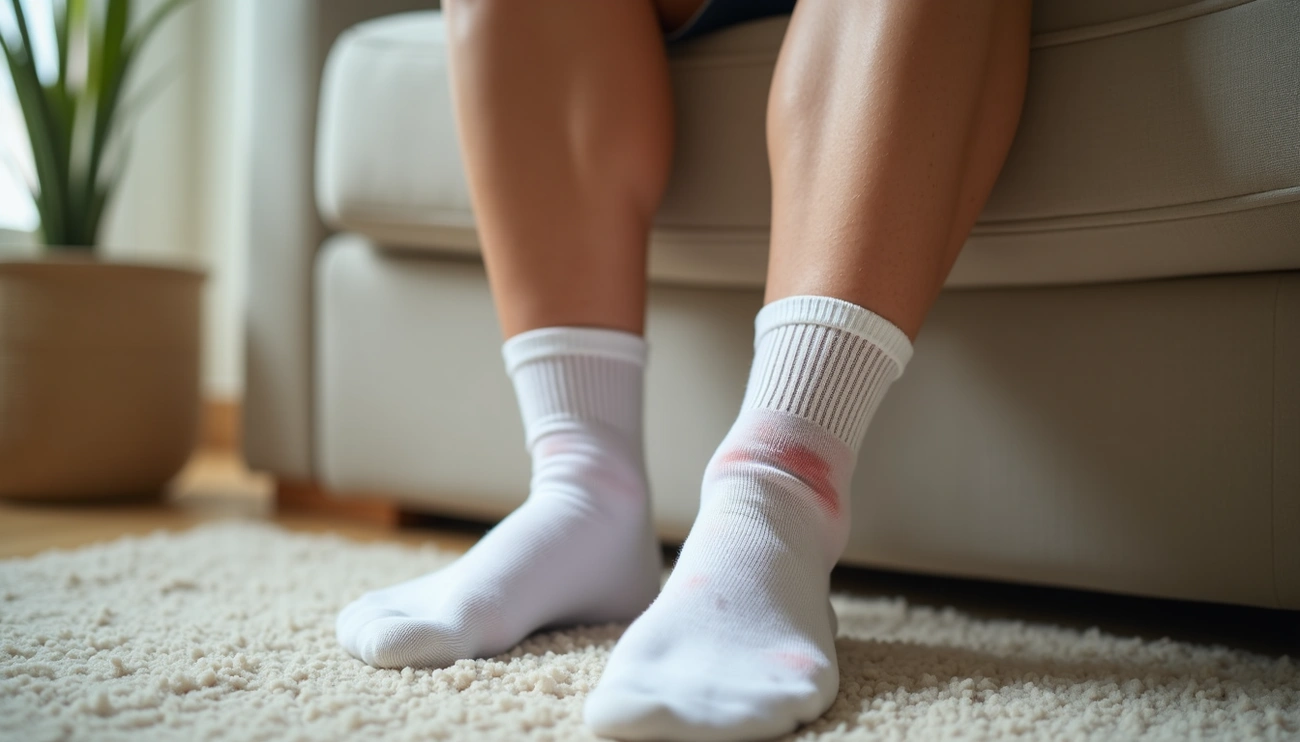
Holes represent obvious failure, but fabric degradation starts earlier with a condition called windowpaning. Hold your socks up to light and check the heel or ball of the foot. When fabric becomes so thin you can see your skin through it, the sock has lost its protective function.
Thin fabric offers zero cushioning. Your shoe rubs directly against exposed skin, dramatically increasing friction and blister risk. Damage typically appears first at high-stress areas where your weight distributes most heavily. Loose threads, fraying edges, or snags that catch on toenails signal the fabric is breaking down.
Replace socks when holes exceed 2cm diameter, appear in multiple locations, or when the fabric feels papery and weak. The material itself has reached the end of its useful life at that point.
Loss of Elasticity and Sagging Fit
Socks that constantly slide down create a hazard beyond simple annoyance. When elastic fails, fabric bunches up inside your shoe and creates friction points. According to the American Academy of Dermatology, friction from ill-fitting socks is a leading cause of blisters.
Test elasticity by gently stretching the cuff or ankle area. Healthy elastic springs back into shape immediately, whereas worn sections remain stretched or feel fragile under tension. You might hear slight crackling sounds as damaged fibers separate. Once the fit is gone, the sock hurts you instead of helping you.
Persistent Odor That Won’t Wash Out
Socks that smell funky even after thorough washing have compromised material. This indicates a bacterial issue. Bacteria can get trapped deep in synthetic fibers and become nearly impossible to wash out. If the smell stays, the bacteria stay.
Synthetic fabrics like polyester absorb body oils and hold onto moisture, making them particularly prone to odor retention. Try soaking socks in hot water with vinegar or washing with enzyme-based detergents. Despite these efforts, if the smell persists, bacteria have embedded themselves deep within the fabric.
Rough Texture or Excessive Pilling
Clean socks that feel like cardboard instead of fabric have lost their structural integrity. This happens when cheap cotton fibers degrade and lose their loft after repeated wetting and drying. Hard socks have lost their cushioning ability, meaning every step has less impact absorption.
Small pills forming on the surface signal the beginning stages of wear. These appear first where your sock rubs against shoes or skin. Whereas some initial pilling is normal, excessive pilling indicates accelerated wear patterns. The constant rubbing of your feet against shoe interiors causes fibers to break and form pills. Gently remove pills with a fabric shaver to restore appearance, but recognize this as a sign your socks are approaching replacement time.
What Affects How Long Your Socks Last

Several factors determine how often you should replace socks, and understanding them helps you make smarter purchasing decisions.
Material Quality: Merino Wool vs. Cotton vs. Synthetics
Merino wool fibers contain interlocking protein molecules that allow each fiber to stretch and recover without losing elasticity or breaking. This resilience at the fiber level creates yarn that holds up under years of use. Cotton, by contrast, retains moisture when saturated, absorbs up to 27 times its weight, and loses 20% of its strength when wet. Cotton socks typically wear out in 3 to 6 months.
Nylon serves as the single best predictor of durability. Premium socks use 15 to 30% nylon reinforcement concentrated at the heel and toe where abrasion peaks. A blend of 75% natural fiber to 25% nylon provides optimal balance between resilience and moisture control.
Your Activity Level and Frequency of Wear
High-impact activities create more friction and pressure at stress points like the heel and ball of the foot. Office workers who sit most of the day place less strain on socks than people who walk extensively. Rotating sock pairs gives fibers time to recover between uses, reducing odor buildup and extending durability.
Washing and Drying Habits
Heat ranks among the biggest threats to sock longevity. High temperatures weaken elastic threads, shrink cotton fibers, and increase fabric wear. Cold water protects delicate cotton fibers and elastic yarns that give socks their shape. Air drying prevents the breakdown that tumble dryers cause.
Sock Thickness and Construction
Premium dress socks survive 20,000+ Martindale abrasion cycles and maintain dimensions within 5% through 25 washes. Tighter knit constructions with higher stitch counts resist snags, pills, and holes better than loose knits. Higher-twist yarns resist pilling and abrasion better than loosely twisted alternatives. Wide ribbed cuffs with interwoven elastic distribute grip force across larger areas, reducing strain on individual elastic threads.
How to Make Your Socks Last Longer
Proper care extends sock lifespan significantly, delaying how often you should replace socks by months or even years.
Wash in Cold Water and Air Dry
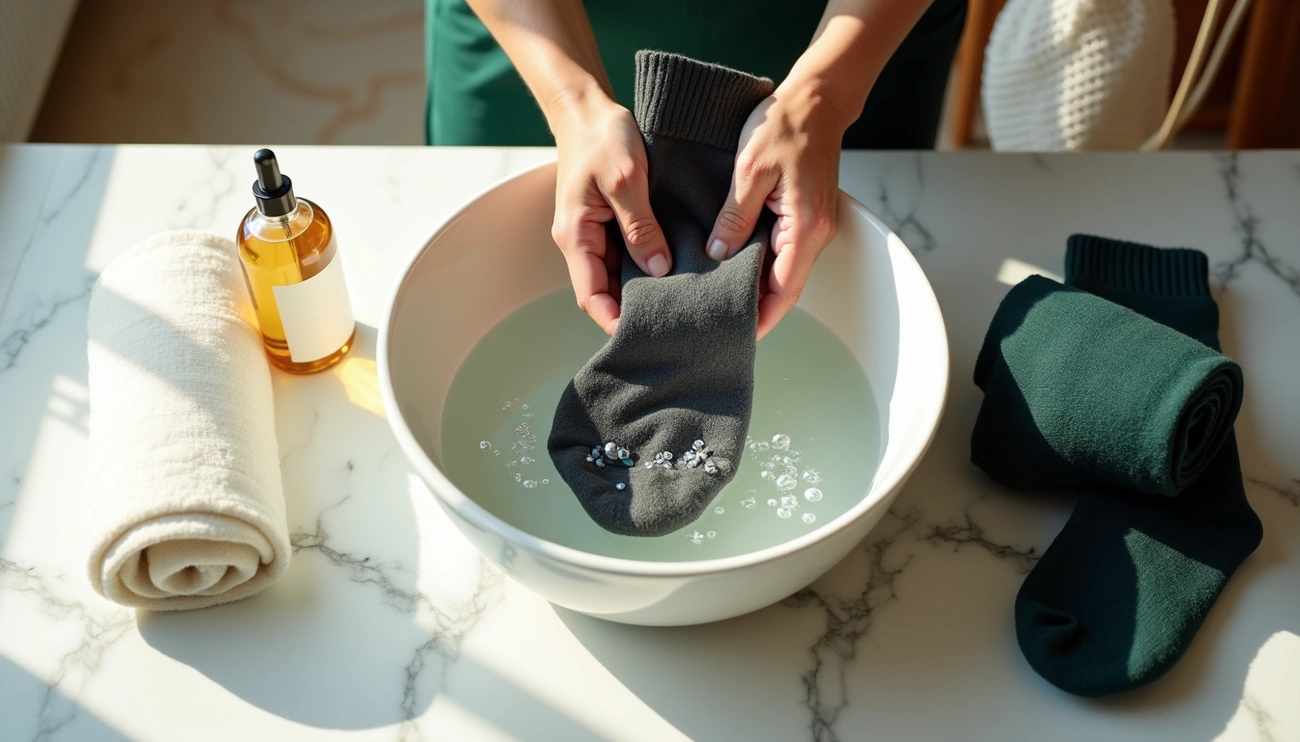
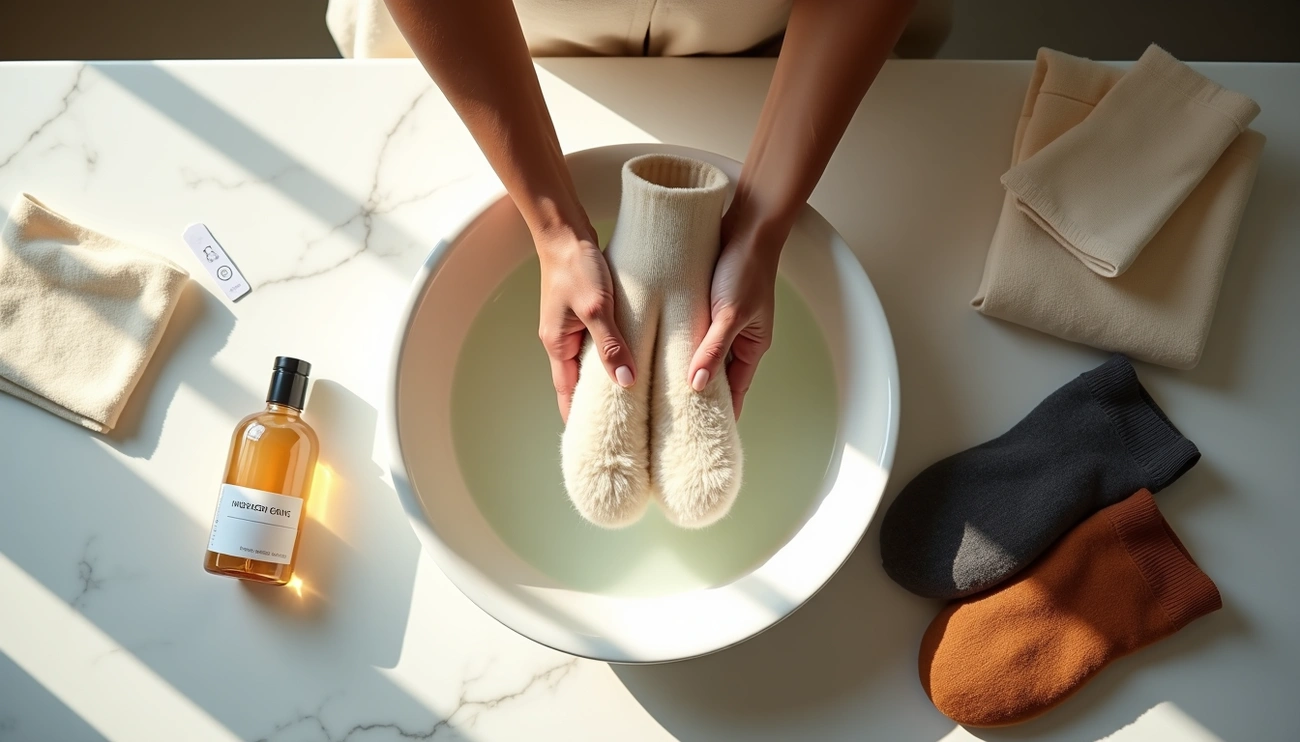
Hot water degrades elastic fibers faster than any other factor. Wash socks in cool to warm water at 30-40°C to preserve elasticity. Turn socks inside out before washing to protect outer fibers from abrasion and remove sweat more effectively[231]. Air drying preserves fibers and maintains sock shape, whereas tumble dryers break down material through high heat[231]. If you must use a dryer, select the lowest heat setting.
Rotate Your Sock Pairs Regularly
No pair should be worn more than once weekly. A rotation of 7-10 pairs ensures each sock gets adequate rest between wears, allowing fibers to recover their shape and elastic tension. Socks worn daily without rotation deteriorate 2-3 times faster than rotated pairs.
Trim Your Toenails to Prevent Snags
Long toenails poke through fabric, creating holes at stress points. Keep nails trimmed and edges smoothed to reduce friction damage.
Store Socks Properly Without Overstretching
Rolling socks into tight balls stretches elastic in the cuff, causing permanent deformation[231]. Fold socks flat or stack them gently without pulling. Store in a dry environment, as residual dampness promotes mildew growth that weakens fibers.
Conclusion
Fresh socks protect your feet from blisters, infections, and discomfort, making replacement an investment in foot health rather than just another expense. Replace everyday socks every 6 to 12 months, athletic pairs every 3 to 6 months, and compression socks every 3 to 4 months with daily use. Watch for visible holes, lost elasticity, persistent odor, or rough texture as clear signals that replacement time has arrived. Quality materials like merino wool outlast cotton, while proper care extends any sock’s lifespan significantly. Rotate your pairs regularly, wash in cold water, and air dry whenever possible. Your feet carry you through every day, so give them the support they deserve with socks that actually work.