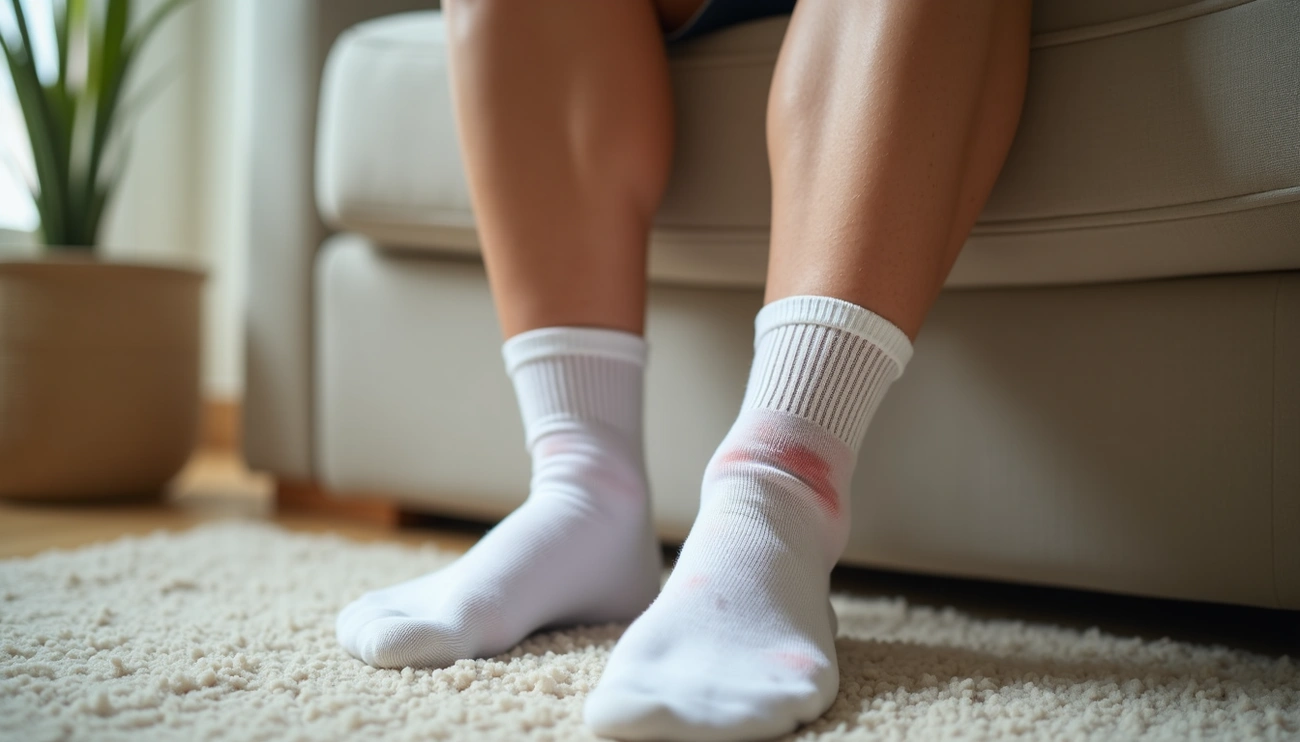
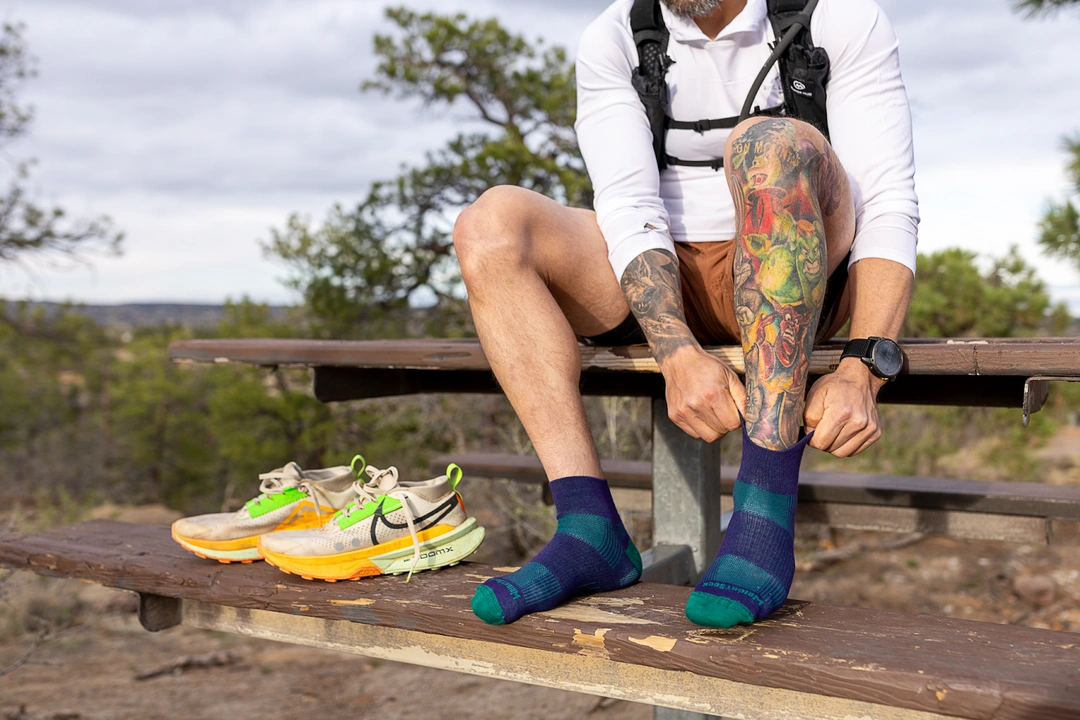
Wearing double socks prevents blisters by reducing friction and improving moisture control. The inner liner sock moves against the outer sock instead of skin, which lowers irritation. This method works best with a thin liner and a thicker outer sock during hikes or walks exceeding 5–10 miles.
Understanding How Blisters Form on Your Feet
Friction is the primary cause
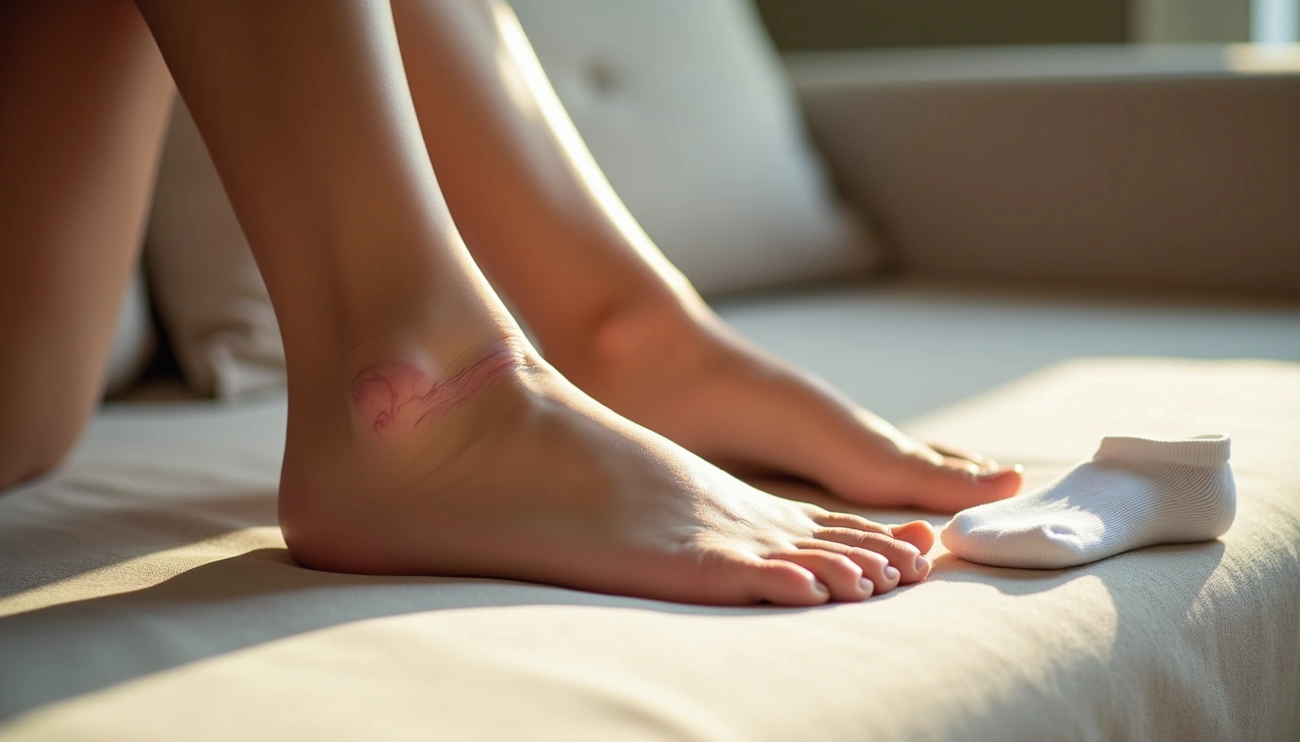
Blisters don’t form from simple rubbing against your skin surface. In reality, they result from repetitive shear deformation beneath the skin. The mechanics work differently than most people think: your bones move back and forth during walking or running while high friction forces keep your skin surface stationary against your sock and shoe. This creates internal stretching and distortion of tissue layers between the bone and skin surface.
Three fundamental elements drive blister formation: bone motion, high friction force, and repetition of these shear events. The friction force doesn’t cause damage by rubbing. Instead, it prevents your skin from moving in sync with your bones, creating mechanical fatigue within the stratum spinosum layer of your epidermis. After enough repetition, this layer tears and fills with plasma-like fluid.
Moisture weakens your skin
Sweat transforms your skin’s mechanical properties in ways that accelerate blister formation. When your stratum corneum absorbs water, it increases tissue flexibility and enhances shear stresses between skin layers. Studies confirm that higher foot hydration levels are associated with greater blister incidence, particularly in the toe region.
Furthermore, moisture elevates the friction coefficient between your skin and socks. This creates a destructive cycle: sweating softens your skin while simultaneously increasing the friction forces acting against it. Wet skin becomes more permeable and susceptible to mechanical damage, making the protective barrier more likely to fail.
Heat increases blister risk
Temperature plays a significant role in blister development. Researchers found that 77% of study participants developed blisters within 18 minutes of controlled load application. All participants showed significant temperature increases during blister creation and for 30 minutes afterward.
Heat contributes to blistering through multiple pathways. Higher ambient temperatures trigger more perspiration, which then increases friction forces inside your shoes. Faster walking speeds simultaneously raise in-shoe temperature and sweating levels. Blisters occur more frequently in hotter environmental conditions, making summer activities especially problematic.
Repetitive movement amplifies the problem
Repetition determines whether shear forces cause actual damage. Between 16% and 76% of runners and 29% to 95% of hikers experience foot blisters during their activities. The variation stems from differences in how many repetitive steps each activity requires.
Long-distance running, hiking, and endurance training share one common factor: thousands of repetitive shear cycles. Each step creates another opportunity for mechanical fatigue to accumulate within your skin layers. Accordingly, blister prevention strategies need to address not just friction or moisture individually, but how these factors compound through repetitive motion.
How the Double Sock Method Works to Prevent Blisters

The concept of material interfaces
When you wear shoes with socks, two surfaces meet and create friction points. The skin-sock interface and sock-shoe interface each have a coefficient of friction (COF), typically ranging from 0.40 to 0.90. This measurement tells us how much resistance exists when surfaces slide against each other.
High friction at both interfaces contributes to blister formation. In brief, your skin gets trapped between two high-friction zones with nowhere for shear forces to dissipate.
Creating a third friction layer
Adding another sock creates a sock-sock interface between the two layers. If this middle interface has a lower COF than the skin-sock and sock-shoe interfaces, the two socks will slide across one another before movement occurs elsewhere. As a result, shear forces transfer between sock layers rather than deforming your skin tissue.
The inner liner typically uses smooth, low-friction materials that glide over your skin while the outer sock interacts with your shoe. This setup reduces repetitive shear forces that lead to micro-tears in your epidermis.
What research says about double layer socks
Military studies show mixed results depending on sock composition. One study of 357 marine recruits found that standard socks produced 69% blister incidence, whereas a dense wool-polypropylene prototype sock with a thin polyester liner dropped incidence to 40%. Another study with 221 lieutenants showed double socks reduced blisters to 22% compared to 59% with single socks.
However, a Belgian military study found that padded polyester single socks (16% blister rate) outperformed double-sock combinations (32.3% rate). Material composition and thickness affect outcomes significantly.
Types of double sock systems
Two approaches exist: wearing separate liner and outer socks, or using integrated double-layer socks with both layers built into one product. Integrated systems eliminate the hassle of layering while providing the same friction-shifting benefits through engineered two-layer construction.
When Double Socks Make Blisters Worse Instead of Better
Increased bulk creates pressure points
Adding an extra sock increases bulk inside your shoe, which creates problems if your footwear already fits snugly. This compression reduces circulation, increases heat, and creates pressure points. Tight socks compress your skin and restrict blood flow, preventing proper airflow. The added pressure can make your shoes feel uncomfortably tight, particularly problematic during activities when your feet swell. In contrast to the friction-reduction theory, one study found that 34% of feet wearing toe socks with tape developed blisters, whereas only 27% without the double layer sustained blisters.
Poor sock combinations trap moisture
Two pairs of socks trap heat and sweat if they lack moisture-wicking properties. Research confirms that using wet socks during hiking multiplies blister risk by 1.94. Moisture buildup softens your skin, making it fragile and prone to tearing. Cotton and standard wool absorb moisture rather than wick it away, keeping sweat in contact with your feet. Without breathable fabrics, extra cushioning traps heat around your feet, causing increased perspiration.
Slippage between layers causes more friction
If your inner sock isn’t form-fitting or slides around, you create more movement inside your shoe rather than reducing it. This defeats the entire purpose of double layer socks.
Wrong material choices increase heat buildup
Material mismatch between socks introduces seams, friction points, and uneven contact areas. Standard wool traps heat and makes your feet sweat more. The extra fabric layer causes feet to feel warmer, which becomes uncomfortable in hot weather.
Best Practices for Using Double Socks Effectively

Choose a thin moisture-wicking inner sock
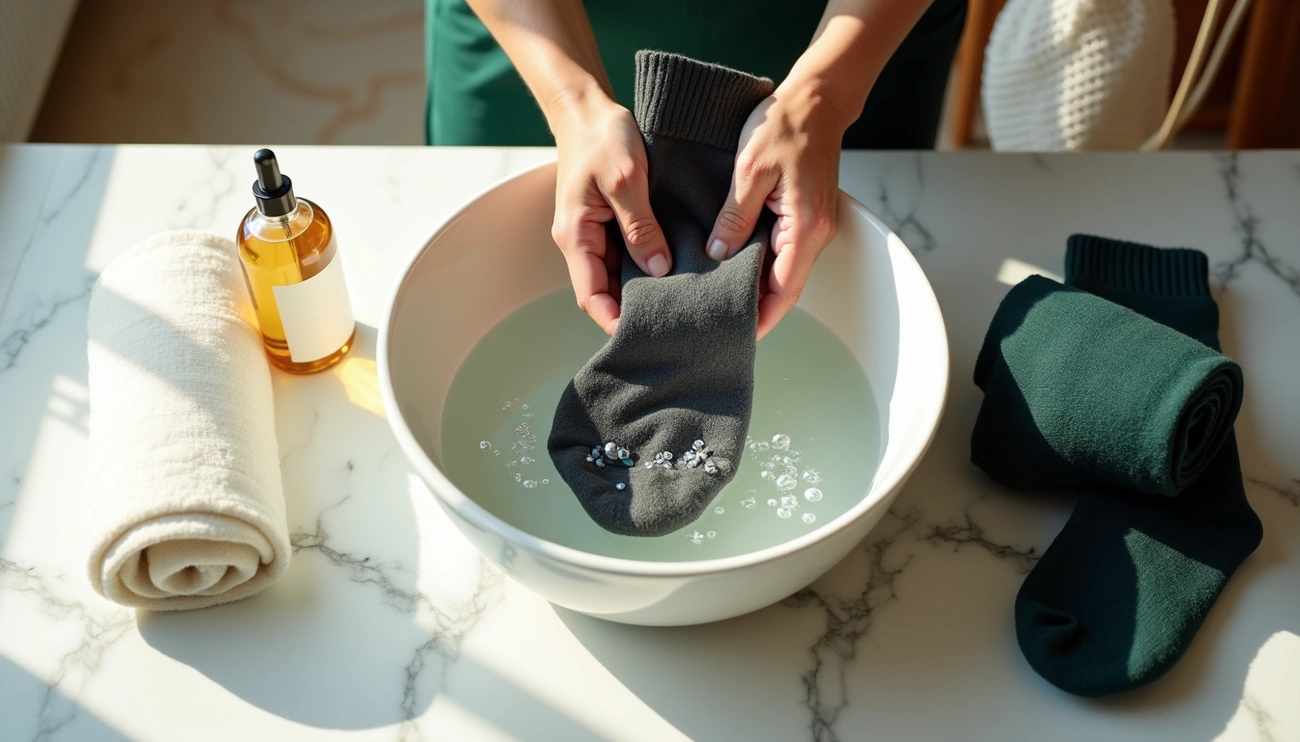
Your inner layer should be a liner sock made from hydrophobic materials that repel water. Look for blends containing polypropylene, polyester, nylon, and spandex. These synthetic fibers wick moisture away from your skin rather than absorbing it like cotton does.
The fit matters more than you might think. Your liner needs to be form-fitting and compressed so it moves with your foot as one unit. Smooth, flat-knit construction prevents seams from creating additional friction points[262].
Select a cushioned breathable outer sock
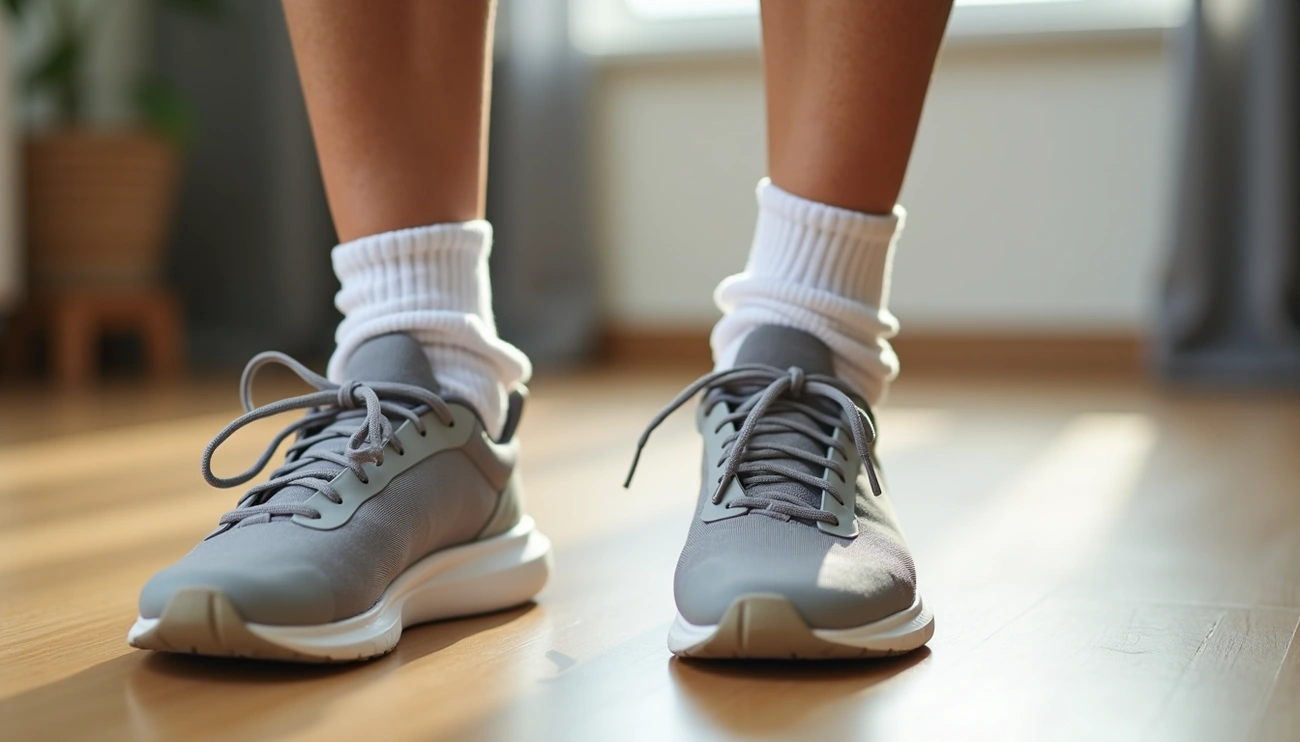
Your outer sock should provide padding in high-friction zones while maintaining breathability. Merino wool excels at moisture-wicking and thermoregulation. Opt for socks with targeted cushioning at the heel and toe areas where impact concentrates.
The outer layer must maintain its bulk despite moisture absorption. This ensures consistent padding throughout your activity.
Ensure proper fit to avoid bunching
Ill-fitting socks bunch up and create new friction zones. Your socks should stay put without slipping. Performance fit designs contour to your foot shape, reducing movement inside your shoe.
When to use double layer anti blister socks instead
Integrated double layer anti blister socks eliminate the guesswork of pairing separate layers. These systems feature built-in inner and outer layers engineered to move independently. They provide blister prevention without the bulk of wearing two separate socks.
Conclusion
Double socks can prevent blisters effectively, but only when you pair them correctly. The key lies in choosing a thin, moisture-wicking inner liner with a cushioned breathable outer sock that fits properly without creating bulk. Poor material combinations will trap heat and moisture, making blisters more likely instead of preventing them. Consequently, if layering feels complicated, integrated double-layer anti blister socks deliver the same friction-shifting benefits without the guesswork. Choose your system wisely, and your feet will thank you on every mile.