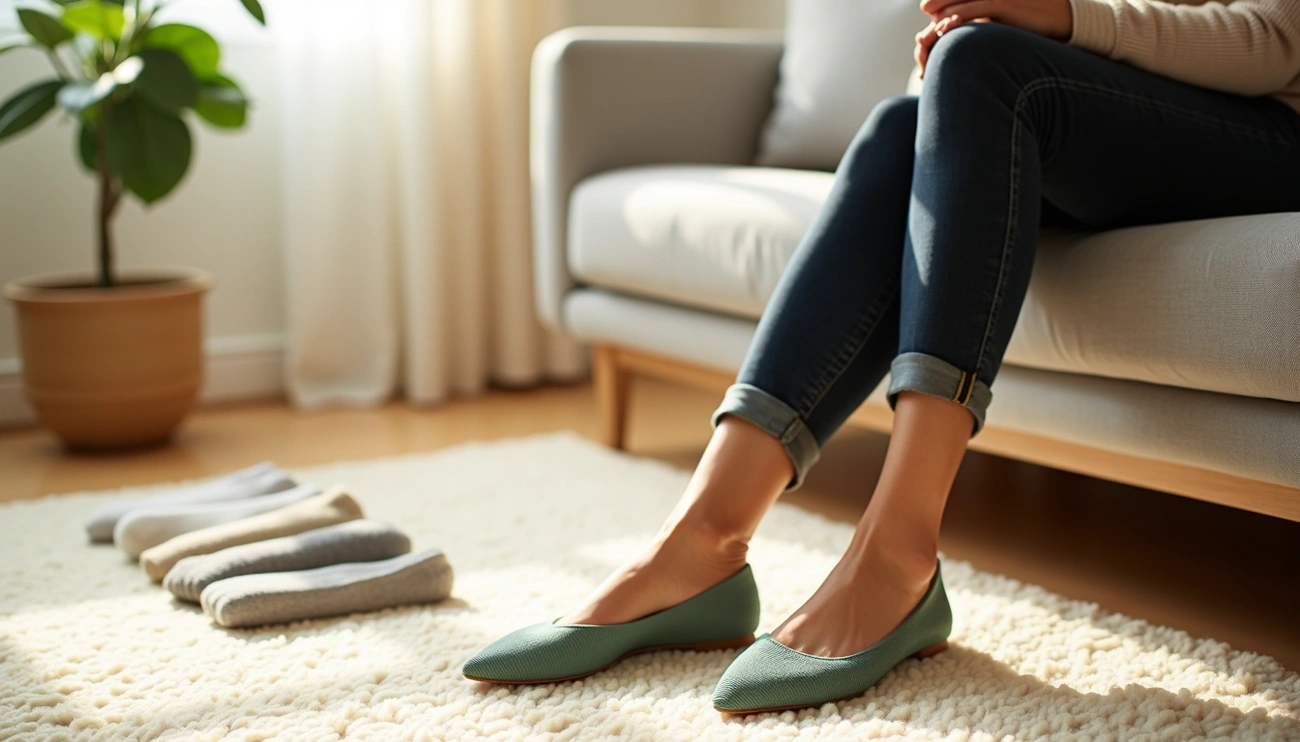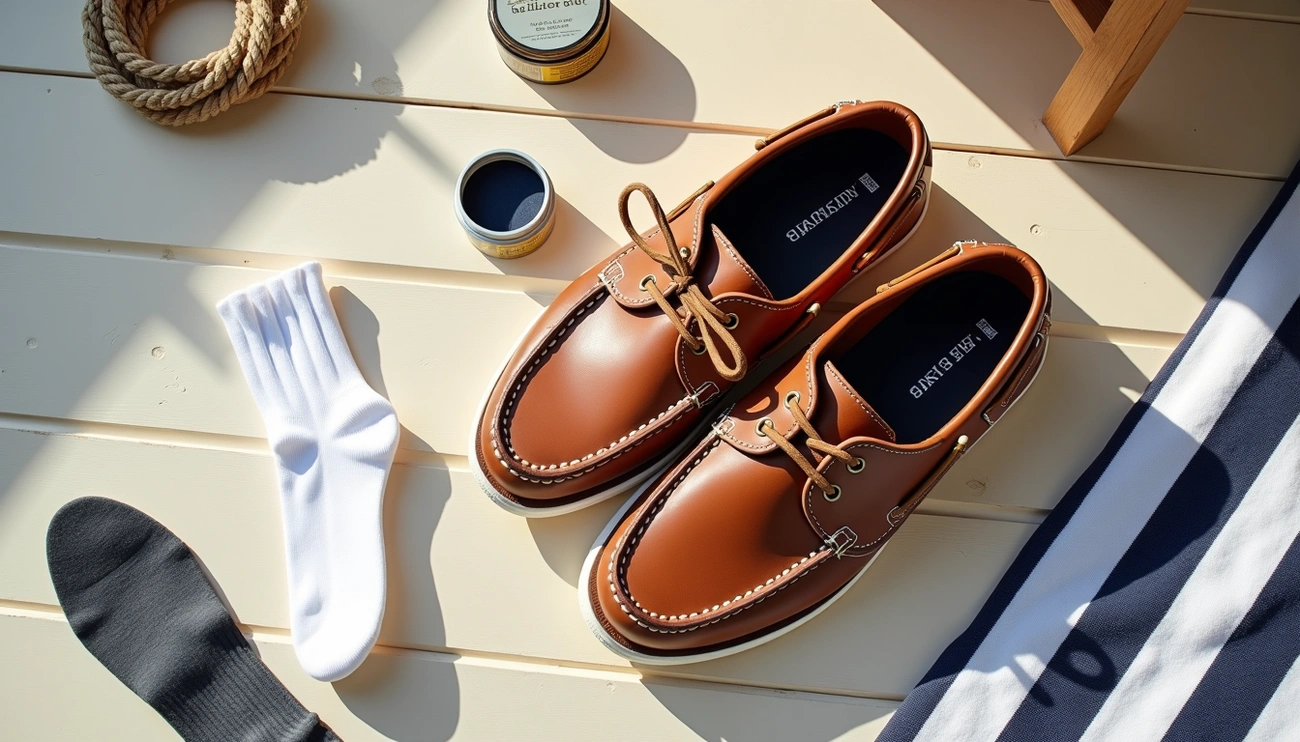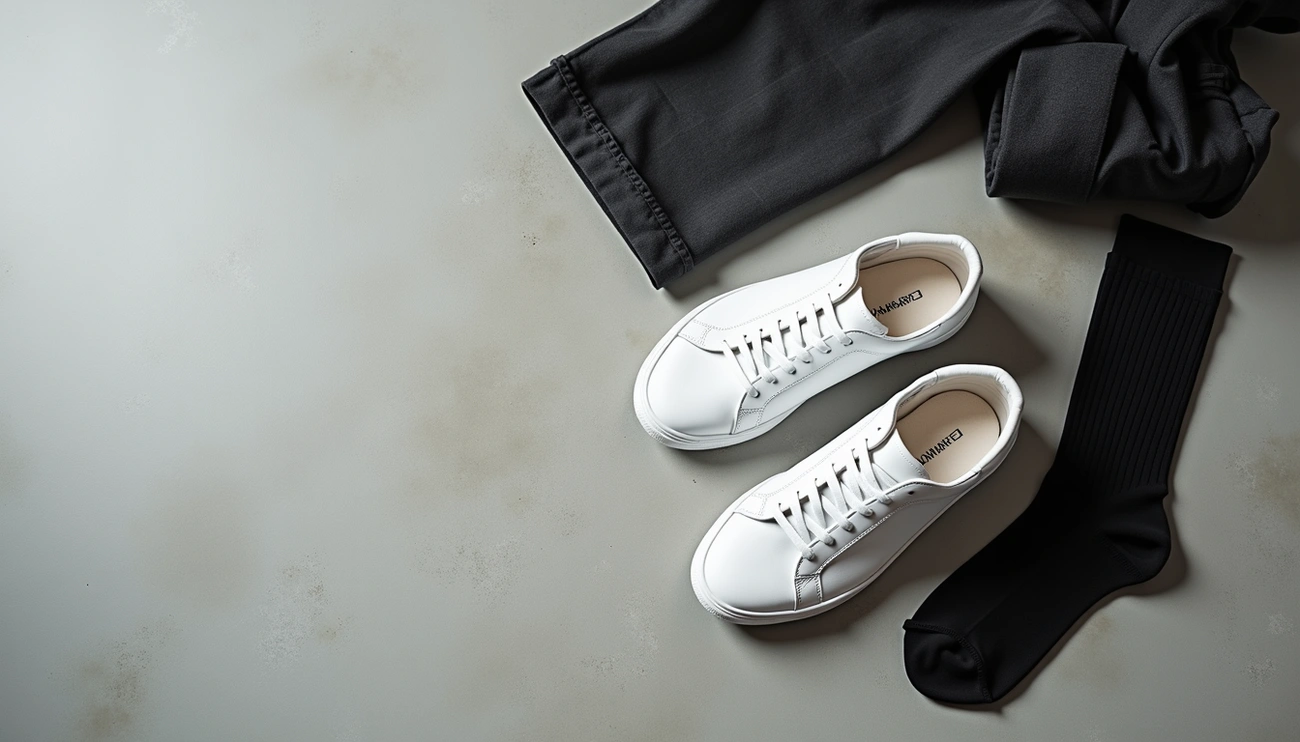
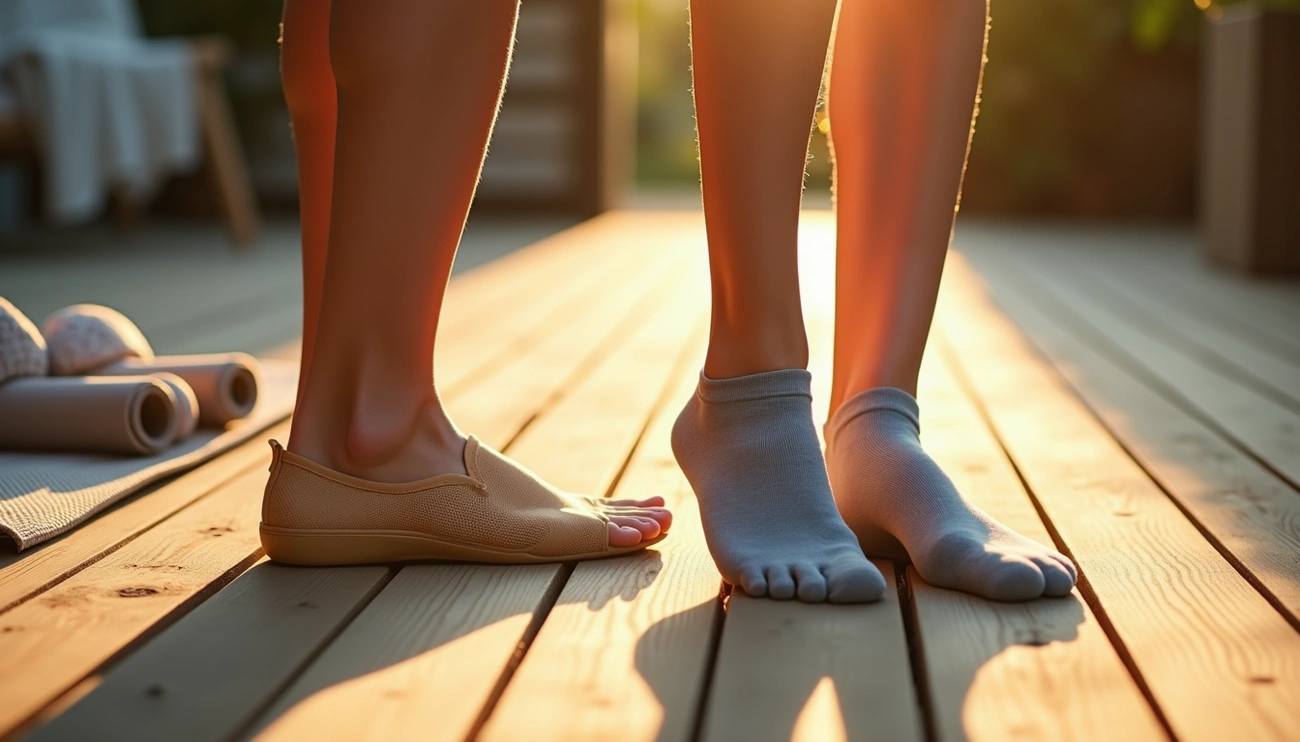
Yes, you can wear socks with barefoot shoes, but it depends on personal preference. Going sockless increases ground feel and foot sensitivity. Many people wear thin, breathable, or toe socks to improve comfort, prevent blisters, and control odor. Use roomy socks that allow natural toe splay.
Should You Wear Socks with Barefoot Shoes? The Core Debate
The Barefoot Purist Perspective
On one side of this debate, purists argue you should skip socks entirely. Their reasoning centers on sensory feedback. Going sockless provides maximum ground feel and maintains that direct connection to your environment. Purists claim you need skin-to-shoe contact to get the full benefits of minimalist footwear. Feeling the earth beneath you, sensing each pebble and temperature shift creates that authentic barefoot experience. This approach amplifies the grounded, natural feel these shoes were designed to deliver.
The sockless route offers a minimalist, free-flowing experience. Your toes gain greater mobility, which feels pleasant in hot weather. Direct contact with the shoe enhances balance and coordination, beneficial for activities like hiking or training.
The Practical Sock-Wearer Approach
Conversely, sock advocates champion a thin layer for practical reasons. A slim sock serves multiple functions. Socks wick away sweat, cutting down on foot odor while providing protection against seams or stitches inside the shoe that might cause rubbing. For those with sensitive skin, socks reduce friction significantly. They absorb moisture, reducing bacteria buildup while extending shoe lifespan.
Socks prevent blisters, especially during long walks or sports activities. They preserve the inner lining of your shoes, reducing wear from direct skin contact. In colder temperatures, socks keep your feet warm without compromising the barefoot design. The key distinction: sock thickness matters enormously. Go too thick and you throw the barefoot experience out the window. A breathable, thin sock provides comfort without sacrificing the minimalist approach.
Why Personal Preference Matters Most
In reality, both camps make valid arguments. Your optimal choice depends on several individual factors. Got sweaty feet? Socks help absorb moisture. Hate bulk? Skip them entirely. Your activity level, natural sweat tendencies, and shoe materials all influence this decision.
The journey remains deeply personal. What works surfaces through experimentation and awareness of your comfort needs. Some days your feet want connection to the ground. Other days they want protection and comfort. Neither approach violates barefoot shoe principles when you choose what serves your feet best.
How Wearing Socks with Barefoot Shoes Affects Your Fit

Socks change how barefoot shoes fit on your feet. The impact goes beyond adding a layer between skin and shoe. Sock choice determines whether you preserve or compromise the shoe’s intended design.
Toe Box Space and Toe Splay
Regular tube socks taper significantly at the end, squeezing your toes together like a tight mitten. This elastic tension pushes your foot back into a pointed shape, even though your shoes allow more freedom. You bought barefoot shoes for that wide toe box, but conventional socks work against this feature.
Toe splay describes your foot’s ability to fan out upon impact, acting as a natural shock absorber and stabilizer. When tight socks restrict this movement, you lose that wide base of support. You might feel less stable even on flat ground because your toes can’t spread properly. The shoe’s design can’t do its job when socks prevent natural toe movement.
Toe socks solve this problem by sheathing each toe individually. In similar fashion to how gloves separate your fingers, these socks stop side pressure on the front of your foot. Each toe gains its own space to move independently, preserving the alignment your barefoot shoes were designed to support.
Shoe Sizing Considerations
Wearing socks makes your barefoot shoes feel slightly tighter, especially with glove-like fits. Thin socks like merino toe socks usually work best. Bulky socks cramp your toes, canceling out the benefit of that roomy toe box.
Try on your shoes with the socks you plan to wear if thickness matters. This ensures proper fit from the start.
Material Thickness Impact
Sock thickness determines whether you maintain or lose the barefoot experience. Go too thick and you throw the whole point out the window. Plush cushioning acts as a barrier, diminishing direct ground contact. Thick materials also reduce shoe flexibility and natural feel.
Slim, breathable socks preserve comfort without sacrificing minimalist principles.
Preventing Uncomfortable Rubbing
Socks should fit snugly without restricting circulation or toe movement. Choose left and right specific socks when possible. Avoid thick seams that cause pressure points or friction. Seamless socks work best. Quality matters because cheap socks with excessive synthetic fibers wear out quickly and feel uncomfortable.
How Socks Change Comfort Levels in Barefoot Shoes

Ground Feel and Sensory Feedback
Barefoot shoes maintain close ground contact and better sensory feedback, a property known as proprioception. Studies show that increased plantar feedback can improve balance and gait control, particularly valuable on slippery or uneven surfaces. Traditional boots with thick, rigid soles dull sensory input, increasing the likelihood of missteps. Barefoot shoes help you make faster, more precise adjustments. Whereas thick socks act as barriers, thin moisture-wicking options preserve ground connection while adding protection.
Moisture Management and Hygiene
Surprisingly, moisture buildup dramatically reduces thermal insulation and can accelerate heat loss. Your feet perspire about half a cup each day from normal activities. Without synthetic layers, sweat sinks directly into raw leather or mesh, creating breeding grounds for bacteria. Moisture-wicking socks transport perspiration throughout the fabric, allowing escape via evaporation through shoe uppers. Silver-infused fibers fight bacteria naturally, reducing odor while helping maintain dry skin.
Temperature Regulation in Different Seasons
Cold weather demands insulation. Thick socks or layered pairs provide warmth, though you should size up to maintain toe room. Breathable uppers paired with warm socks keep feet drier and often warmer than heavy, non-breathable boots once activity begins. In warm weather, light socks reduce rubbing in leather models.
Blister Prevention and Friction Control
Blisters form when skin and bone move out of sync under high friction conditions. Moisture increases friction levels significantly. Thicker socks can potentially reduce blister formation by absorbing shear forces. The thick nap undergoes shear distortion, meaning skin doesn’t have to. Merino wool offers a lower friction coefficient than synthetic yarns.
What Types of Socks Work Best with Barefoot Shoes
Toe Socks for Natural Toe Movement
Five-toe socks feature individual compartments for each toe, allowing independent movement. This design promotes natural toe splay, improves balance, and reduces friction between toes, minimizing blister risk. Toe socks enhance proprioception, the awareness of foot positioning, vital for running and hiking. They separate each toe to reduce skin-on-skin contact while maintaining alignment within your shoe’s wide toe box. Brands like Injinji offer various options depending on your activity.
Thin Breathable Materials to Consider
Merino wool provides year-round comfort with optimal temperature regulation. Super-light merino helps keep sweat, smell, and temperature in check. Bamboo blends offer silky feel, breathability, and antibacterial properties while wicking away sweat. Tabi-style or no-show liners remain invisible and low-profile.
What Sock Features to Avoid
Skip thick gym crew cuts that undermine barefoot design. Plush cushioning acts as a barrier, diminishing direct ground contact. Avoid socks containing elastane, which contracts and constricts the foot. Restrictive materials hinder toe splay and alter natural foot mechanics.
When to Go Completely Sockless
Going sockless delivers maximum ground feel and unrestricted toe movement[162]. However, this means more regular cleaning, possible wear on interior lining, and potential extra rubbing during long walks[162]. Ensure your barefoot shoes are breathable and maintain regular cleaning for hygiene.
Conclusion
The sock debate ultimately comes down to your personal needs and conditions. We recommend experimenting with both approaches to discover what works for your feet. Try thin toe socks for cold weather and high-activity days, then go sockless when temperatures rise and you want maximum ground feel. Overall, the best choice preserves your barefoot shoe’s wide toe box while keeping you comfortable. Listen to your feet and adjust accordingly.