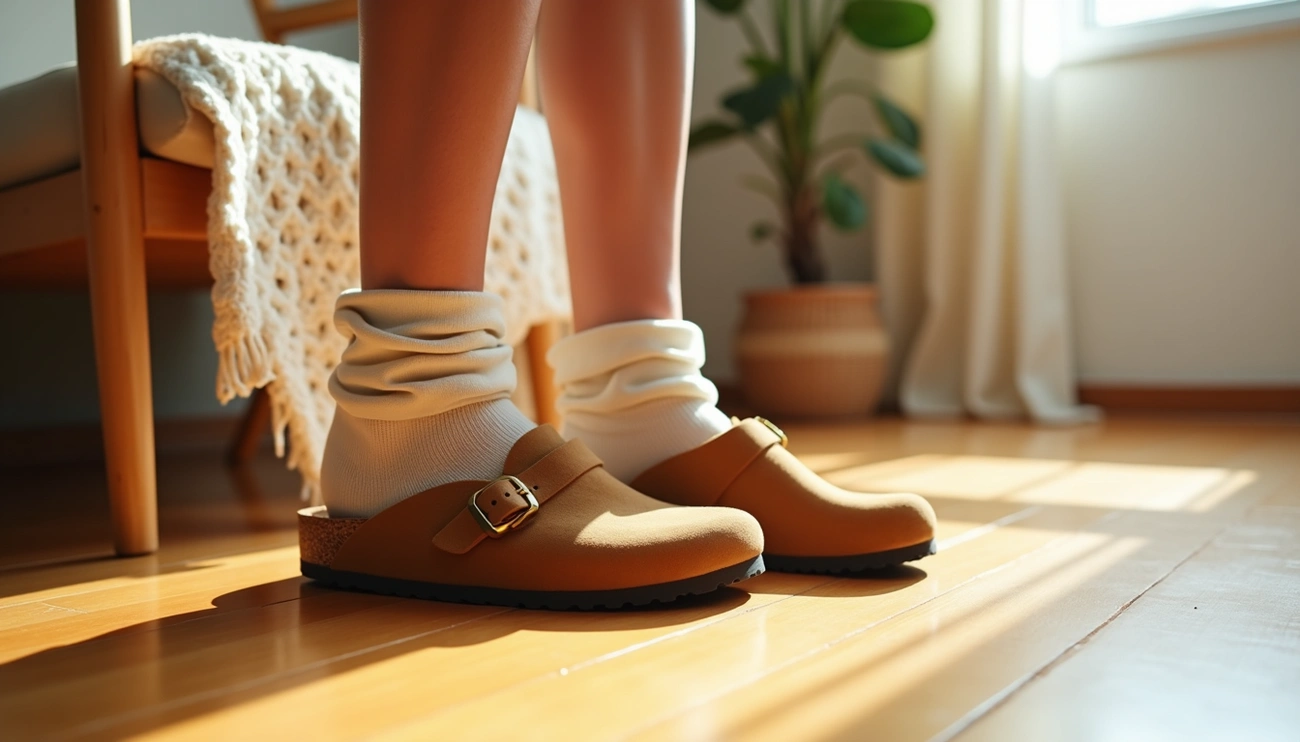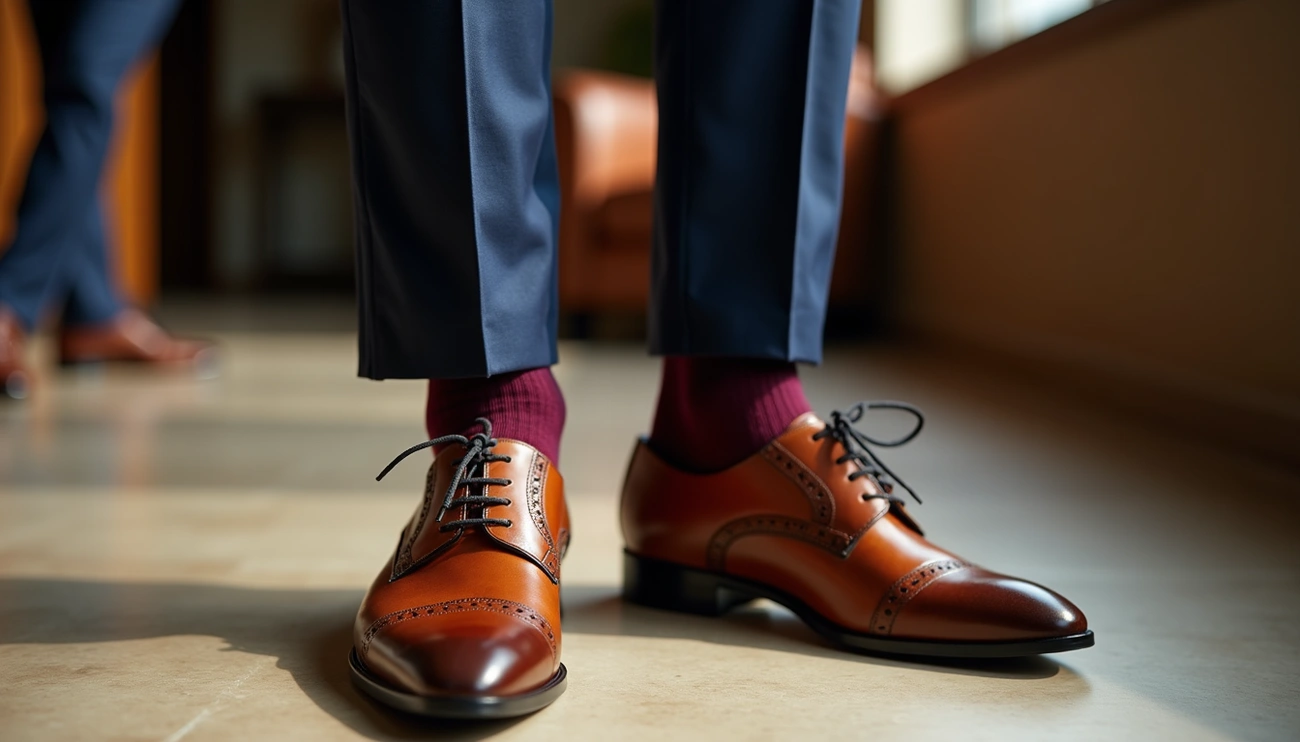
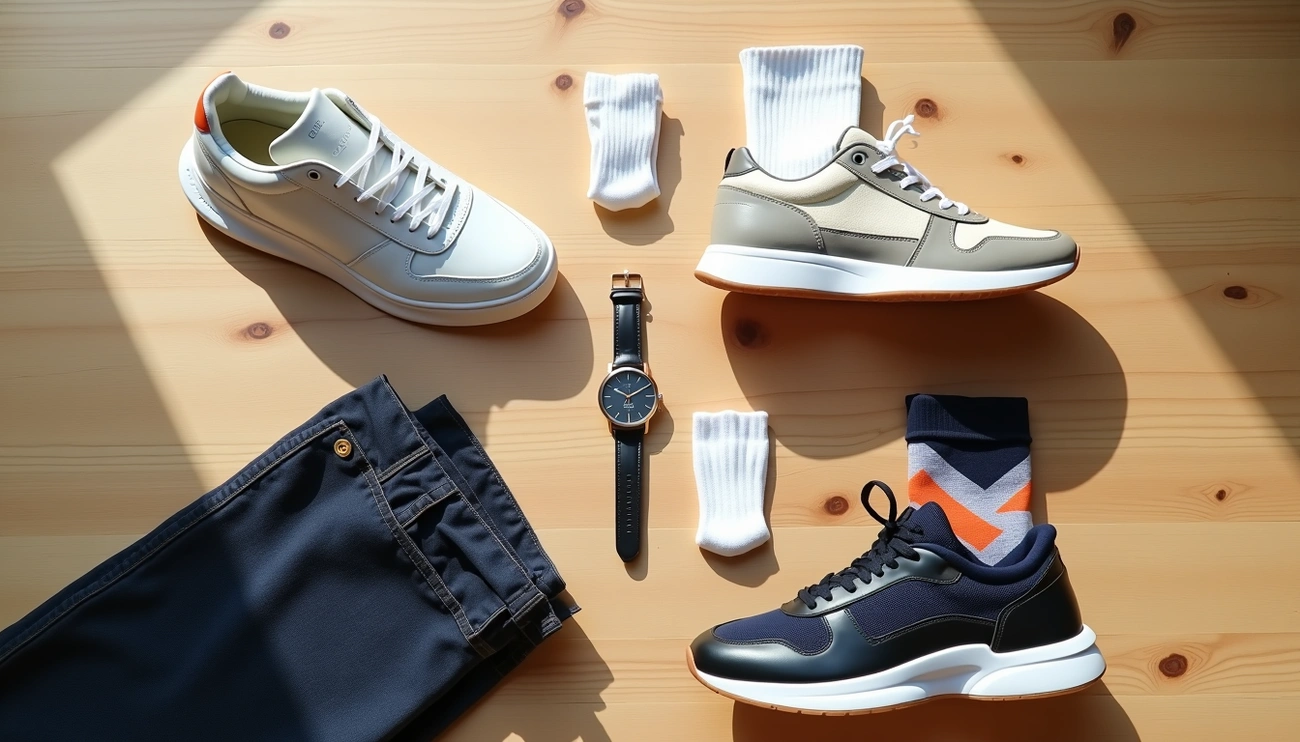
Wear no-show socks with low-top sneakers for a clean look that keeps socks hidden and maintains a smooth leg line. Wear white crew socks with sneakers and shorts or cropped pants for a casual or trendy style. Slightly scrunch crew socks to create a relaxed streetwear look.
Understanding Sock Types and Heights for Sneakers

Sock height determines everything when you’re building an outfit around sneakers. Each sock type serves a specific purpose, and understanding these distinctions helps you make better style choices.
No-Show Socks: The Invisible Foundation
No-show socks give you the sockless look without the discomfort of sweaty feet. These low-profile options sit at or just below your ankle bone, designed to disappear into your shoes completely. The challenge lies in finding pairs that actually stay put. Many no-shows slip off the heel within minutes, which becomes frustrating.
Quality no-show socks feature silicone grip strips strategically placed on the heel and sometimes the toe area. Heel tabs (small fabric extensions at the back) prevent the sock from getting swallowed by your sneaker. I’ve found that no-shows work beautifully with low-rise sneakers, boat shoes, and flats when you want that clean, minimalist appearance. They keep shoes fresh, reduce odor, and add just enough cushion for comfort.
Ankle Socks: The Versatile Middle Ground
Ankle socks typically measure 2-3 inches above your ankle bone. They sit just above the ankle, creating a low-profile design that remains nearly invisible with most footwear. This height offers more coverage than no-shows while maintaining breathability.
The shorter length allows greater airflow around your legs, keeping you cool during active wear. Ankle socks excel in sports and casual settings because they provide sufficient foot support without extending to the calf. They work great when you want a pop of color or pattern to peek out slightly. While they offer excellent versatility, ankle socks provide less protection from blisters and expose your ankles in cold weather.
Crew Socks with Sneakers: The Statement Choice
Crew socks extend 6 to 8 inches above the ankle, sitting right below the calf muscle. These visible socks have become part of your outfit rather than hidden accessories. Modern crew socks serve as fashion statements, especially with streetwear trends.
Crew socks provide more leg coverage, protecting skin from shoe friction, dust, and mild cold weather. They offer added padding and support around the ankle and arch, making them excellent for physical activities. The classic white tube sock falls into this category. You’ll see them everywhere from gyms to streets because of their versatility.
Mid-Calf and Knee-High Socks: The Bold Approach
Knee-high socks reach just under the kneecap, providing extra warmth and comfort under any bottoms. These tall socks allow compression to be distributed to the entire lower leg, supporting the calf, shin, and ankle. They work phenomenally with socks with high tops and basketball sneakers, where mid-calf socks peek above the collar. This height makes a deliberate style statement while offering functional benefits for activities requiring extended leg support.
What Socks to Wear with Different Sneaker Styles

Sneaker silhouette determines your sock strategy more than any other factor. What works beautifully with one style looks completely off with another.
Low-Top Sneakers and Minimal Silhouettes
Low-top sneakers adapt to almost any sock height. No-show socks create that barely-there esthetic, ankle socks add a peek of personality, and crew socks deliver an intentional statement. Minimal white sneakers pair especially well with premium cotton socks in solid colors and subtle stripes. Models like the adidas Superstar, Samba, and Rivalry Low work with mid-cut socks. Fine rib crew socks complement Scandinavian styling when you’re going for clean lines.
Chunky Sneakers and Dad Shoe Styles
Chunky sneakers demand socks that can handle their visual presence. Crew socks balance the proportions, preventing your feet from looking oversized. Mid-calf rib adds the right amount of structure. Ribbed or textured socks introduce dimension without competing for attention. White crew socks scrunched down over leggings or biker shorts create that effortless streetwear look, but you need the right sneaker to match the vibe. Skip this trend with low-profile shoes.
Socks with High Tops and Basketball Sneakers
High-tops require mid-calf or crew socks that peek just above the collar. A small sliver of sock works better than excessive fabric bunching beyond the shoe line. Basketball sneakers pair naturally with thicker, cushioned crew socks that provide ankle support. Avoid ankle socks with high-tops because you’ll spend your day adjusting them inside your shoes. Nike Air Max 1 and Air Jordan 1 High work with high-cut socks.
Retro Runners and Athletic Sneakers
Retro running shoes pair exceptionally well with sport-inspired rib socks and classic striping. Half-calf socks scrunched down give you that casual, fashion-forward esthetic. Field sneakers look sharp with contrasting sock colors in beige or black. Models like adidas Gazelle, Reebok Classic Leather, and PUMA Future Rider match well with ankle socks.
Color and Pattern Matching Rules
Color choices make or break your sneaker outfit. I’ve seen people overthink this constantly, but the core principles remain straightforward once you understand them.
Should Socks Match Shoes or Pants
Match your socks to your pants, not your shoes. This creates a color bridge between your trousers and footwear rather than making socks mirror your sneakers. Matching socks to pants lets your leg line flow uninterrupted from hip to ankle, extending your silhouette. Navy socks with navy chinos create smart minimalism with white sneakers, while light gray slacks paired with gray socks deliver soft sophistication.
Monochromatic Matching for Clean Lines
Matching your socks to your sneakers creates a sleek, elongated look. White socks with white sneakers produce that crisp esthetic, while black socks with black sneakers offer effortless style. Your socks and sneakers become one continuous line, elongating your legs and creating a streamlined silhouette.
Strategic Contrast with Bold Colors
Bold color contrasts require confidence but deliver impact. Complementary colors make both socks and sneakers pop. Navy socks with brown shoes work beautifully, as do burgundy socks with black sneakers. Brightly colored socks transform plain sneakers into lively statements.
Using Neutral Tones as Your Foundation
Build your collection around black, white, gray, and navy. These versatile neutrals pair with most sneaker rotations effortlessly. Subtle browns, stone grays, and beige tones mirror your pants or accessories while keeping looks grounded.
Pattern Play: When and How to Add Visual Interest
Plain sneakers allow you to experiment with patterned socks. Conversely, if your sneakers already have details, keep socks simple. Vary pattern scales when mixing. Small patterns work fine as long as the base color matches.
Common Sock and Sneaker Mistakes to Avoid

Small missteps with socks and sneakers dismantle otherwise solid outfits. These errors happen frequently, but understanding them prevents you from making the same mistakes.
Wrong Sock Height for Your Sneaker Type
Exposed skin when sitting destroys your look. Socks that flash your ankle or calf between pants and shoes create awkward visual breaks. High-tops demand crew socks that peek just above the collar. A low sock with a high-top appears unfinished, as if you’re missing a connecting piece. Minimalist white leather sneakers work best with no-show or ankle socks because tall socks interrupt their clean esthetic.
Mismatched Formality Levels
Sports socks have no place with dress shoes. The ribbed construction and heavier cotton material bunch over dress shoes, creating bulk that looks sloppy. White athletic socks paired with any formal footwear ranks among the worst style violations. Ankle socks with business shoes expose too much skin during meetings.
Poor Color Choices That Break Your Outfit
Matching your socks to your shoes instead of your pants creates garish color breaks in your outfit. White socks against dark suits draw the wrong attention. Clashing colors, patterns, and textures detract from your appearance.
Ignoring Seasonal and Occasion Context
Shorts require minimal sock visibility. Keep socks as short as possible, ideally no-shows. Novelty socks fail in formal settings where bold colors would be more appropriate. Logos pull attention downward, fine for casual wear but problematic in business environments.
Conclusion
Getting your sock and sneaker combination right transforms your entire outfit. The rules are straightforward once you understand them: match sock height to sneaker style, align colors with your pants rather than shoes, and always consider the occasion.
Take what you’ve learned here and apply it to your wardrobe tomorrow. Start with versatile neutrals, experiment with heights confidently, and you’ll notice how these small choices elevate your sneaker game significantly.