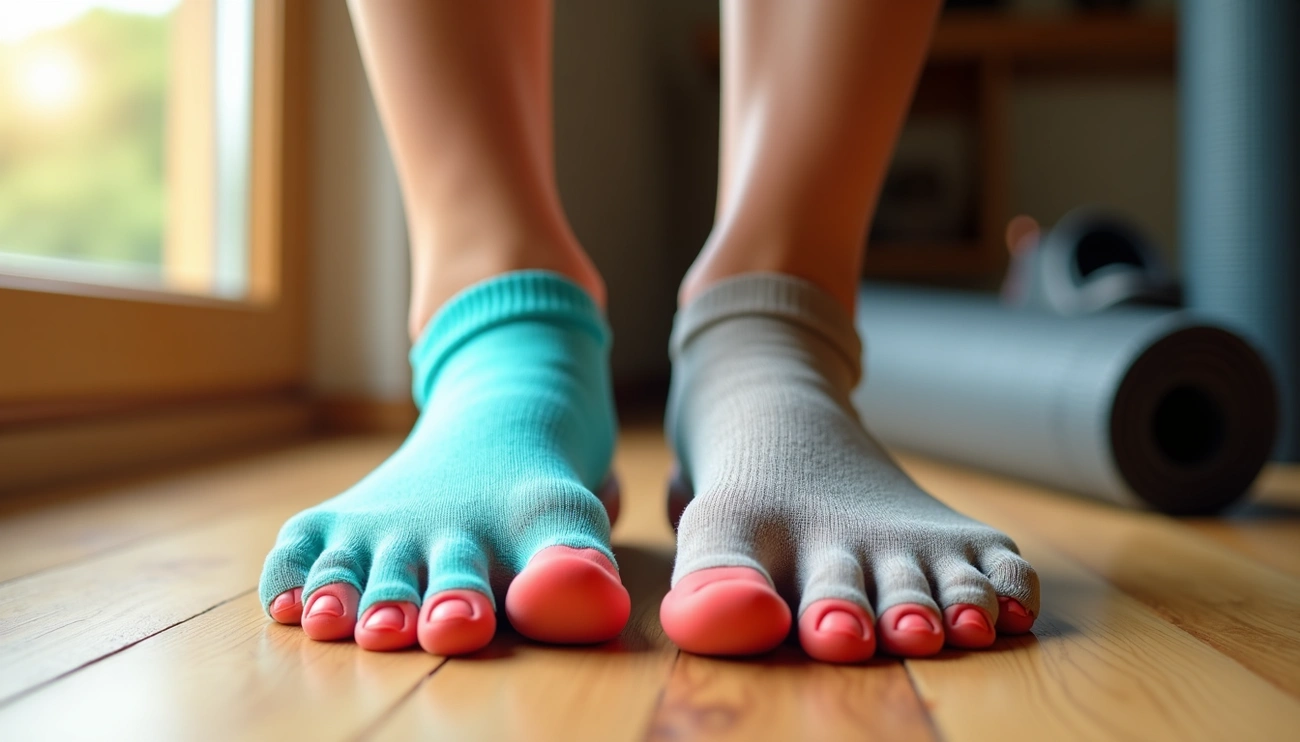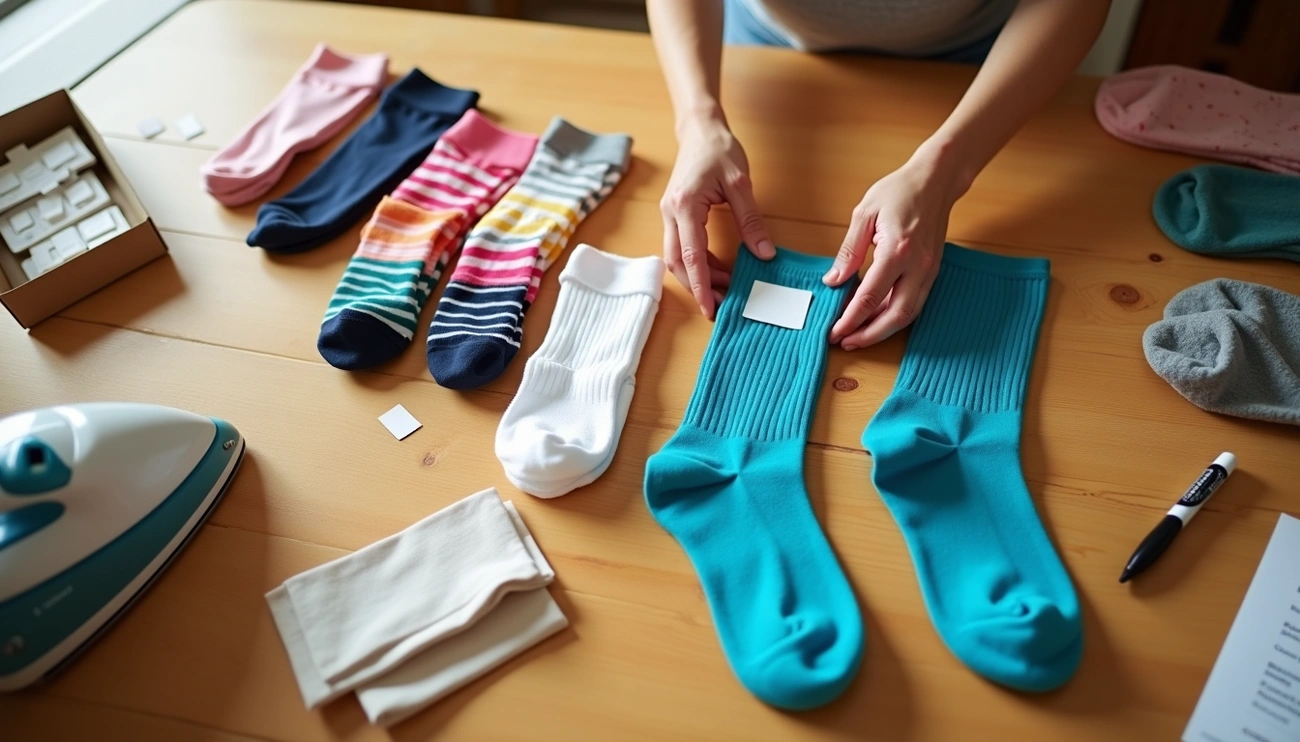
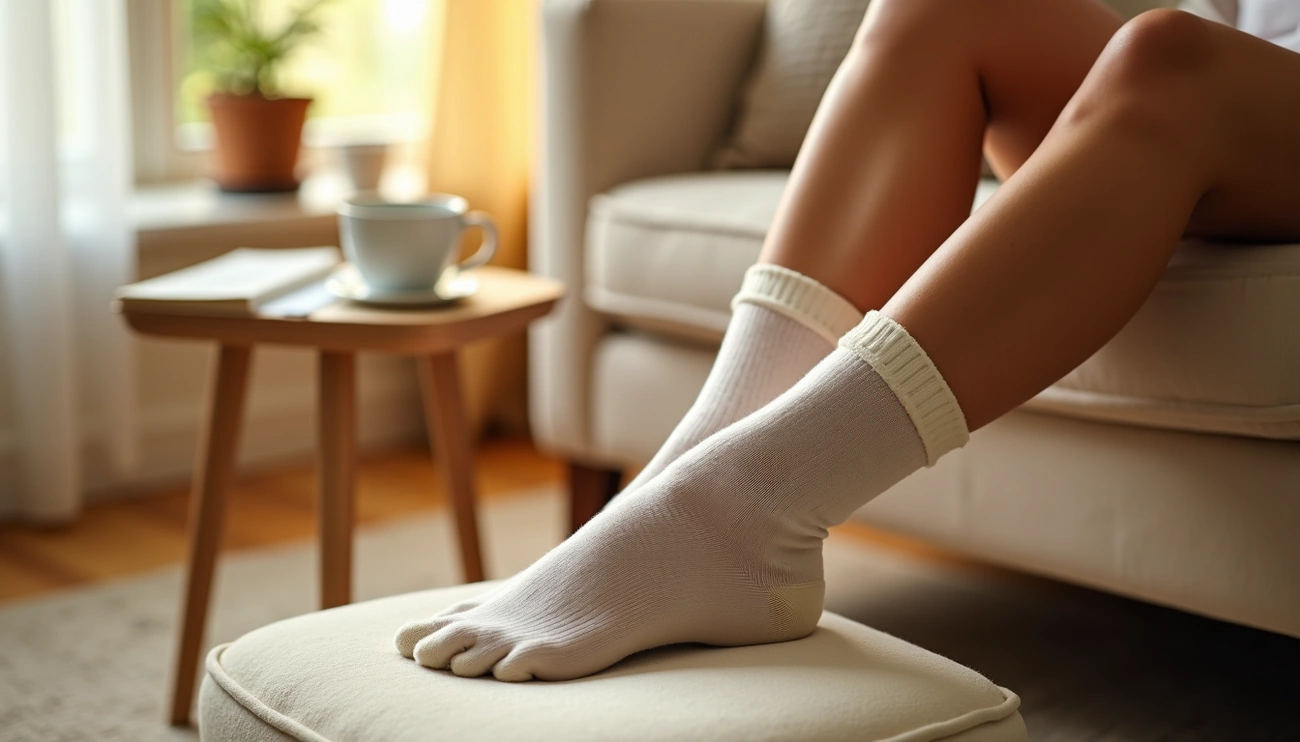
Non-binding socks are loose-fitting socks designed to improve circulation by preventing tight pressure around the leg. They feature a stretchy, elastic-free top band and seamless design that reduces red marks and discomfort. Many non-binding socks use cotton and spandex and help people with diabetes, edema, neuropathy, or swollen ankles.
What Are Non-Binding Socks
Non-binding socks are specially designed footwear made without an elastic band at the top. Often called diabetic socks, these promote circulation and prevent blood from collecting in the ankles and feet. The design addresses a problem most people don’t consider when pulling on their daily socks.
Non-Binding vs Regular Socks
Traditional socks rely on a band of elastic to hold them up. While this seems practical, wearing these socks is comparable to wrapping rubber bands around your calves every day of your life. The elastic creates what’s known as the “rubber band effect,” which compromises blood circulation little by little. Over time, this constriction can contribute to blood clots (DVT), varicose veins, and fatigue.
Regular socks also feature seams that rub against the skin, causing blisters and ulcers. Their elastic bands feel tight around calves, impairing blood flow and causing discomfort. In reality, the tightness most people accept as normal can be dangerous for anyone at risk for circulatory problems.
Non-binding socks eliminate these issues by avoiding pressure on the leg and reducing constriction, which allows blood to flow more easily. They fit loosely around the ankle and calf, providing a relaxed fit that promotes circulation and mitigates health issues from restricted blood flow. The close fit prevents loose fabric from rubbing against your skin and causing blisters.
What Are Non-Binding Socks Made Of
Instead of relying on a singular piece of elastic, non-binding socks are made of a cotton/nylon/spandex blend that evenly distributes tightness around your leg. This material combination provides both comfort and functionality. The flexible fibers and smart construction deliver a secure fit without restricting circulation.
The fabric blend is ultra-soft yet highly breathable, wicking away moisture to keep feet cool, dry, and fresh. This moisture control prevents fungal growth and odors.
How Non-Binding Socks Stay Up
The question I hear most often is how these socks stay up without elastic. The answer lies in their construction. Rather than cutting off circulation at the top, the cotton/nylon/spandex blend evenly distributes gentle pressure around your entire leg. The flexible weave allows the socks to expand easily without digging into skin or restricting movement.
They use gentle stretch and flexible fibers to prevent slipping while maintaining healthy circulation. The result is a sock that stays in place without squeezing, leaving no pressure, no pinching, and no red marks.
Why Your Feet Need Non-Binding Socks
Tight elastic bands don’t just leave marks on your skin. They create real health problems that most people ignore until symptoms worsen.
Improved Blood Circulation
With a non-restrictive top, non-binding socks allow for optimal circulation, ensuring a relaxed fit that doesn’t squeeze or leave marks. The loosely knit design avoids restricting circulation, which means blood flows freely in your legs and feet. Accordingly, this prevents blood from pooling in the lower legs, a common issue with traditional socks that squeeze too tightly.
Wearing tight socks adversely affects circulation, creating both circulation restriction and foot irritation. Non-binding tops promote healthy blood flow, making these socks a great choice for those with circulation concerns.
Prevention of Swelling and Edema
Non-binding socks gently stretch as your legs swell, instead of squeezing tighter. This feature addresses edema directly. The stay-up, non-binding tops do not constrict around the calf and ankle areas, allowing fluid to circulate instead of building up.
Reduced Risk of Varicose Veins
Varicose veins occur when blood collects behind the small valves in your veins instead of flowing smoothly back to the heart. By promoting proper circulation, non-binding socks help reduce the risk of developing these bulging, enlarged veins. They work to prevent swelling, fatigue, and achiness in your legs.
Comfort for Sensitive Feet
Socks with rough seams adversely affect foot comfort, creating foot irritation. Specifically, seamless toe designs eliminate friction, reducing the risk of blisters. The smooth interiors and soft fabric reduce friction and protect delicate skin.
Extra cushioning acts as a shock absorber to avoid pressure injuries, making walking more comfortable. Moisture-wicking properties help maintain optimal foot hygiene and reduce friction, prevent odor buildup, and promote overall comfort during prolonged wear.
Who Should Wear Non-Binding Socks
Multiple groups benefit from switching to non-binding socks. Understanding your specific needs helps determine whether these socks are right for you.
People with Diabetes
Diabetes causes nerve damage and poor circulation that can be hazardous to your feet. Wearing non-binding socks helps promote blood circulation while reducing moisture and microbial growth that can cause infections. Specifically, these socks serve those requiring special foot care and anyone with diminished sensation and foot sensitivities. The non-constricting design prevents additional pressure on already vulnerable feet affected by neuropathy.
Individuals with Circulatory Issues
Those with varicose veins or other vascular conditions find relief with non-binding options. People suffering from poor circulatory conditions benefit from pain and discomfort relief. Non-binding socks provide gentle compression support for those with edema and neuropathy. The relaxed fit allows blood to flow freely, addressing conditions like plantar fasciitis, vascular issues, and cold feet.
Pregnant Women and Travelers
Women carrying a baby experience edema, swelling in the lower legs, ankles, and feet caused by increased blood volume and fluid during pregnancy. Medical professionals recommend these socks as an effective way to reduce pregnancy-related edema and lower your risk of blood clots. Similarly, legs and feet tend to swell while flying or sitting for a long time. Non-binding socks prevent foot swelling by providing ample room for natural expansion and movement, especially during long periods of wear or travel.
Anyone Seeking All-Day Comfort
You don’t need a medical condition to appreciate comfort. These socks are perfect for long workdays or casual relaxation. Anyone wanting premium non-binding socks that are extra comfortable benefits from the relaxed fit design. They’re suitable for those preferring socks that don’t leave marks or cause irritation.
Types and Features of Non-Binding Socks
Different styles serve different purposes. Understanding these variations helps you choose what works best for your situation.
What Are Non-Binding Diabetic Socks
Diabetic socks provide comfort and protection, offering a foot health solution for those with diabetes, edema, or neuropathy. They feature stay-up non-binding tops designed with a soft, relaxed fit that doesn’t inhibit blood flow. Materials typically include 73% bamboo viscose blended with polyester, nylon, spandex, and rubber, or a 58% elastic cotton, 40% polyester, 2% elastane blend. Bamboo viscose has a silk-like feel and is ultra-soft against skin, reducing friction.
What Are Non-Binding Crew Socks
Crew socks are standard mid-calf length socks with non-binding construction. They provide gentle support and medium-weight compression, featuring light cushioning and smooth, flat seams at the toe to minimize irritation.
What Are Non-Binding Compression Socks
Non-binding socks differ from compression socks. Non-binding styles avoid pressure to let your blood flow naturally, while compression socks apply graduated pressure to push blood upward. Some socks combine both concepts, offering mild compression without constricting elastic bands.
Key Features to Look For
When shopping, prioritize seamless toe construction to eliminate friction. Look for moisture-wicking materials that keep feet dry and blister-free, reinforced heels for durability, arch support and cushioned footbeds to fight foot fatigue, and breathable fabric blends.
Conclusion
Now that you understand what non-binding socks are and how they work, you can make an informed choice for your foot health. Whether you’re managing diabetes, dealing with circulation issues, or simply tired of those red marks around your ankles, non-binding socks offer a practical solution. I recommend trying them for yourself, as a matter of fact, the difference in comfort becomes obvious within the first day of wear. Your feet will thank you.