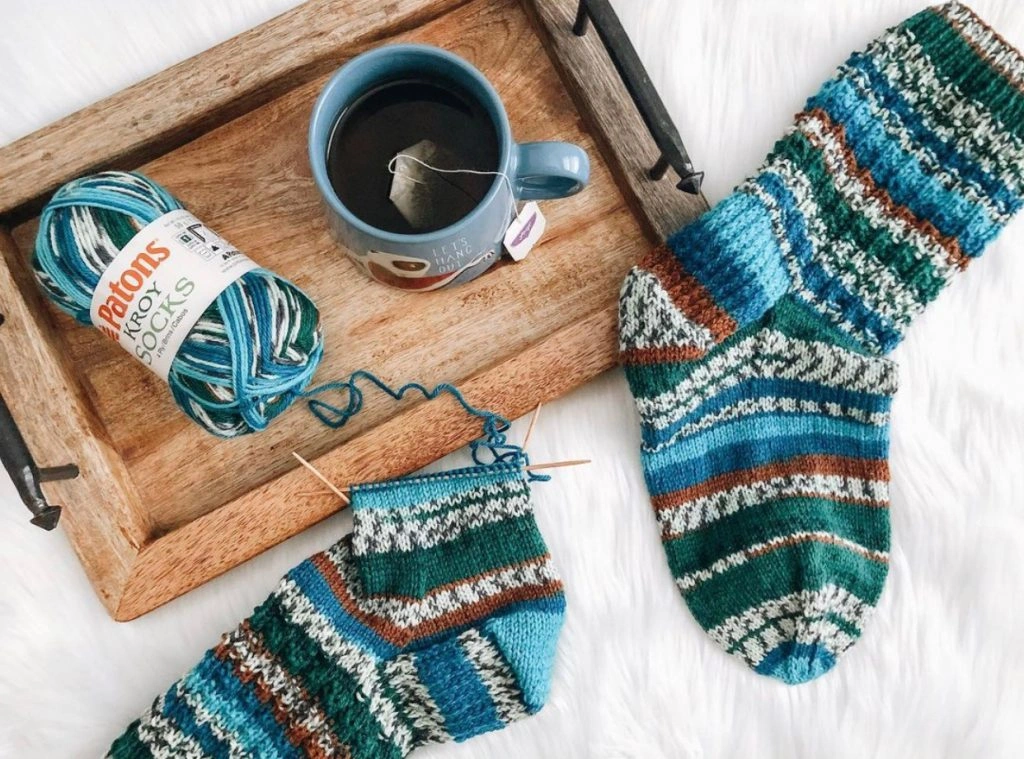

A typical pair of socks weighs about 2 ounces (55–60 grams). Standard ankle or crew socks usually weigh close to this average. Lightweight ankle socks weigh about 1.9 oz (54 g) per pair, while thicker winter or merino wool hiking socks can weigh up to 5 oz (142 g) per pair depending on material and thickness.
How Much Does a Pair of Socks Weigh? (By Type)
Different sock types serve different purposes, and their weights reflect these functional differences.
Athletic Socks
Athletic socks typically weigh around 2 ounces or 60 grams per pair. This standard weight applies to most cushioned crew offerings from major brands. However, the weight of socks in this category can range from 2 to 3 ounces (56 to 85 grams) depending on construction. Lightweight athletic socks designed for running weigh approximately 35 grams per pair, making them ideal for activities where breathability matters more than cushioning.
Dress Socks
In contrast, dress socks are the lightest option in most wardrobes. A typical pair weighs between 1 and 2 ounces (28 to 56 grams). Sheer nylon dress socks designed for formal wear weigh just a few grams, as they prioritize elegance over bulk.
Crew Socks
Crew socks cover your calf partially and weigh between 2 and 4 ounces (56 to 113 grams). On average, you’re looking at 30 to 50 grams (1 to 1.8 ounces) per pair depending on material composition. For comparison, the average crew sock weighs 74 grams (2.6 ounces).
Ankle Socks
Ankle socks sit just above your shoe line and weigh between 1 and 2 ounces (28 to 56 grams). More specifically, these socks average 20 to 30 grams (0.7 to 1 ounce) per pair, though this can increase to an average of 54 grams (1.9 ounces).
Wool and Thermal Socks
Wool socks are considerably heavier due to their insulation properties. A pair typically weighs between 3 and 4 ounces (85 to 113 grams), with some thermal varieties reaching 3 to 5 ounces (85 to 142 grams).
Hiking Socks
Hiking socks show the widest weight range, from 40 to 130 grams (1.5 to 4.5 ounces). The average mid-height crew hiking sock weighs 74 grams (2.6 ounces). Lightweight hiking socks weigh around 60 grams per pair, while thick wool versions can exceed 100 grams. For example, the Darn Tough Hiker Boot Full Cushion weighs approximately 3.5 ounces in a size large, whereas their Light Hiker Micro Crew weighs about 2 ounces in a medium.
What Factors Affect the Weight of Socks?
Several elements determine the weight of socks, from the fibers used to construction details that enhance performance.
Sock Material and Fiber Type
The fabric used is the primary determinant of weight. Cotton, wool, bamboo, and synthetic fibers like polyester or nylon all have varying densities and weights. Merino wool socks might feel heavier due to their thickness, but they are incredibly lightweight when compared to their insulating properties. Cotton is soft and breathable, making it popular for casual wear, though it retains moisture. Wool, particularly merino wool, is celebrated for its insulating properties and moisture-wicking abilities. Bamboo socks offer a lightweight feel without bulk, while synthetic fibers like polyester and nylon provide moisture-wicking and quick-drying properties, making them ideal for high-intensity activities.
Sock Height and Cut
The length of a sock significantly impacts its weight. Ankle socks are the lightest option, covering just the foot and ankle. Crew socks offer more coverage, typically extending to mid-calf, and are heavier than ankle socks. Knee-high socks are the heaviest because they cover a larger area, often made from thicker materials for extra warmth and support.
Cushioning and Padding
The thickness of fabric and cushioning level play a significant role in overall weight. Cushioning gets added during the knitting process through terry loops, which are tiny, densely packed loops of yarn between each stitch. Athletic socks designed for performance often feature additional cushioning and support, which can increase their weight.
Additional Features and Reinforcements
Socks with added features like arch support, cushioning, or moisture-wicking technology may weigh more due to additional materials involved. Reinforced heels and toes add small amounts of weight but enhance performance and comfort.
Understanding Sock Weight Categories: Lightweight vs Midweight Socks
Sock weight classifications can be confusing because they don’t refer to how much socks actually weigh on a scale. In reality, manufacturers use “weight” to describe the yarn thickness used in construction and the relative diameter of that yarn. The finer the yarn, the smaller its diameter.
Ultra-Lightweight Socks
These socks represent the absolute lowest profile, weighing in at around 16.5 microns (human hair is about 100 microns by comparison). Ultra-lightweight socks create a nearly second-skin feeling. They’re designed to be as thin, cool, and breathable as possible. The fineness of the yarn makes them great for activities like running or skiing, where permeability helps regulate foot temperature and keeps feet dry. However, less cushioning means they may not be suitable for higher-impact activities like hiking.
Lightweight Socks
Lightweight socks offer the most versatile option, appearing in practically every sock category from hiking to athletic to lifestyle. They strike a balance between cushioning and breathability for a range of activities. These socks are thin enough to pair with various footwear, including sneakers, casual boots, clogs, or low-profile hiking boots. For hiking, lightweight models weigh between 40-60 grams (1.4-2.1 oz).
Midweight Socks
Midweight socks are the workhorses, providing substantial cushioning and warmth for moderate to cold conditions. They feature more padding and thicker fabric construction. These socks are favored by hikers and outdoor enthusiasts who require both comfort and durability. Some people consider them too warm for summer hiking.
Heavyweight Socks
Heavyweight socks are the warmest option for truly cold weather. Unlike other weight categories that can come with or without cushion, heavyweight socks always include cushion, if not a full cushion of terry loops. A higher yarn weight means more merino content, allowing for maximum merino wool benefits.
Brand Comparison: How Different Brands Stack Up
Different brands approach sock construction with varying philosophies, which reflects in how much does a pair of socks weigh across their product lines.
Darn Tough Socks Weight
Darn Tough produces some of the lightest hiking socks available, with crew height medium size averaging 63 grams (2.2 oz). They use ultra-fine, top-quality merino wool combined with nylon and lycra. Their popular models range considerably: the Solid Crew ultra-lightweight weighs 46g (1.6 oz), the Bolt Micro Crew ultra-lightweight comes in at 56g (2 oz), the Hiker 1/4 ankle lightweight weighs 65g (2.3 oz), the Micro Crew midweight is 72g (2.5 oz), and the Hiker Boot Sock crew midweight reaches 98g (3.4 oz).
Smartwool Socks Weight
When comparing Smartwool and Darn Tough, Smartwool socks tend to be heavier on average. For instance, if weight matters for your pack, Darn Tough becomes the better choice.
Nike and Athletic Brands
Nike socks weigh approximately 0.5 ounces (14 grams) per individual sock. Their Dri-Fit line uses lightweight fabrics that wick moisture while providing arch support and cushioning.
Farm to Feet and Bridgedale
Farm to Feet and Bridgedale consistently produce lightweight hiking socks. Bridgedale’s Hike Midweight Merino Performance Boot Socks weigh 76g in medium (UK6-8.5), 80g in large (9-11.5), and 90g in extra-large (12+).
Conclusion
Sock weight varies more than you probably expected, from lightweight dress socks at 1 ounce to heavyweight hiking options exceeding 4 ounces. Material, height, cushioning, and brand all play significant roles in determining how much your socks actually weigh. For that reason, we recommend checking specific product weights when every ounce matters for your backpacking trip or travel plans. Whether you’re choosing ultra-lightweight performance socks or thick wool varieties, you now have the knowledge to make informed decisions based on your specific needs.