A standard pair of adult socks requires about 100 grams of fingering-weight yarn, equal to 400–450 yards. One 100 g skein usually makes average-sized socks. Smaller ankle socks may use about 50 g, while larger sizes or calf-high socks can require up to 150 g depending on size and length.
Understanding Sock Yarn Weight
What Yarn Weight Means for Socks
Yarn weight refers to the thickness or diameter of a strand of yarn. This measurement directly affects how much yarn you’ll need for a pair of socks and determines the final fabric density. Essentially, thicker yarn creates bulkier socks and requires fewer meters, while thinner yarn produces finer-gage fabric and demands more yardage.
Fingering Weight (The Standard for Socks)
Fingering weight yarn sits at 14-16 wraps per inch (WPI) and knits to a gage of 27-32 stitches over 4 inches. I work this weight on US size 1-3 needles (2.25-3.25mm), which creates fabric with excellent stitch definition and a comfortable thickness for daily wear.
Most fingering weight sock yarn comes in 100g skeins with approximately 400-450 yards. The typical 4-ply construction provides that just-right balance: light enough for comfort, sturdy enough for lots of wear. Sock yarn differs from regular fingering-weight yarn in construction. Sock yarn frequently includes nylon blended with superwash wool for strength and has three or more plies with tight ply twist. Regular fingering-weight yarns may have fewer plies and less aggressive ply twist.
Sport and DK Weight Options
Sport weight yarn works well for thicker winter socks, with 12 wraps per inch and a knit gage of 23-26 stitches over 4 inches. For instance, a 100g ball of sport weight provides around 320-350 yards.
DK (Double Knit) weight sits on the lighter side of middle weights. It has 11 wraps per inch and knits to 21-24 stitches over 4 inches. One 150g ball of DK sock yarn at approximately 367 yards gives you enough for one pair of thick, warm socks. DK weight provides 230-280 yards per 100g compared to fingering’s 400-465 yards.
Why Yarn Weight Matters
Selecting the right yarn weight impacts both the behavior of the yarn when worked and the overall outcome of your piece. The number of plies affects more than just thickness; it impacts texture, stitch definition, drape, and the final look of your knitted fabric. More plies equal structure and durability, while fewer plies provide loft and drape.
Fiber content matters equally. Wool-nylon blends offer the best combination of ease and durability for socks. Tighter gage produces socks that wear better; at least 9 stitches per inch works better than the standard 8 stitches per inch.
How Much Yarn for a Pair of Socks
Basic Adult Socks Yarn Requirements
Most adult-sized socks require 400-600 meters of 4-ply sock yarn for a pair. For an average-sized pair of adult socks, plan on 100g of fingering weight yarn. One 100g ball makes a man’s sock, size 12, and leaves some yarn remaining. Identically, two 50g balls work for an average-sized pair.
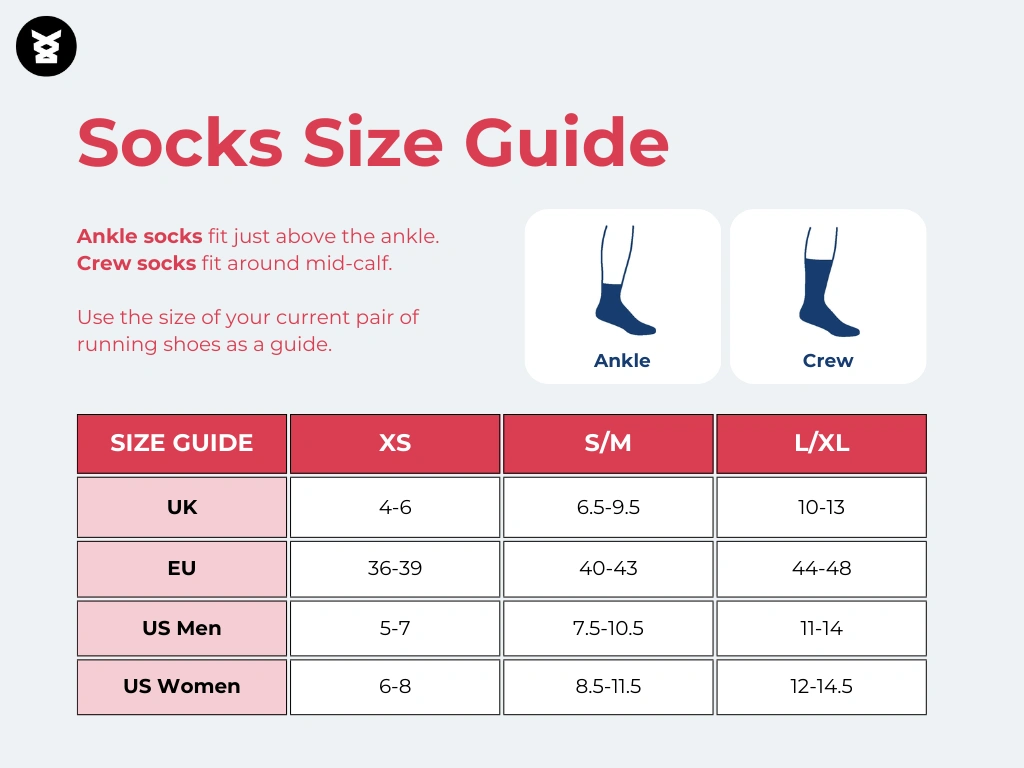
The amount shifts based on foot size. Small socks (sizes 36-38) need about 60-70g, while large sizes (43-46) may require up to 120g. For instance, a size EU 38/US 7 sock uses 60-70g of fingering weight yarn.
Children’s Socks Yarn Amounts
Children’s socks demand considerably less yarn. You’ll need about 50g of yarn to make a pair of child-sized socks. In the same fashion, kids’ socks typically use 200-400 meters, depending on foot size. Fingering weight children’s socks require 50-100g total.
Men’s vs Women’s Sock Yarn Needs
Women’s socks need 100g of fingering weight yarn for basic mid-calf stockinette styles. Men’s socks require 100-150g of the same weight. For worsted weight yarn, you’ll need 150g for a man’s sock. This difference stems from larger foot circumference and longer foot length in men’s sizing.
Ankle vs Crew vs Knee-High Socks
Sock length dramatically changes yarn consumption. Ankle socks made from lightweight yarn require around 40-50 meters. Crew socks need about 60-80 meters, depending on length and thickness. Knee-high socks demand 100-120 meters or more.
For ribbed knee-high socks with an 8-inch foot circumference and 14-inch calf circumference, you’ll need a minimum of 874 yards (800 meters) of fingering weight yarn, totaling 7oz (200g). This breaks down to 2 skeins, each weighing 3.5oz/100g.
Factors That Change Yarn Requirements
Several variables shift how much yarn to knit socks beyond the baseline amounts. Understanding these factors helps you purchase the right quantity for your specific project.
Stitch Pattern Impact (Cables, Ribbing, Colorwork)
Your choice of stitch pattern significantly affects yarn consumption. Stockinette stitch serves as the baseline, but decorative patterns demand additional yardage. For cables, add 15% more yarn. Stranded colorwork requires even more, with 25% additional yarn needed. Ribbed socks also consume more material than plain stockinette because the ribbing pulls the fabric in.
Gage and Fabric Density
Gage and fabric density directly control yarn requirements. The denser the fabric, the more yarn you need. A tighter gage produces stronger, longer-lasting socks. Many patterns recommend US #2 needles, but US #1-1.5 often creates better density. Looser tension requires fewer stitches overall, which translates to less yarn consumption.
Sock Circumference and Length
Four primary factors determine yarn requirements: leg and cuff length, sock circumference, yarn weight, and stitch pattern. Larger circumferences demand more stitches around the sock tube, increasing total yardage. Similarly, longer legs require additional rows of knitting. If you make large men’s socks, you might need more than the standard 100g.
Yarn Thickness and Ply Count
Ply count affects how much yarn for a pair of socks you’ll ultimately use. Ply refers to how many individual strands are twisted together. The number of plies impacts texture, stitch definition, drape, and the final fabric appearance. More plies equal structure and durability, while fewer plies provide loft and drape. Thicker yarn creates heavier skeins for the same meterage. With attention to yarn construction, cabled patterns benefit from plump, high-twist yarns, preferably 3-ply or 4-ply.
How to Calculate Yarn Needs Without Guessing
Using Yarn Labels and Yardage Information
Start with the yarn label. Look for two critical pieces of information: how much yarn in meters or yards you get in each skein and how much it weighs in grams or ounces. For instance, if a pattern requires 800 meters of DK yarn and your yarn label says each skein contains 200 meters, you’ll need 4 skeins. Yarn comes in 50g, 100g, 150g, or 200g skeins, so double-check the yardage when buying.
The 100g Rule of Thumb
The rule of thumb states that for an average pair of adult socks you need 100g of sock weight fingering yarn. This standard applies to basic mid-calf stockinette adult socks. If you use thicker yarn, make large men’s socks, or work a stitch pattern that consumes more yarn, you might need additional yardage.
Adjusting for Different Sock Styles
Adjust your calculations based on construction details. Patterns often provide guidance on yardage requirements for specific designs.
Toe-Up vs Cuff-Down Considerations
Toe-up construction maximizes yarn usage. If you’re running low, simply adjust the cuff length. You can knit until your yarn runs out, making this method ideal for precious hand-dyed skeins. When unsure whether you have enough yarn, knit toe-up because adjusting leg length proves easier than modifying foot length.
Conclusion
You now have everything you need to confidently calculate yarn requirements for any sock project. Start with the 100g rule for basic adult socks, then adjust based on your specific pattern, stitch choice, and sock length.
As shown above, factors like cables, colorwork, and sock height change your yarn needs significantly. Keep those yarn labels handy, and remember that toe-up construction gives you flexibility when yarn runs tight.
Stop guessing and start knitting. Your perfect pair of socks awaits!