Yes, compression socks can help manage neuropathy symptoms by improving blood flow and reducing swelling in the legs and feet. They can ease pain, tingling, and discomfort, especially for people with diabetic neuropathy or poor circulation, though they are not a cure.
What is Neuropathy and Why It Matters
Peripheral neuropathy occurs when nerves outside your brain and spinal cord become damaged, creating a cascade of uncomfortable and often painful symptoms. Understanding this condition is crucial since approximately 2.4% of people globally have some form of peripheral neuropathy, with that figure rising to between 5% and 7% among those over 45 years old.
Common causes of neuropathy
Diabetes stands as the most common culprit behind neuropathy in the UK, with unmanaged Type 2 diabetes leading the list. In fact, diabetes accounts for approximately half of all peripheral neuropathy cases. The condition becomes increasingly likely the longer you’ve had diabetes, with up to 1 in 4 diabetics experiencing pain from nerve damage.
Beyond diabetes, numerous other factors can trigger neuropathy:
- Excessive alcohol consumption over extended periods
- Vitamin deficiencies (particularly B12, B1, B6, E, and copper)
- Physical trauma to nerves during injuries or surgeries
- Autoimmune conditions like rheumatoid arthritis and lupus
- Infections including shingles, Lyme disease, and HIV
- Exposure to toxins such as lead, mercury, or arsenic
- Certain medications, especially chemotherapy drugs
Notably, in about 30% of cases, doctors cannot identify a specific cause—a condition termed idiopathic neuropathy.
Symptoms that affect daily life
Peripheral neuropathy manifests through three primary symptom categories, each significantly impacting daily functioning. Sensory symptoms often appear first and include pins and needles, numbness, burning or sharp pain (typically starting in the feet), and altered sensitivity to temperature or touch.
Motor symptoms can be equally disruptive, causing muscle weakness, twitching, cramps, and even paralysis affecting one or more muscles. These motor issues can lead to foot drop (difficulty lifting the front part of your foot), making everyday activities like walking and climbing stairs challenging.
Perhaps most overlooked are the autonomic symptoms, which affect involuntary bodily functions. These include constipation or diarrhea, digestive problems, blood pressure fluctuations, excessive or insufficient sweating, and sexual dysfunction.
For older adults especially, neuropathy can markedly reduce physical, social, and emotional functioning. Studies show that diabetic patients with peripheral neuropathy experience significantly reduced quality of life compared to diabetic patients without the condition. The chronic nature of these symptoms often leads to depression, anxiety, and social isolation.
Why circulation plays a key role
Blood flow to nerves is fundamental to understanding both why neuropathy occurs and how compression socks help with neuropathy. When blood flow to nerves becomes compromised, a destructive cascade begins—starting with metabolic stress due to oxygen deficit, followed by structural damage to nerve fibers, and ultimately resulting in functional loss.
Research confirms that changes in cutaneous blood flow appear relatively early in diabetic peripheral neuropathy. The relationship between circulation and nerve health explains why many wonder whether compression socks help with nerve pain. Consequently, without adequate blood supply, nerves cannot heal properly, and symptoms worsen.
Interestingly, peripheral blood flow patterns differ between painful and non-painful neuropathy. Studies have shown that blood flow in the feet of diabetic patients with neuropathy can increase up to five times above normal levels. Moreover, reducing this abnormally high blood flow was associated with reduced neuropathic pain in patients with painful neuropathy.
This critical connection between circulation and nerve function forms the foundation for why many healthcare providers consider whether compression socks are good for neuropathy patients.
How Compression Socks Work for Nerve Health
Understanding how compression socks actually help nerve health requires looking at the science behind these specialized garments. The physiological effects extend beyond simple comfort, offering multiple pathways to potentially alleviate neuropathy symptoms.
Graduated pressure and blood flow
Unlike regular socks, compression socks apply a specific pressure pattern to your legs and feet. This isn’t random pressure—it follows a calculated gradient that works with your body’s natural systems. The pressure is strongest at the ankle and gradually decreases as it moves up the leg. This smart design mimics the natural way blood should flow against gravity.
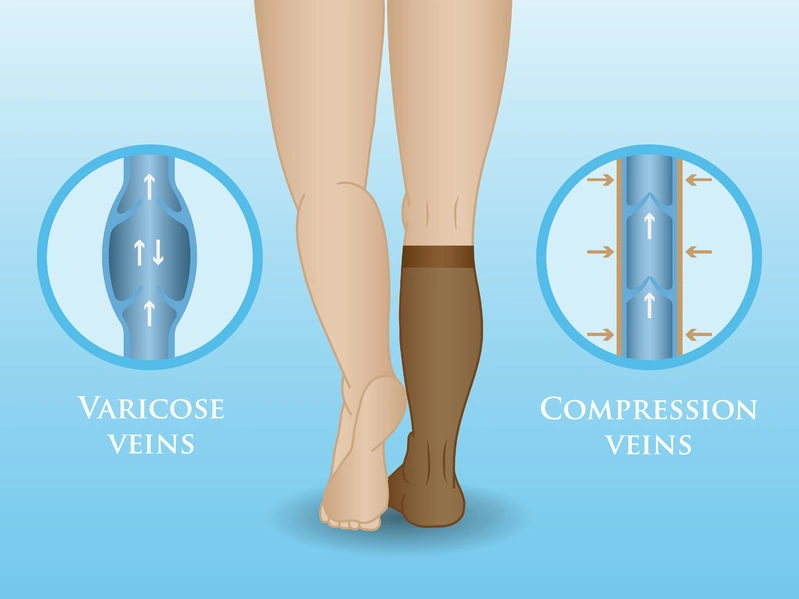
The science is straightforward: external pressure compresses the veins, reducing their diameter. As the veins narrow, blood velocity increases, encouraging return flow to the heart and preventing pooling in the lower extremities. This graduated compression creates a gentle pumping action that:
- Forces blood upward toward the heart rather than allowing it to collect in the feet
- Decreases venous pressure, which can improve the arteriovenous pressure gradient
- Creates conditions that may help dilate arterial vessels
Furthermore, this enhanced venous return has been confirmed by numerous studies showing increased mean deep venous velocity and improved venous return in patients wearing graduated compression stockings.
Reducing swelling and fluid buildup
For many people with neuropathy, swelling compounds their discomfort by placing additional pressure on already sensitive nerves. Compression socks address this problem through consistent, external pressure that counteracts fluid accumulation.
By maintaining steady pressure against tissues in the lower extremities, compression socks help prevent edema (swelling). This reduction in fluid buildup serves multiple purposes for neuropathy patients:
First, it alleviates mechanical pressure on surrounding nerves that intensifies numbness, tingling, and pain. Second, preventing fluid accumulation makes movement easier and reduces discomfort caused by swollen limbs. Third, throughout the day, this consistent compression helps maintain reduced swelling between treatment sessions.
Research confirms that compression therapy effectively moves fluid and prevents it from accumulating, creating a more hospitable environment for nerve function and recovery.
Supporting oxygen delivery to nerves
Perhaps most important for nerve health is how compression socks improve oxygen delivery to damaged tissues. Proper nerve function and healing depend on receiving adequate oxygen and nutrients.
When blood circulation improves through graduated compression, several beneficial effects occur: oxygen-rich blood reaches nerve tissues more efficiently, metabolic waste products are removed more effectively, and overall tissue oxygenation improves.
Studies have demonstrated that wearing compression sleeves significantly increases tissue oxygen saturation (StO2) compared to no compression. Indeed, research shows StO2 was positively correlated with compression pressure, with increases ranging from +6.9% for the least effective compression to +22.6% for the most effective.
This improved oxygenation creates optimal conditions for nerve health by:
- Delivering essential nutrients to damaged nerves
- Supporting potential healing of nerve tissues
- Reducing fatigue and discomfort associated with poor circulation
Accordingly, while compression socks can’t reverse nerve damage, they create an environment where nerves receive better support through improved circulation, reduced mechanical stress, and enhanced oxygen delivery.
Do Compression Socks Help With Neuropathy?
Many people struggling with nerve pain wonder about real solutions. For those suffering from neuropathy, compression socks offer promising results according to both patient testimonials and clinical research.
Real patient experiences and feedback
Patient satisfaction with compression socks remains consistently high. Surveys indicate that 9 out of 10 users would recommend compression socks to others dealing with neuropathy symptoms. Individuals with diabetic neuropathy frequently report that the uncomfortable “pins and needles” feeling diminishes significantly after wearing compression socks regularly. As one patient noted, “Thanks to compression therapy, my peripheral neuropathy symptoms were mild”. Although individual results vary, the general consensus among users points toward noticeable symptom improvement.
What studies and doctors say
Clinical research supports these anecdotal reports. A major study tracked 500 patients who wore medical-grade compression socks daily for six months, with 8 out of 10 reporting reduced tingling and numbness in their feet. Another significant finding comes from a long-term perspective—a five-year follow-up study demonstrated that consistent compression sock use helped prevent neuropathy progression in 65% of cases. Doctors and foot specialists often incorporate compression socks into comprehensive treatment plans for nerve pain.
Are compression socks good for neuropathy?
The straightforward answer: for many people, yes. While compression socks aren’t a cure for nerve damage, they serve as valuable tools in managing symptoms and improving daily comfort. Their effectiveness stems from addressing underlying circulatory issues that often exacerbate nerve pain. Nevertheless, results can fluctuate depending on the neuropathy’s cause, symptom severity, and consistency of use. Therefore, consider compression socks as part of a broader care strategy rather than a standalone solution.
Do compression socks help with nerve pain?
Compression therapy specifically targets nerve pain through multiple mechanisms. By reducing swelling around nerves and improving circulation, compression socks alleviate pressure that contributes to burning or sharp pain sensations. Research indicates that approximately 70% of people with neuropathy experience relief when using compression socks. The gentle, consistent pressure can “quiet” overactive nerves by providing a soothing external sensation. Furthermore, they help nourish nerves with oxygen and nutrients, which may minimize tingling, numbness, and burning discomfort.
Choosing the Right Compression Socks for Neuropathy
Selecting appropriate compression socks plays a crucial role in managing neuropathy symptoms effectively. Finding the right balance of pressure, fit, and comfort ensures you receive maximum therapeutic benefits without additional discomfort.
Compression levels: mild to firm
The pressure level of your socks, measured in millimeters of mercury (mmHg), directly impacts their effectiveness for nerve pain. For mild neuropathy symptoms, starting with lighter compression (15-20 mmHg) often provides sufficient relief while remaining comfortable. However, for moderate to severe cases, medical-grade compression between 20-30 mmHg typically delivers better therapeutic benefits.
Some healthcare providers recommend stronger compression (30-40 mmHg) for peripheral neuropathy patients, but this higher level should only be used under medical supervision. The difference between compression levels isn’t merely about strength—graduated compression applies more pressure at the ankle, gradually decreasing as it moves up the leg, which promotes optimal circulation.
Fit and sizing tips
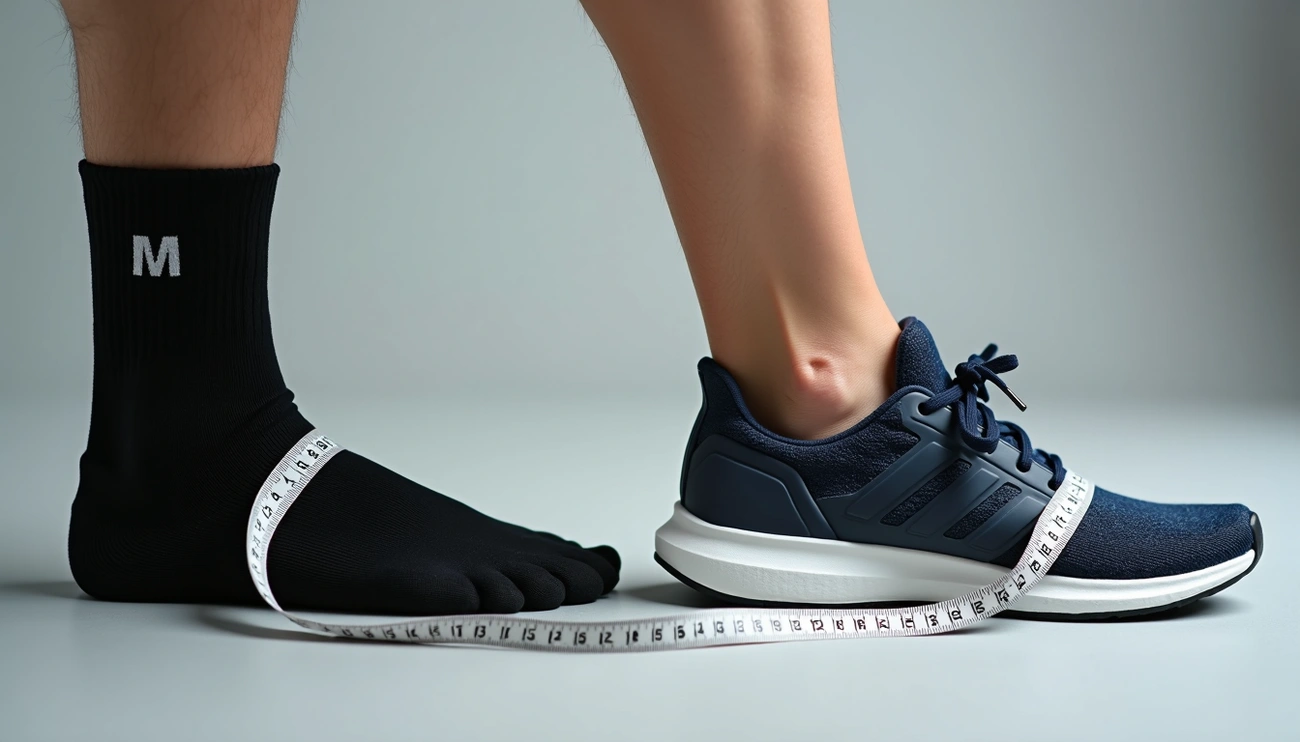
Proper fit remains essential for both effectiveness and safety. Compression socks that fit incorrectly can either restrict circulation (too tight) or provide insufficient support (too loose). Before purchasing, take accurate measurements of your ankles and calves, referring to sizing charts provided by manufacturers.
Put your socks on in the morning when swelling is minimal, checking for wrinkles that could cause uneven pressure points. A well-fitted sock should feel snug but never painfully tight—it should stay up throughout the day without causing discomfort, bruising, or indentations.
Best materials for comfort and breathability
Fabric choice significantly impacts comfort, primarily for feet with heightened sensitivity. Bamboo-derived fibers offer exceptional softness—comparable to silk but more durable—making them ideal for sensitive skin. Other excellent options include nylon, spandex, and merino wool blends that wick moisture away from the skin.
Look for materials with antimicrobial properties that reduce bacterial exposure, helping prevent infections—a serious concern for neuropathy patients. Breathable fabrics keep feet dry and comfortable throughout extended wear periods, minimizing skin irritation risks.
Seamless and non-binding designs
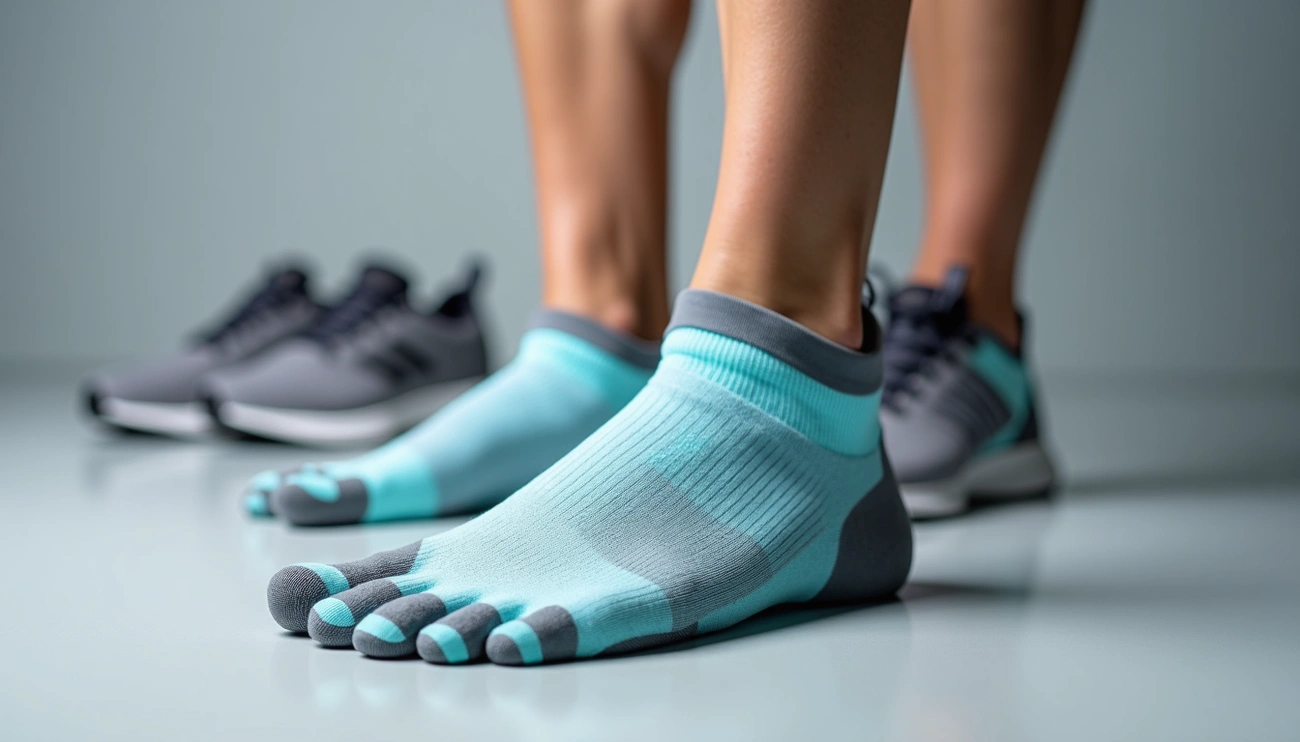
Structural design features are equally important as material and compression level. Seamless toe construction prevents friction and irritation at pressure points where nerves may be most sensitive. This seamless approach helps avoid the development of blisters or wounds that could become problematic, especially for those with reduced sensation.
Furthermore, non-binding top bands ensure socks stay in position without creating dangerous pressure bands around the legs. Extra padding in strategic areas like the heel and arch provides additional protection for sensitive feet while enhancing overall comfort.
Regular inspection of your feet remains vital after wearing compression socks, particularly if you have reduced sensation. Check for any signs of irritation, redness, or sores that might indicate your socks aren’t providing the proper fit or support.
When to Use, What to Avoid, and Safety Tips
Safety comes first when considering compression socks for neuropathy. Knowing who should avoid them and recognizing warning signs can prevent complications while maximizing benefits.
Who should avoid compression socks
Despite their benefits, not everyone should use compression therapy. People with advanced Peripheral Artery Disease (PAD) should avoid compression socks as external pressure can further restrict blood flow to the feet and legs. Individuals with severe peripheral neuropathy face increased risks because decreased sensation means they might not notice if socks are too tight. Additionally, those with open wounds, skin infections, or certain severe skin conditions should wait until healing occurs. Patients with congestive heart failure (NYHA IV) should generally avoid compression, as extra venous return may increase pressure on the heart.
Signs your socks aren’t working
Remove compression socks immediately if you notice:
- Persistent numbness, tingling, or new pain
- Skin turning bluish or unusually pale
- Increased swelling instead of reduction
- Redness, indentations, or pressure marks that don’t fade quickly
These warning signs indicate your socks might be too tight or wrong for your condition.
How long to wear them each day
For neuropathy management, most doctors recommend starting with 2-3 hours on your first day. Gradually increase wearing time up to 8-12 hours daily. Unless specifically prescribed otherwise, remove compression socks before sleeping. Ultimately, follow your healthcare provider’s specific guidance regarding duration, as needs vary based on severity and individual response.
Tips for safe and effective use
Put on compression socks first thing in the morning when legs are least swollen. Apply moisturizer to feet and legs each night after removing socks. Check your feet daily for any changes in color or new sores, given that neuropathy may reduce your ability to feel problems developing. Wash socks regularly according to manufacturer instructions to maintain proper compression levels.
Conclusion
Living with neuropathy presents daily challenges, but compression socks offer genuine hope for many sufferers. Throughout this article, we’ve seen how these specialized garments work beyond merely covering your feet—they actively support nerve health through improved circulation, reduced swelling, and enhanced oxygen delivery.
Research clearly demonstrates that most people experience significant symptom relief when using appropriate compression therapy. Nevertheless, finding the right balance remains essential. Selecting proper compression levels, ensuring correct fit, and choosing comfortable materials directly impact your results.