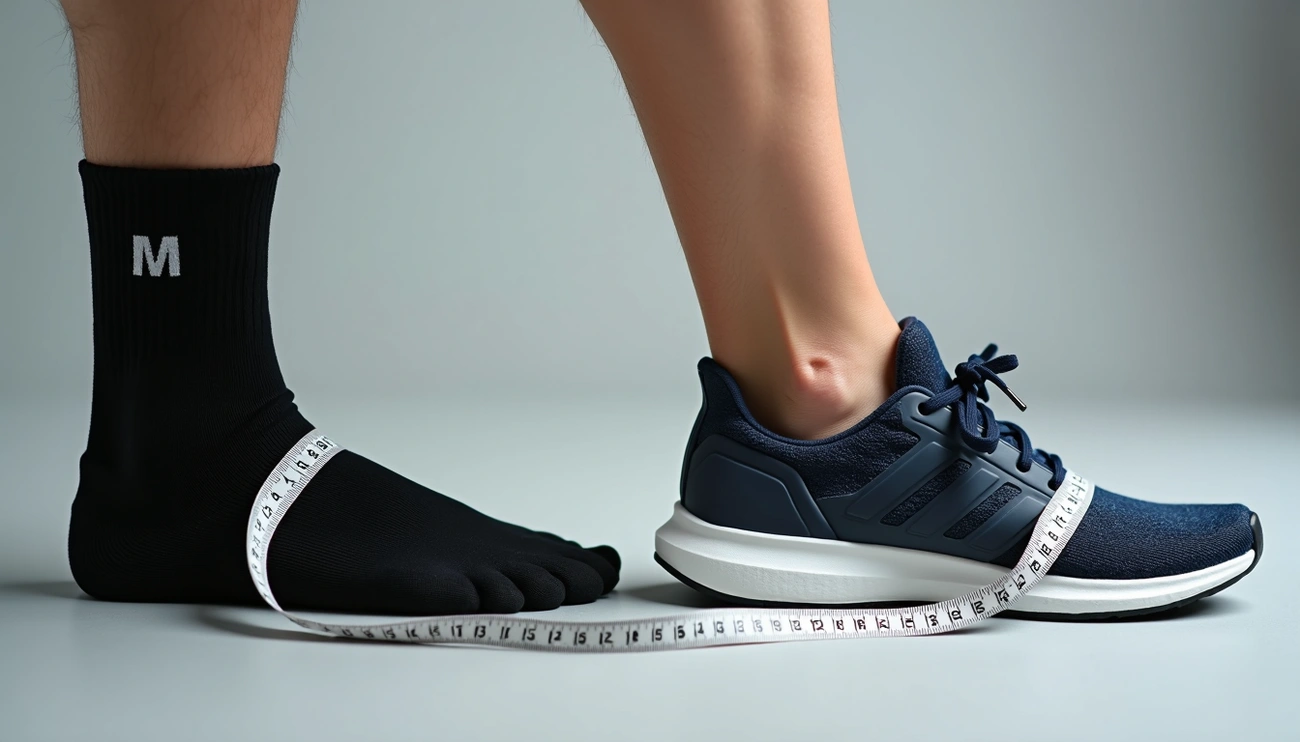
No, sock and shoe sizes are not the same. Sock sizes cover broader ranges, such as a Men’s Large fitting shoe sizes 10–12, because socks stretch and adapt to foot length. Shoes require precise sizing, while socks use ranges or letters like S, M, and L. What’s the Difference Between […]
Blog
14 posts
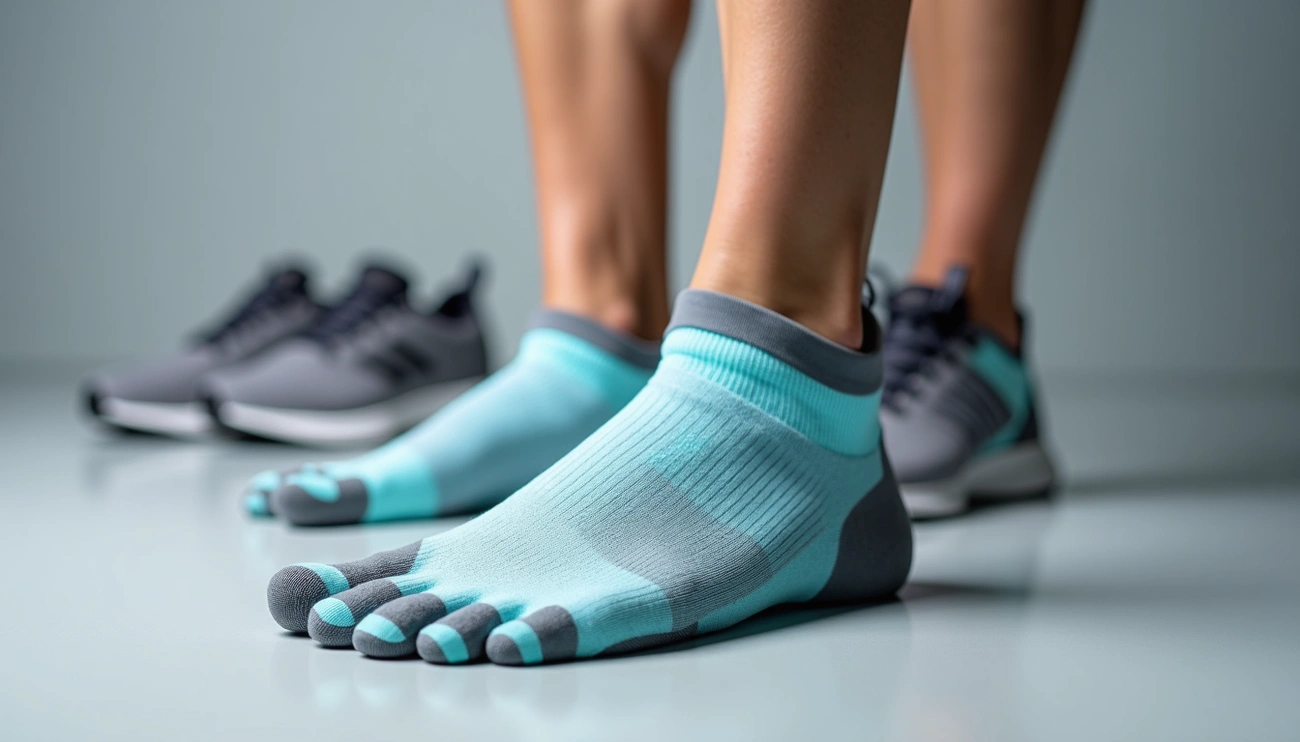
Yes, toe socks are good for running because they prevent blisters by eliminating skin-on-skin friction, improve moisture control, and allow natural toe splay for better balance and stability. Many runners prefer them for long distances or hot conditions despite a short adjustment period. What Makes Toe Socks Different from Regular […]
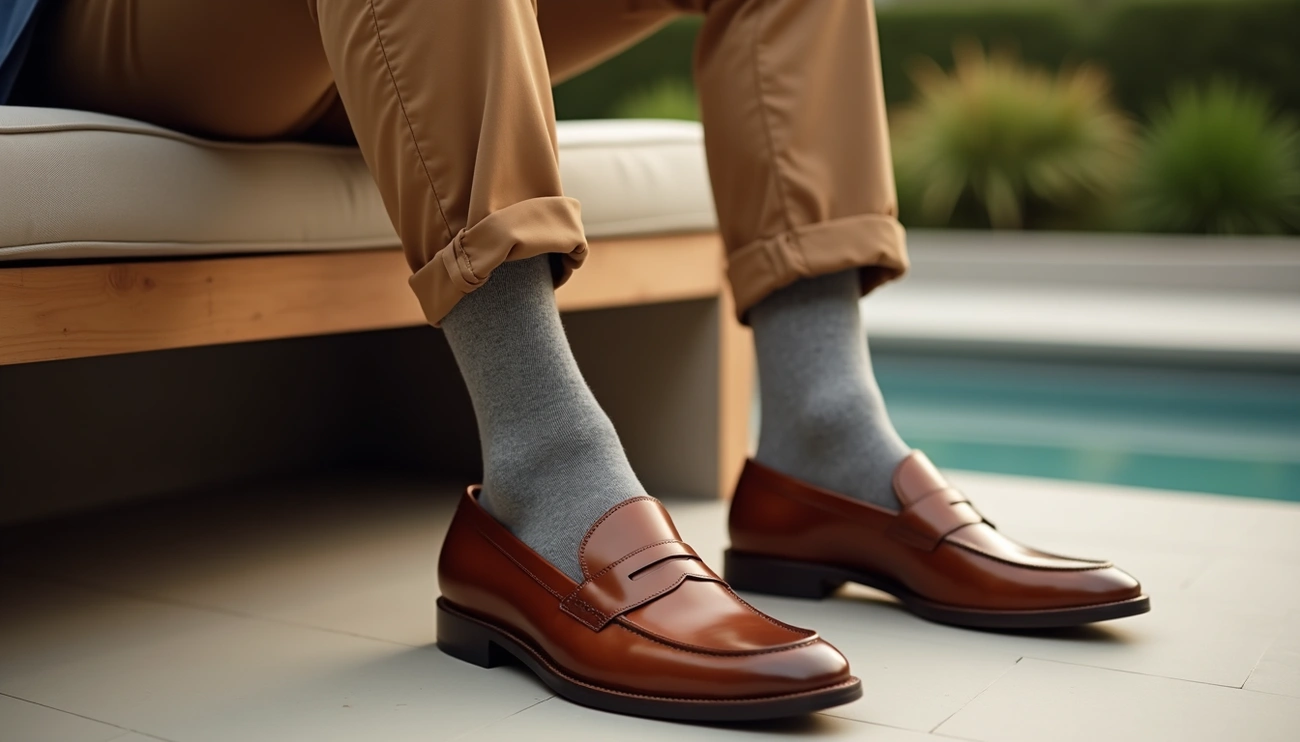
Yes, you can wear loafers without socks for a classic warm-weather look, but wearing no-show liner socks is recommended. Invisible socks prevent odor, reduce sweat, avoid blisters, and protect leather loafers from moisture and bacteria buildup. Can you wear loafers without socks? The sockless loafer look has become one of […]
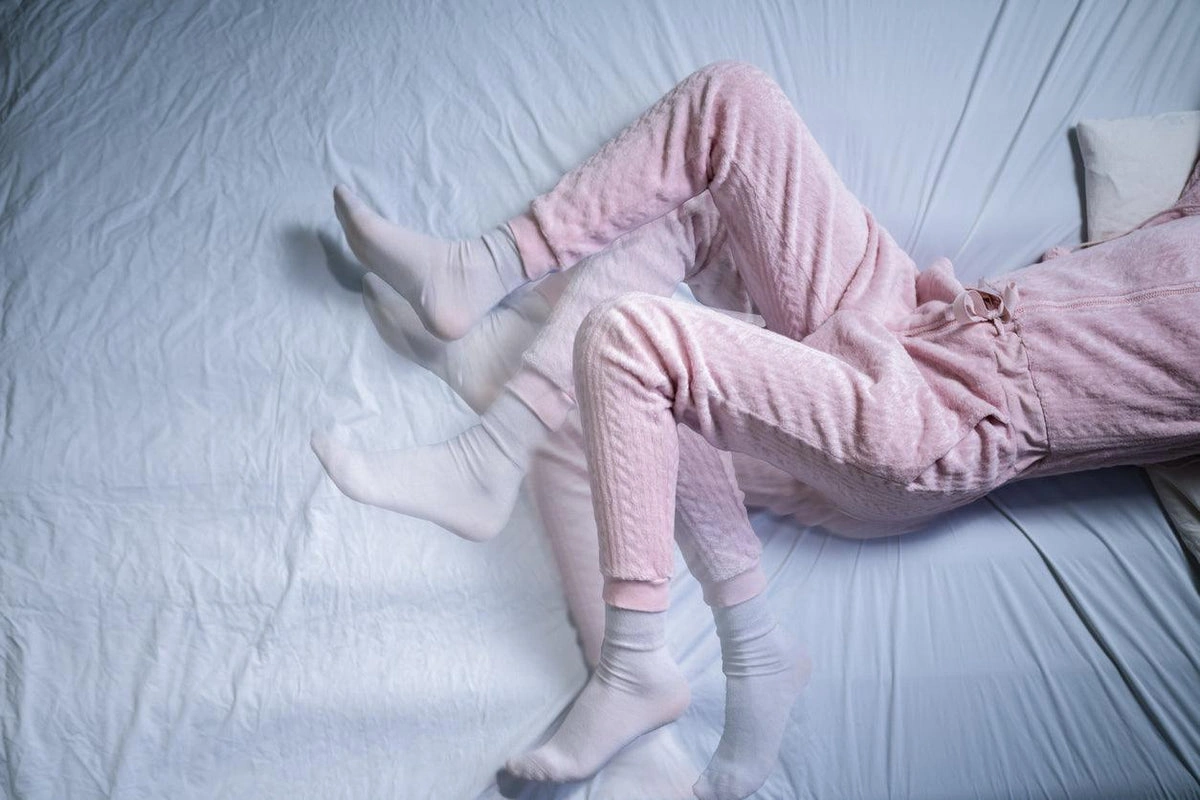
Yes, compression socks can help manage Restless Legs Syndrome (RLS) by improving blood circulation and reducing leg discomfort. Medical-grade compression socks with 15–20 mmHg pressure often ease tingling, burning, and the urge to move, especially at night, improving sleep quality. What is Restless Leg Syndrome (RLS)? Medically known as Willis-Ekbom […]
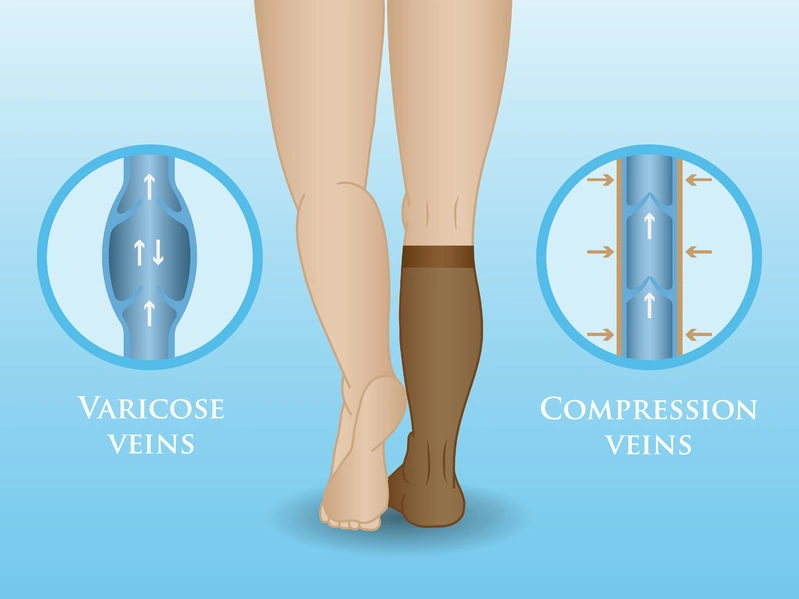
Yes, compression socks can help manage neuropathy symptoms by improving blood flow and reducing swelling in the legs and feet. They can ease pain, tingling, and discomfort, especially for people with diabetic neuropathy or poor circulation, though they are not a cure. What is Neuropathy and Why It Matters Peripheral […]
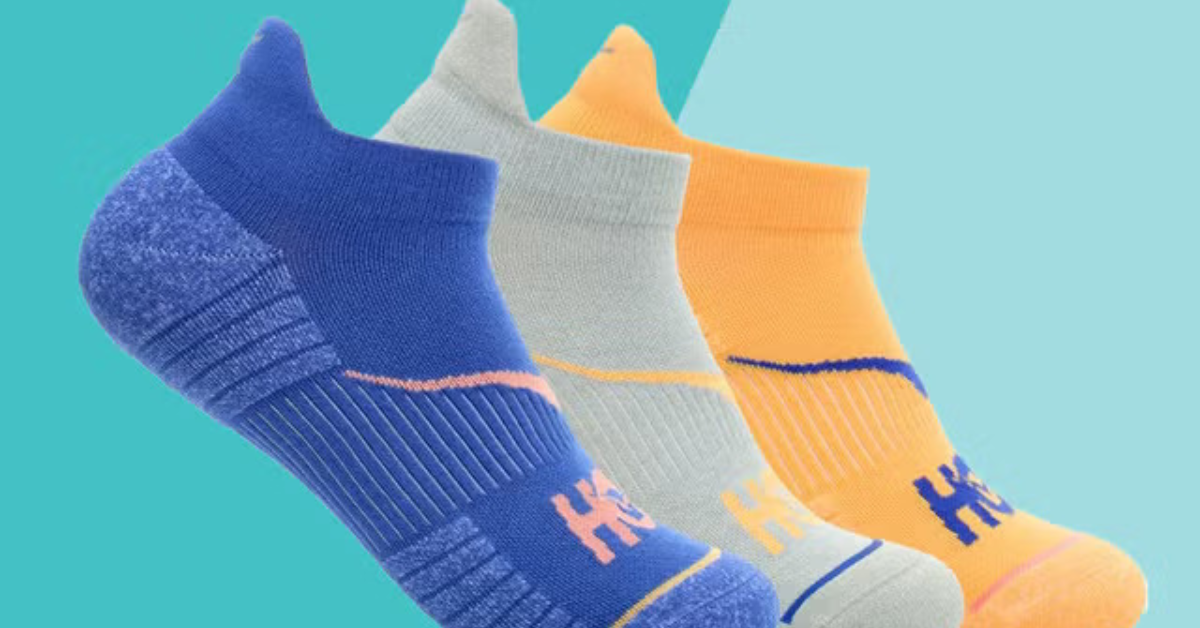
Yes, polyester socks are good for sweaty feet because they wick moisture away from the skin and dry quickly, keeping feet dry and comfortable. Unlike cotton, which traps sweat and increases odor and blisters, polyester improves breathability. Blends like CoolMax enhance moisture control and reduce dampness. Sweaty Feet and Socks: […]
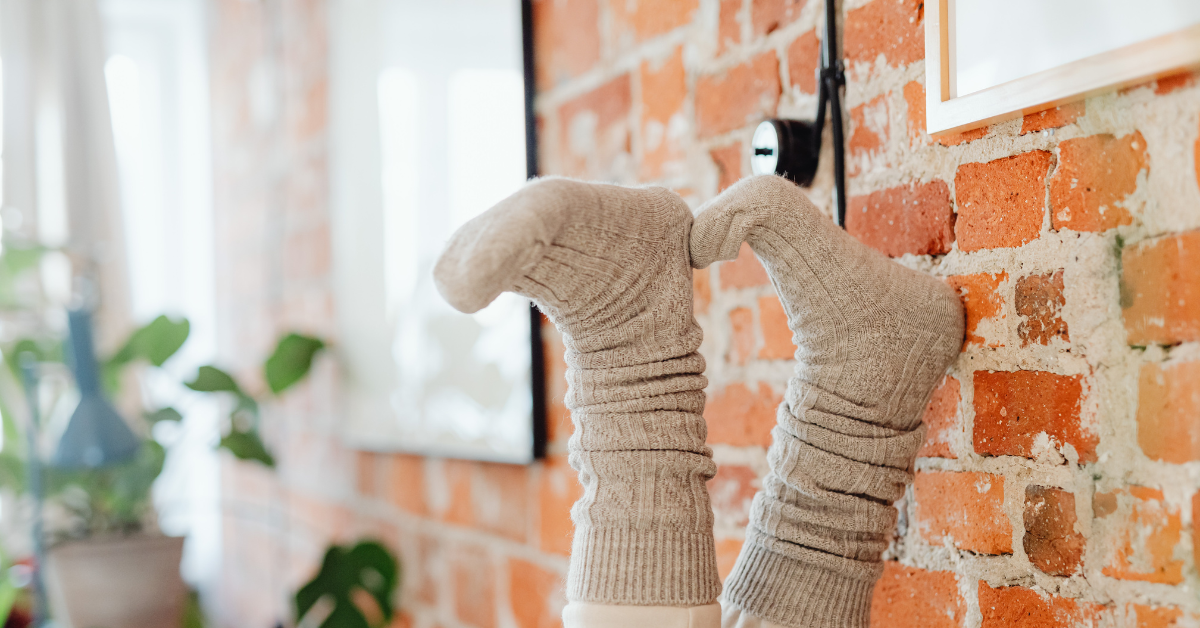
The main difference between compression socks and diabetic socks is pressure versus protection. Diabetic socks are loose, seamless, cushioned, and moisture-wicking to protect sensitive skin and prevent blisters. Compression socks are snug and elastic, applying graduated pressure to improve blood circulation, reduce swelling, and support recovery. Why Socks Matter More […]
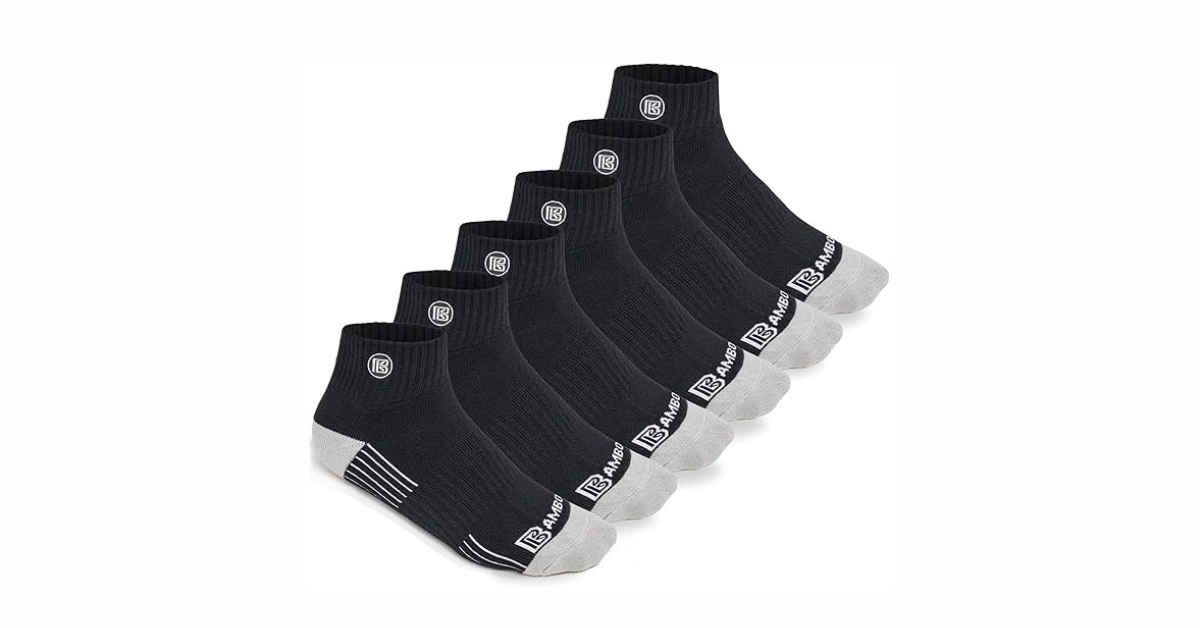
Bamboo socks are good for sweaty feet because bamboo fibers are naturally breathable and highly moisture-wicking. They pull sweat away from the skin to keep feet dry, cool, and odor-free. Bamboo socks also resist odor-causing bacteria and fungal growth, making them more effective than cotton for managing foot perspiration. Can […]
Yes, alpaca socks are exceptionally warm because their hollow-core fibers trap heat more effectively than wool. Alpaca fibers provide superior insulation while remaining lightweight, breathable, and moisture-wicking. This combination keeps feet warm in cold weather and comfortable year-round without overheating. What Makes Alpaca Socks Warm? The unique microscopic structure of […]
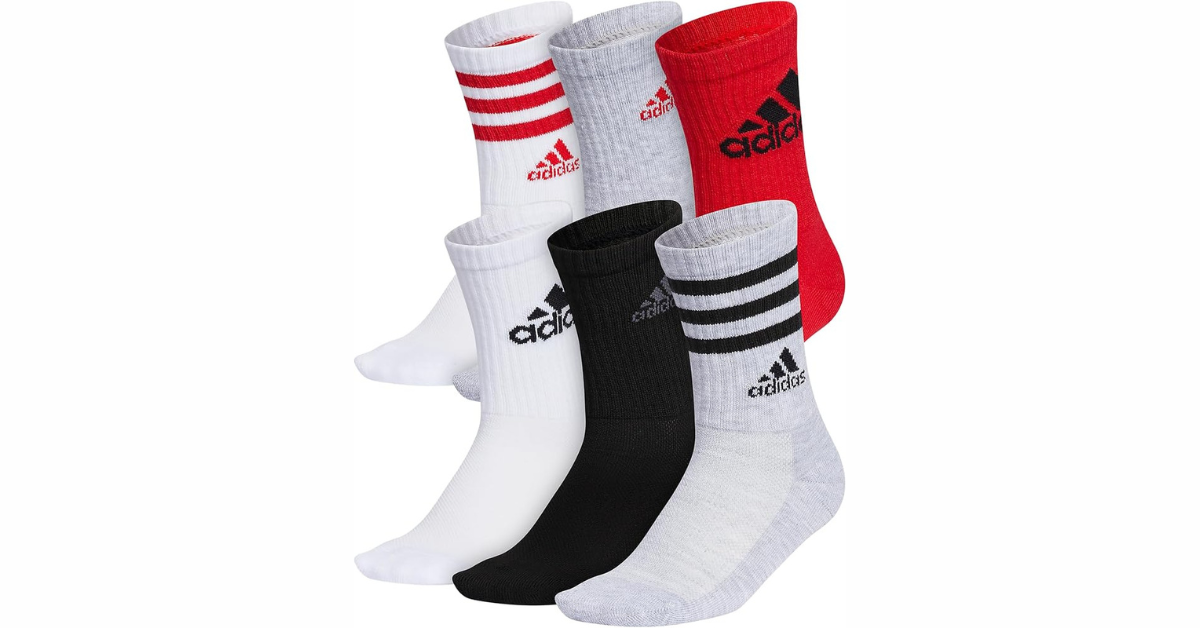
Adidas socks are made from a blend of cotton, polyester (often recycled), nylon, and elastane. The material ratios vary by sock type, including athletic, casual, and performance styles. This core blend delivers moisture-wicking, durability, cushioning, and arch support for comfort during daily wear and sports. The Core Materials Used in […]