
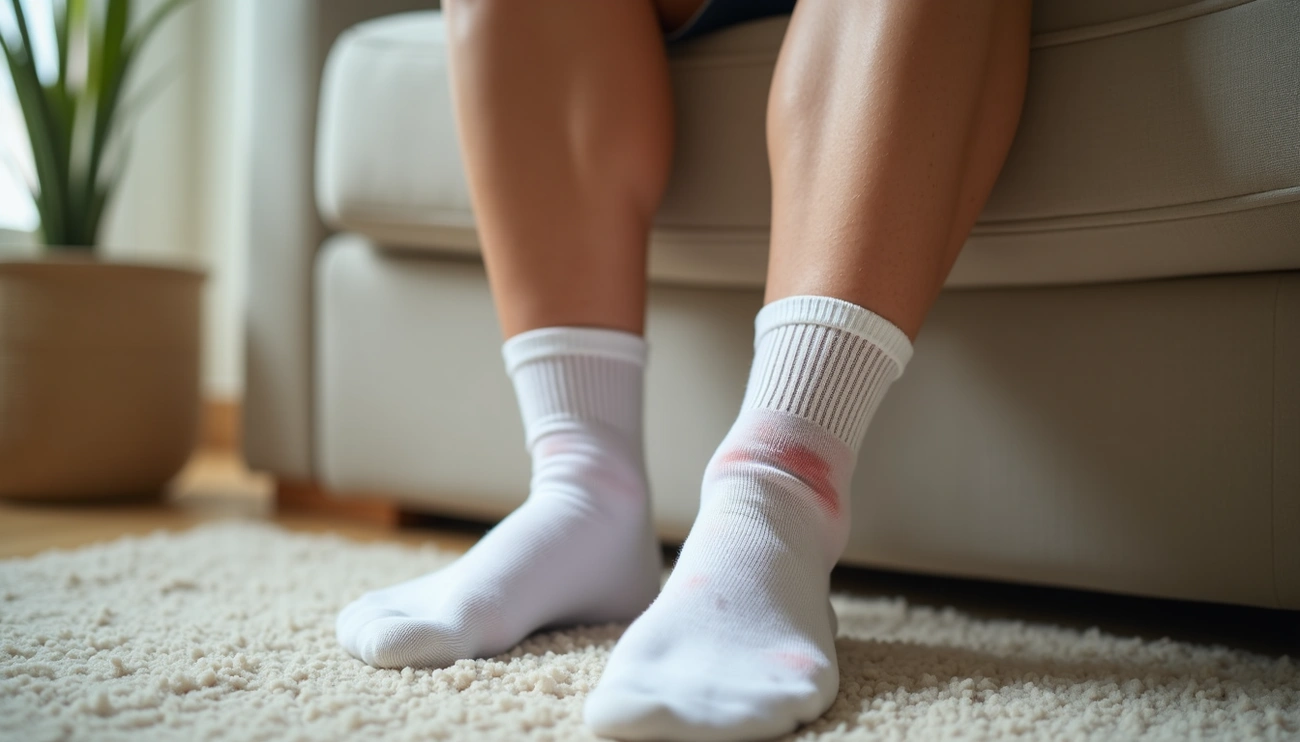
Socks feel tight due to swelling in the lower legs, poor sizing, or restrictive elastic bands. Peripheral edema from prolonged sitting, standing over 6–8 hours, or high sodium intake increases pressure. Socks that are too small or over-compressive reduce circulation and cause discomfort. Common Signs Your Socks Are Too Tight […]
Sock Care
9 posts
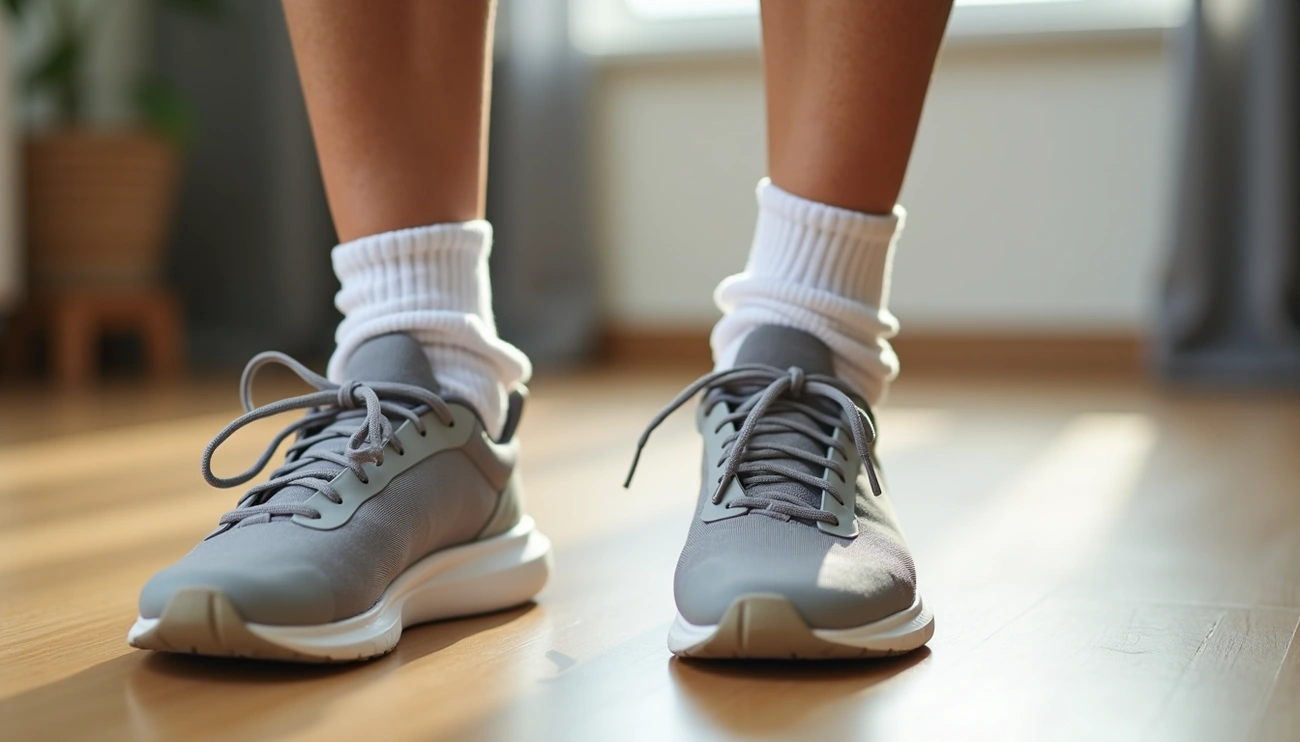
Socks keep falling down due to stretched or weak elastic, incorrect sizing, or improper length. Socks that are too large or mid-calf styles worn incorrectly slip during movement. Poor-quality fabric and friction from walking increase slippage, while mismatched socks and footwear reduce grip and stability. Why Do My Socks Keep […]
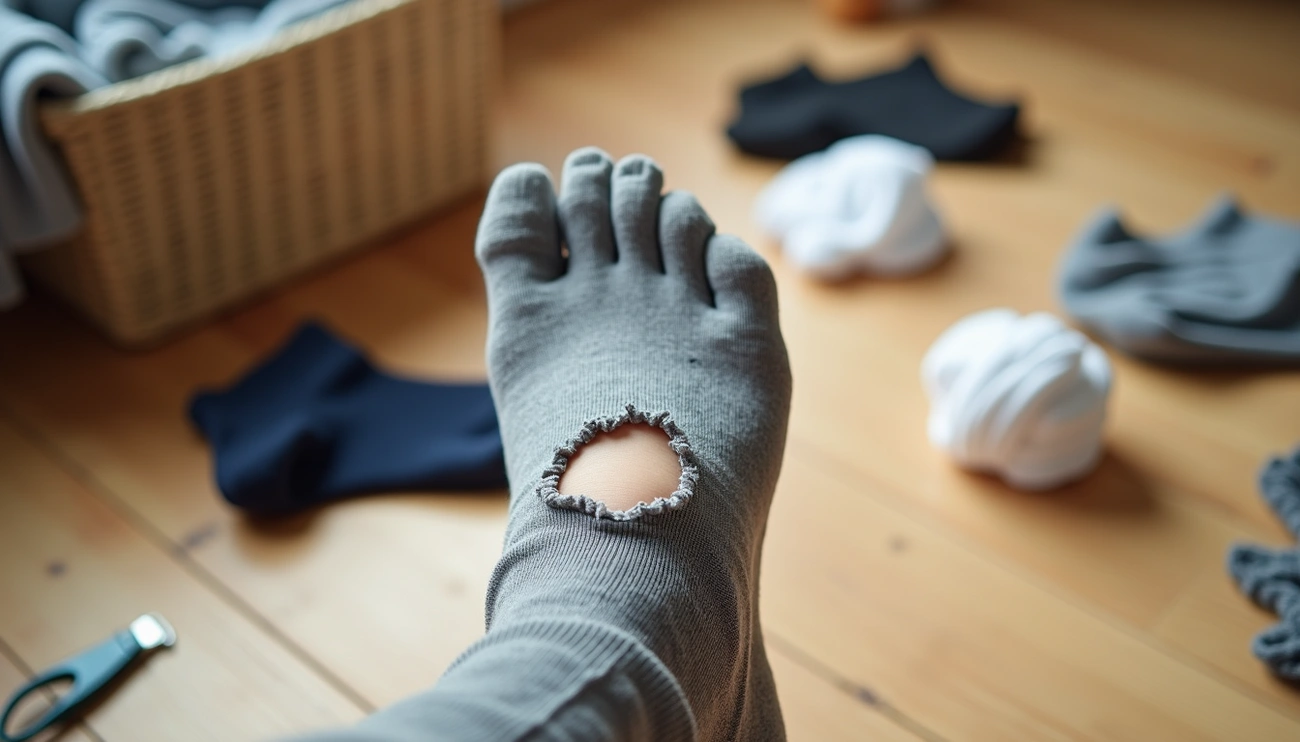
Socks get holes due to friction from walking, rough toenails, or dry skin that abrades fabric fibers. Ill-fitting or thin socks wear faster under pressure points. High-heat drying weakens fibers, while walking on hard floors without shoes increases wear. Most socks develop holes after 6–12 months of regular use. Why […]
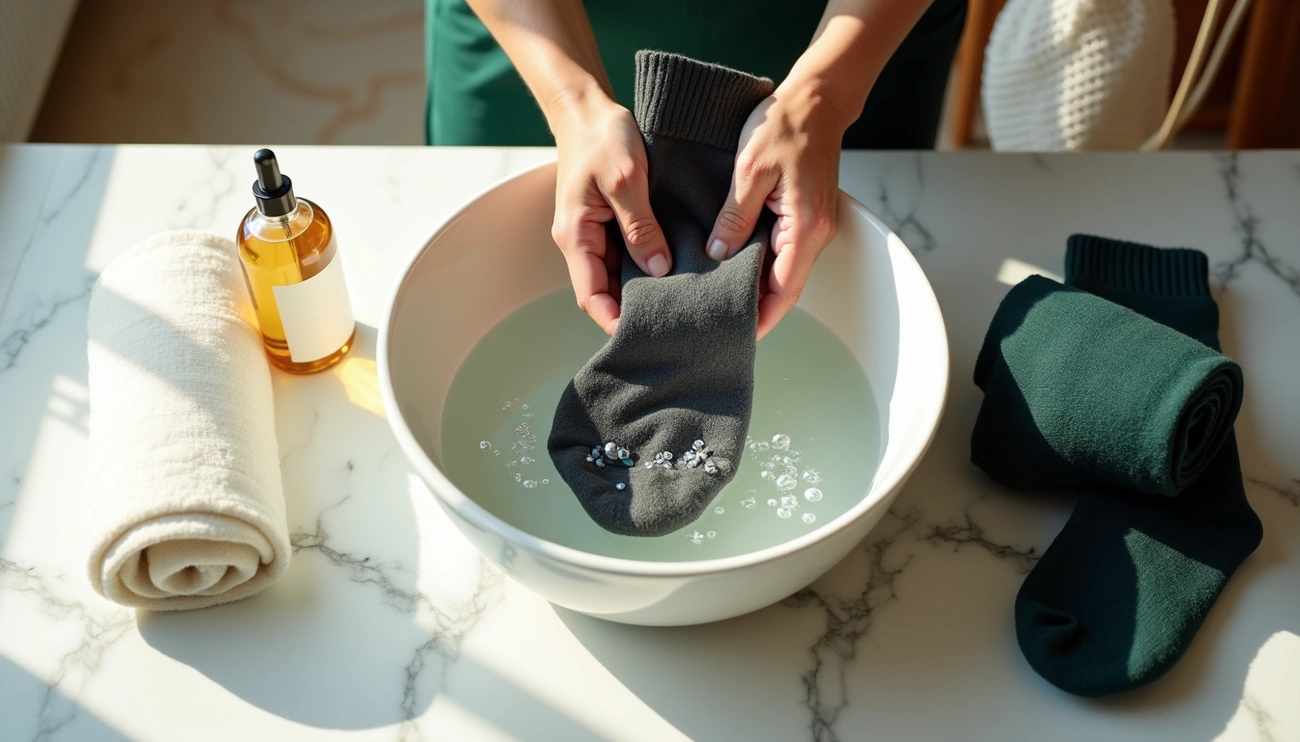
Wash wool socks inside out in cold water using a gentle, wool-safe detergent on a delicate cycle or by hand to protect fibers. Avoid bleach, fabric softeners, and high heat, which cause shrinkage. Air dry socks by laying flat or hanging to maintain shape and durability. How Often Should You […]
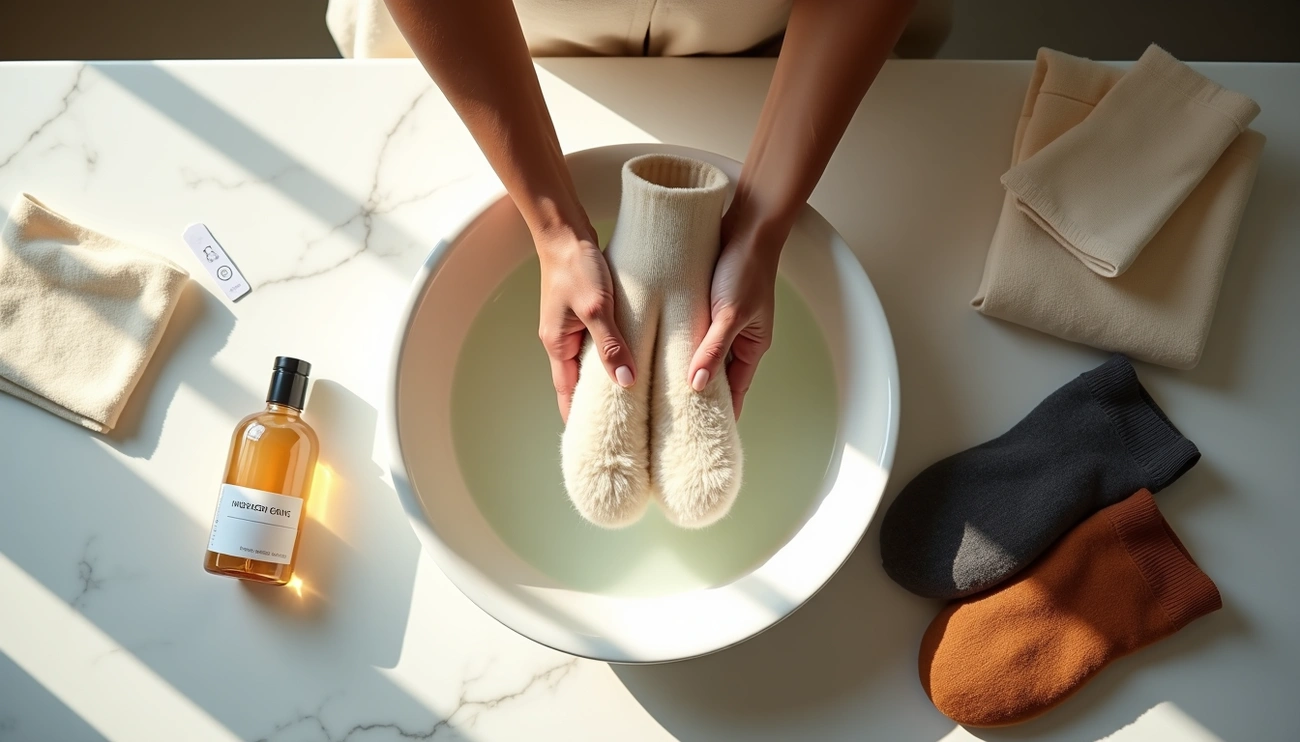
Wash alpaca socks by hand in cool water using mild soap or wool wash. Soak socks for 20–30 minutes without scrubbing. Gently squeeze out water, rinse thoroughly, and lay flat to dry. Avoid wringing, bleach, and hot water to maintain softness, warmth, and durability. Preparing Your Alpaca Socks for Washing […]
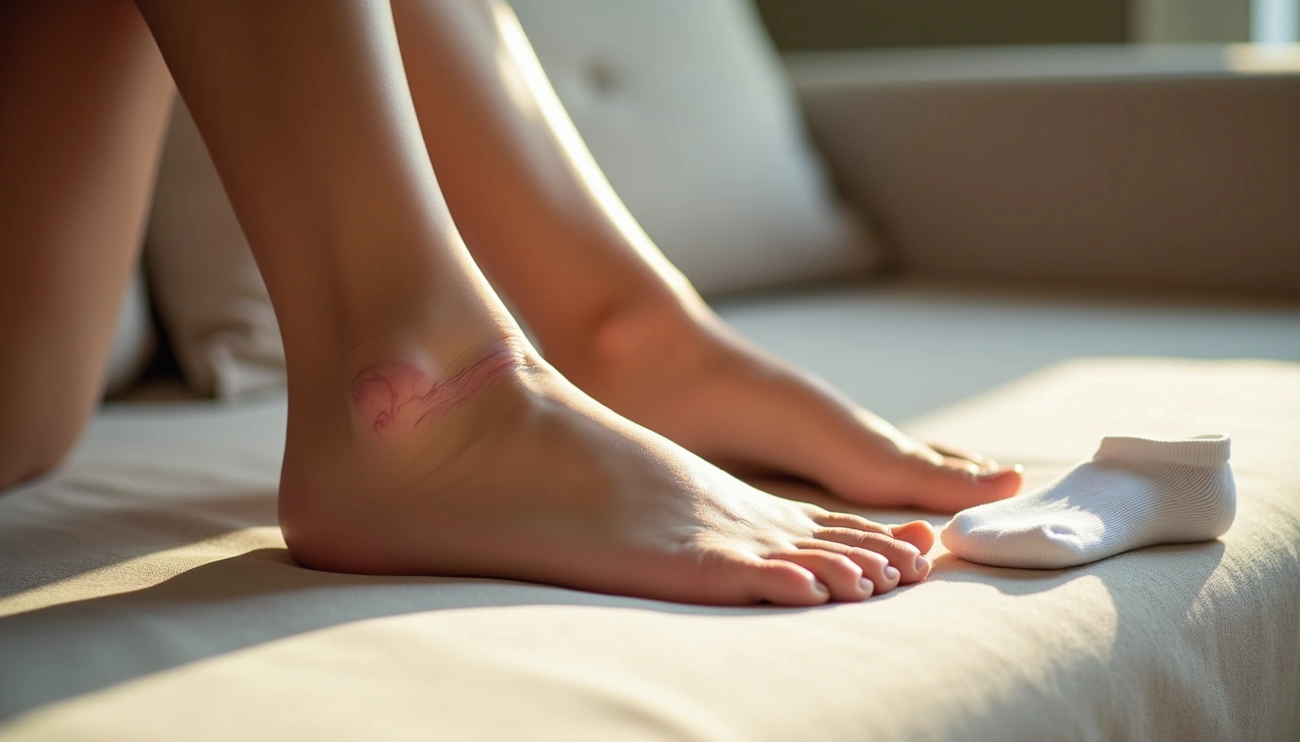
Socks leave marks due to elastic cuffs pressing into skin, especially when socks fit too tight or stay on for 8–12 hours. Mild indentations are common and harmless. Deep, painful marks with swelling may signal fluid retention, poor circulation, or conditions like high blood pressure or kidney issues. What Causes […]
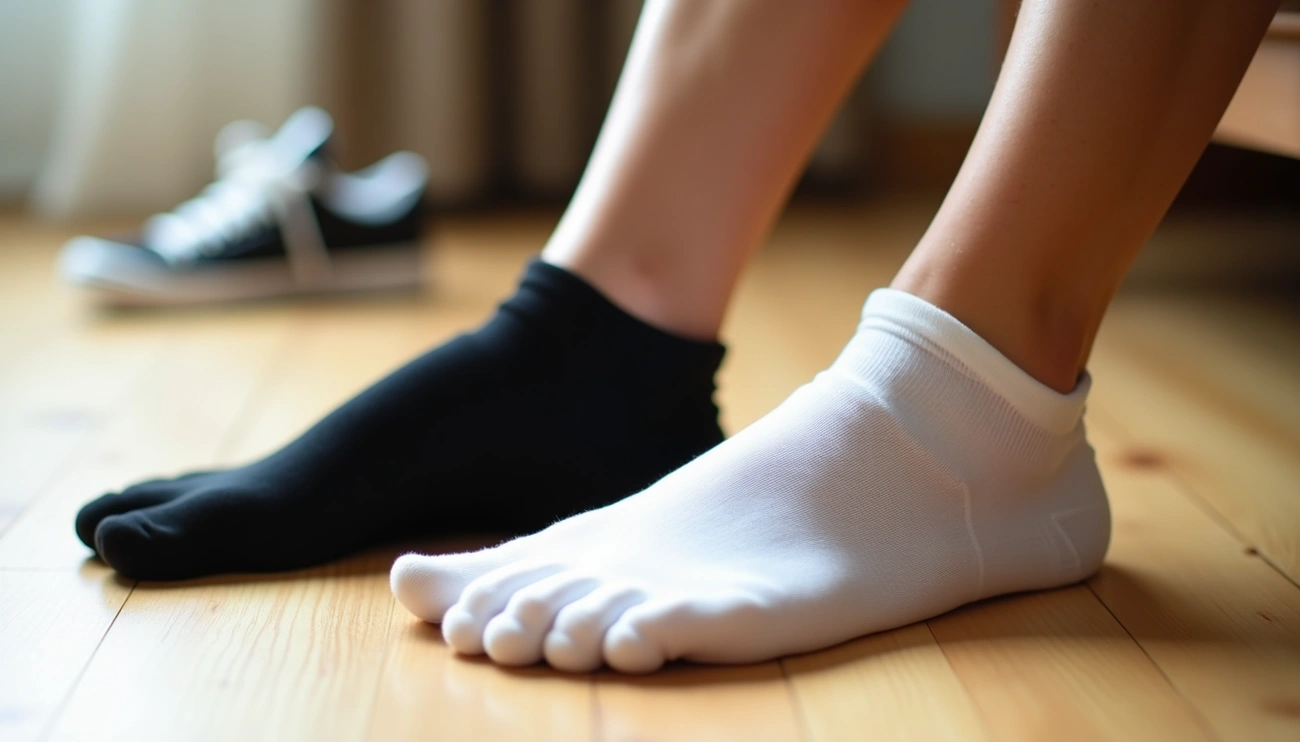
Black socks do not make feet stink more than other colors. Odor increases when socks use synthetic materials like polyester that trap heat and moisture, which promote bacteria growth. Choose cotton or moisture-wicking socks to reduce sweating, odor buildup, and bacterial activity during daily wear. Why Do Black Socks Make […]
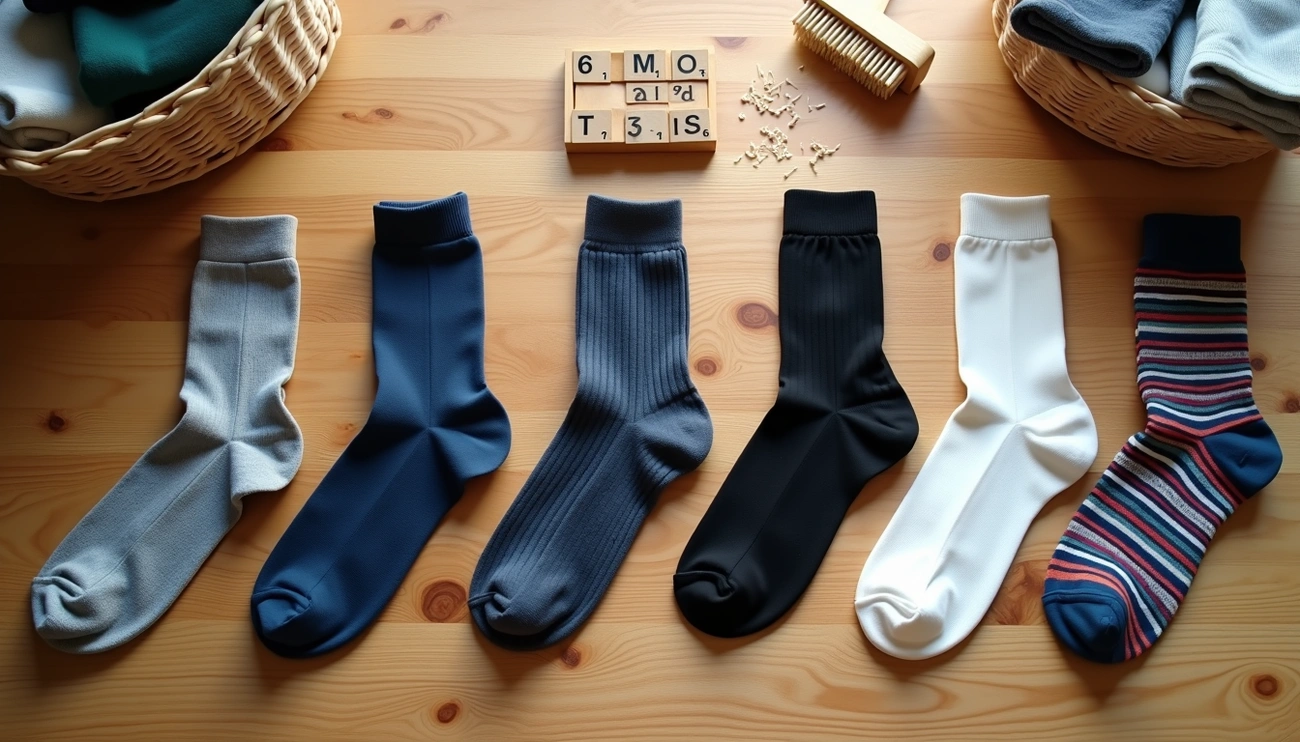
Replace socks every 6–12 months to maintain comfort, fit, and hygiene. Replace socks every 3–6 months with frequent or athletic use due to faster wear. Most performance socks lose cushioning and elasticity after 50 wash cycles, which reduces support and increases friction. Why Sock Replacement Matters for Your Feet Worn-out […]

Wearing double socks prevents blisters by reducing friction and improving moisture control. The inner liner sock moves against the outer sock instead of skin, which lowers irritation. This method works best with a thin liner and a thicker outer sock during hikes or walks exceeding 5–10 miles. Understanding How Blisters […]