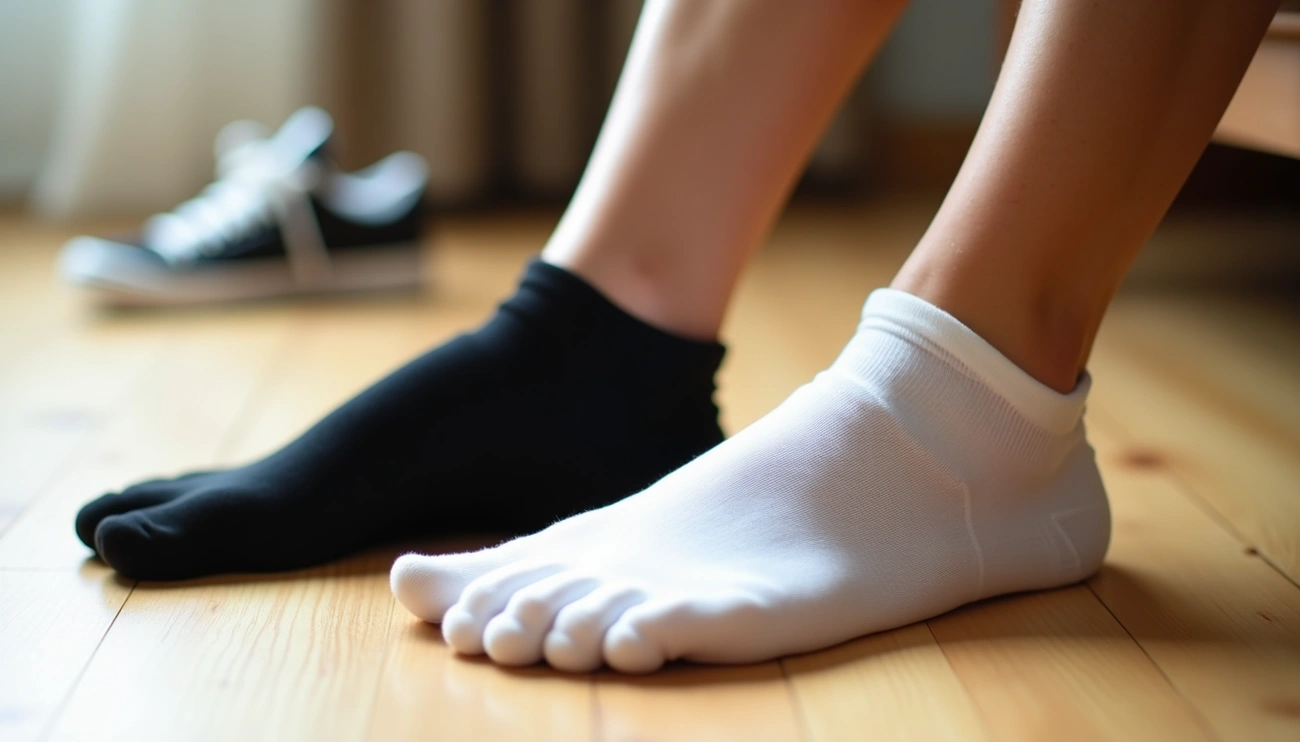
Black socks do not make feet stink more than other colors. Odor increases when socks use synthetic materials like polyester that trap heat and moisture, which promote bacteria growth. Choose cotton or moisture-wicking socks to reduce sweating, odor buildup, and bacterial activity during daily wear.
Why Do Black Socks Make Your Feet Stink? Understanding the Myth

The Origin of the Black Sock Stigma
The belief that black socks cause foot odor didn’t appear out of nowhere. This myth traces back to synthetic fiber socks, which absorb heat and create conditions for foot odor. What happened is simple: manufacturers often used cheaper synthetic materials for black socks, and these fabrics had poor moisture management. Men noticed their feet smelled worse in black socks and blamed the color, when the real problem was the low-quality synthetic material.
The confusion makes sense when you consider that most people don’t invest in high-quality socks. Synthetic material costs less than natural fibers, but it doesn’t absorb moisture properly. This created a pattern where black socks became associated with stinky feet, even though the color itself had nothing to do with it.
Heat Absorption and Dark Colors
Black does absorb more heat than lighter colors, but here’s what most people miss: this only matters when your feet are exposed to bright light or sunlight. Inside your shoes, the color of your socks has no real impact on heat transfer. The environment you wear them in and the sock material matter far more than whether they’re black or white.
Your feet produce heat through conduction and convection, not radiation. Meanwhile, the notion that black socks turn your shoes into “sweat factories” overlooks a basic fact: sweating occurs regardless of sock color, especially when wearing tight boots or shoes for extended periods. Color is largely irrelevant to how much your feet sweat.
Common Misconceptions About Sock Color
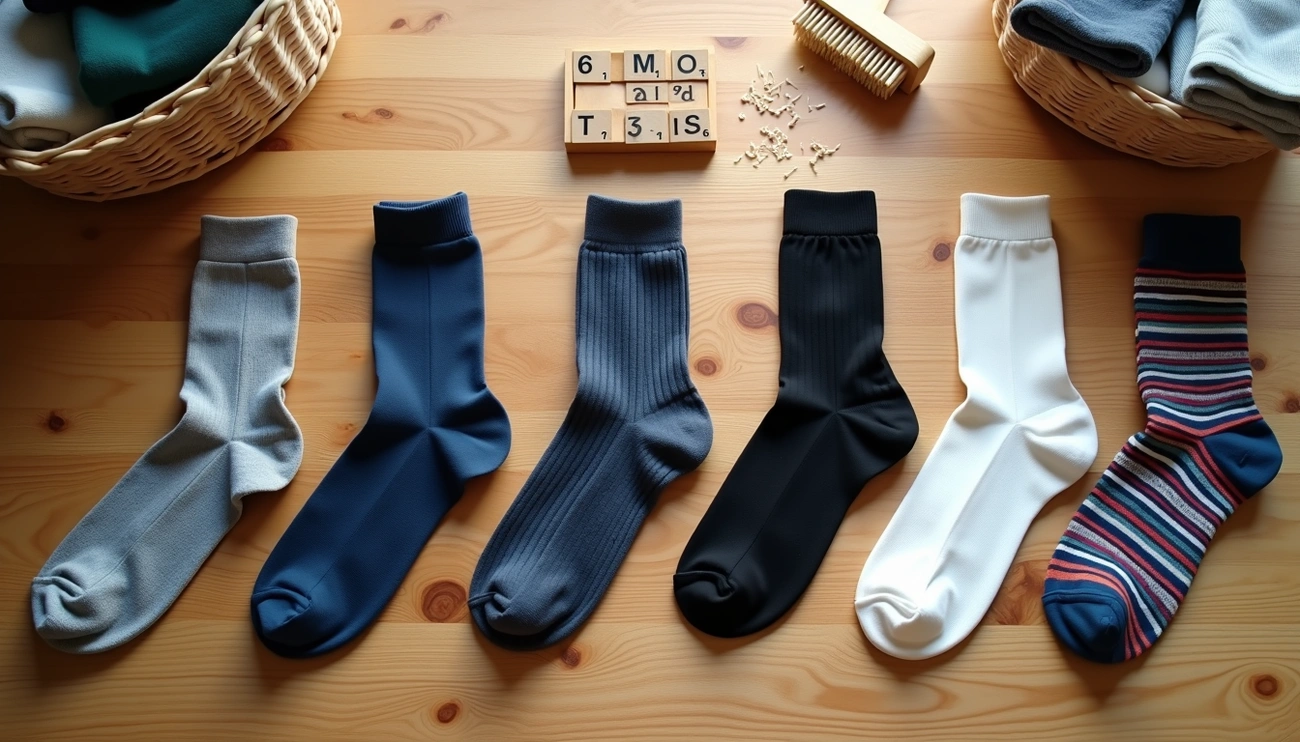
One persistent myth suggests that the dye in black socks harms your feet or increases infection risk. Actually, there’s no scientific evidence linking sock color with an increased risk of infections like athlete’s foot. People believe black socks cause athlete’s foot because they’re commonly made of synthetic materials that don’t breathe well[42]. However, the synthetic material itself, not the dye, creates the problem.
Another misconception claims that black socks make your feet sweat more than white socks. High-quality black socks don’t increase sweating compared to white ones[31][42]. The quality of the fabric and how well you care for your socks determine foot odor far more than the color.
The Real Culprits Behind Foot Odor

Fabric Material and Moisture Management
Your feet contain over 250,000 sweat glands that produce moisture each day. The fabric you choose determines whether that moisture gets wicked away or trapped against your skin. Merino wool absorbs up to 30% of its weight in moisture without feeling damp, whereas cotton absorbs moisture but doesn’t wick it away, leading to damp feet. This distinction matters more than whether your socks are black or white.
Synthetic blends like polyester and nylon wick moisture initially but often trap heat, creating an environment where bacteria thrive. As opposed to natural fibers, synthetics can feel damp more quickly even though they dry faster once removed. For this reason, moisture-wicking materials prove more effective at preventing the conditions that lead to foot odor.
Bacteria Growth in Synthetic Fibers
Sweat itself doesn’t smell. Bacteria feeding on sweat create volatile organic compounds that produce odor. Certain bacteria like Kytococcus sedentarius produce sulfur compounds, creating a rotten egg smell. Between 10% to 15% of people host this specific bacteria, making their feet smellier than average.
Synthetic fibers repel water, providing a haven for bacteria even after washing. Wool possesses natural antimicrobial properties through lanolin that actively prevent odor-causing bacteria from multiplying, while synthetics require chemical treatments that diminish over time.
Poor Ventilation and Sweat Buildup
Poor ventilation ranks as the primary cause of foot odor. When perspiration can’t evaporate, bacteria colonies grow and release organic acids that result in unpleasant odors. Moisture buildup creates an ideal environment for bacteria and fungi to thrive, regardless of sock color.
The Role of Footwear Quality
Shoes made from non-breathable materials trap sweat production, increasing moisture and bacterial growth. Wearing the same shoes daily prevents them from drying out between uses. Footwear made of natural materials like leather or cotton allows air circulation, preventing the moisture accumulation that leads to odor.
Are Black Socks Bad for Your Feet?

Is the Dye in Black Socks Bad for Your Feet?
Textile dyes can cause allergic contact dermatitis in some people. Basic Red 46, a dye used in dark-colored acrylic blend socks, has been linked to foot dermatitis, with 1.2% of patch test clinic patients showing positive reactions to this specific dye. Disperse blue dyes, commonly used in various clothing items including socks, also cause contact dermatitis. When dye rubs off on your skin and nails, it can mimic bruises or skin lesions and potentially trigger allergic reactions. Washing new dark socks before wearing them reduces dye transfer risk.
Do Black Socks Make Your Feet Sweat More?
High-quality black socks don’t increase sweating compared to white socks. Material and environment matter more than color. Poor-quality black socks often use thick synthetic materials that trap heat, but this stems from manufacturing choices, not the color itself.
Black Socks vs White Socks: The Odor Comparison
Black socks don’t smell worse than white socks. Material quality and washing frequency determine odor levels [151]. Wash socks after each use, or every 2-3 days minimum.
Breathability and Material Thickness
Black socks are often less breathable due to material choices, not color. Poor-quality black socks with synthetic fibers trap moisture and bacteria, potentially worsening conditions like diabetes and peripheral artery disease. High-quality black socks with breathable fabrics perform as well as any color.
How to Prevent Foot Odor When Wearing Black Socks
Choose High-Quality Moisture-Wicking Materials
Merino wool pulls sweat away from skin and evaporates it 30% faster than cotton while naturally resisting odor-causing bacteria. Bamboo viscose absorbs 60% more moisture than cotton and features natural antibacterial properties. Coolmax polyester channels moisture through engineered fiber cross-sections for rapid evaporation. Avoid 100% cotton socks, which absorb moisture but release it slowly, creating warm damp environments where bacteria thrive.
Maintain Proper Foot Hygiene
Wash your feet at least once daily. Use antibacterial soap when possible. Apply foot powder or antiperspirant to clean, dry feet before putting on socks. Aluminum chloride-based antiperspirants can reduce plantar sweating by 20-30%. Remove hard skin with a foot file and keep toenails short.
Wash Your Socks After Each Use
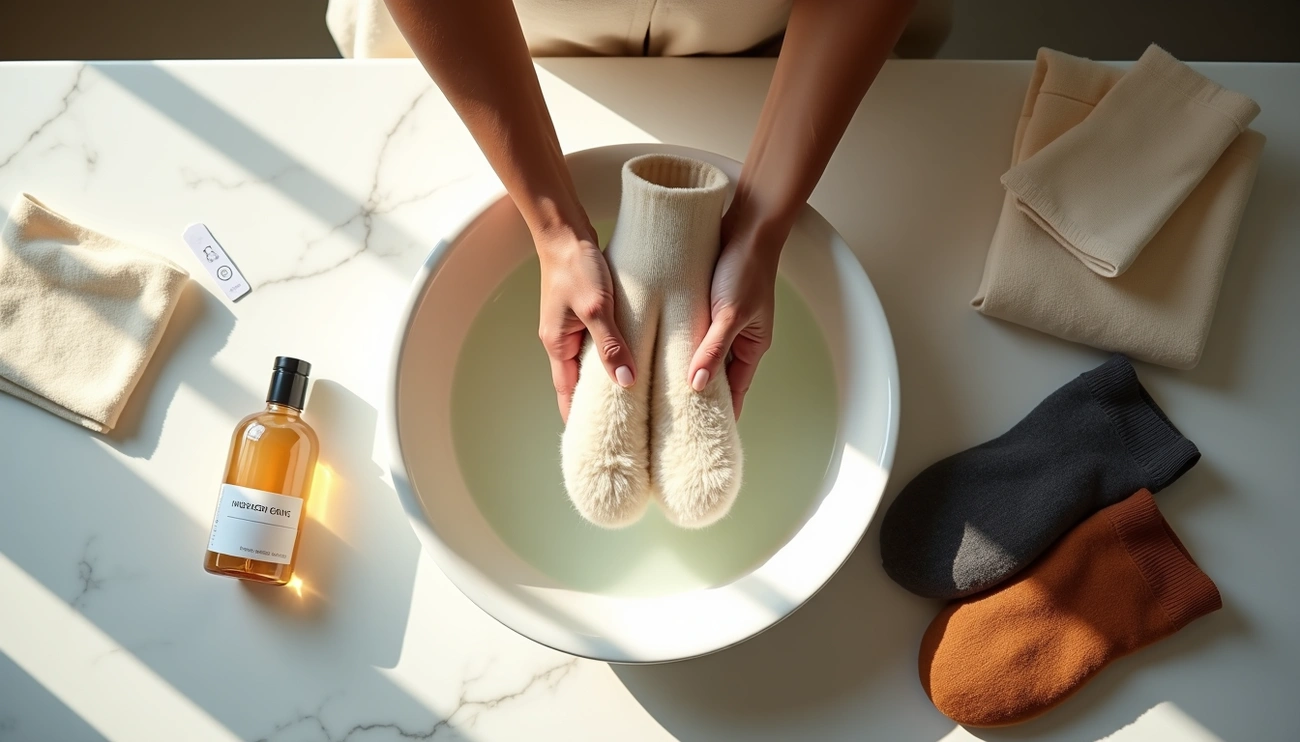
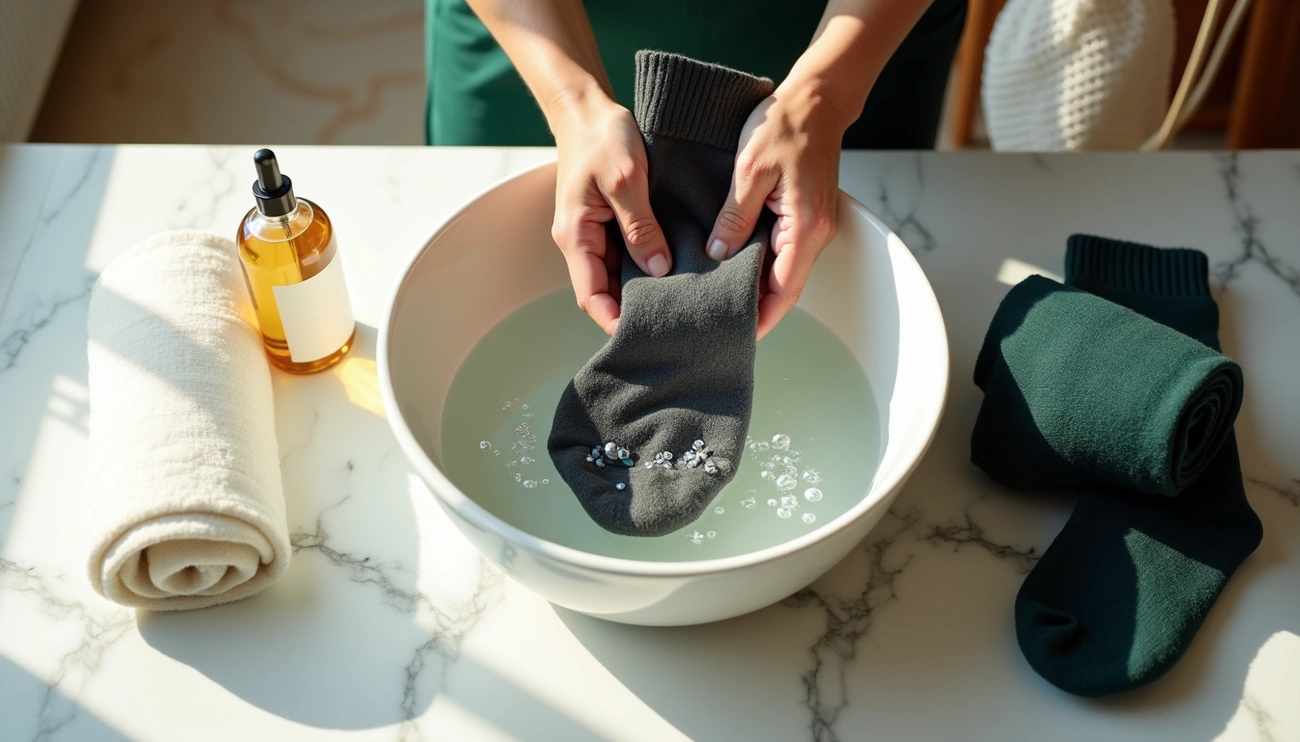
Change socks at least once daily. Wash socks inside out using cold water and mild detergent. For thorough sanitization, use enzyme-containing detergent and wash at 60°C. Air dry socks instead of using a dryer to preserve structure. High heat breaks down elastic fibers.
Select the Right Sock Type for Your Activity
Match sock weight to activity level and temperature. Light to mid-weight socks work best for warm weather activities. Look for socks with mesh knit panels across the top of the foot for air circulation.
Ensure Proper Sock Fit
Socks that are too tight trap moisture, leading to fungal development and conditions like athlete’s foot. A snug compression band around the arch prevents bunching, which creates pockets where sweat pools. Seamless toe construction reduces friction in vulnerable areas.
Replace Worn-Out Socks Regularly
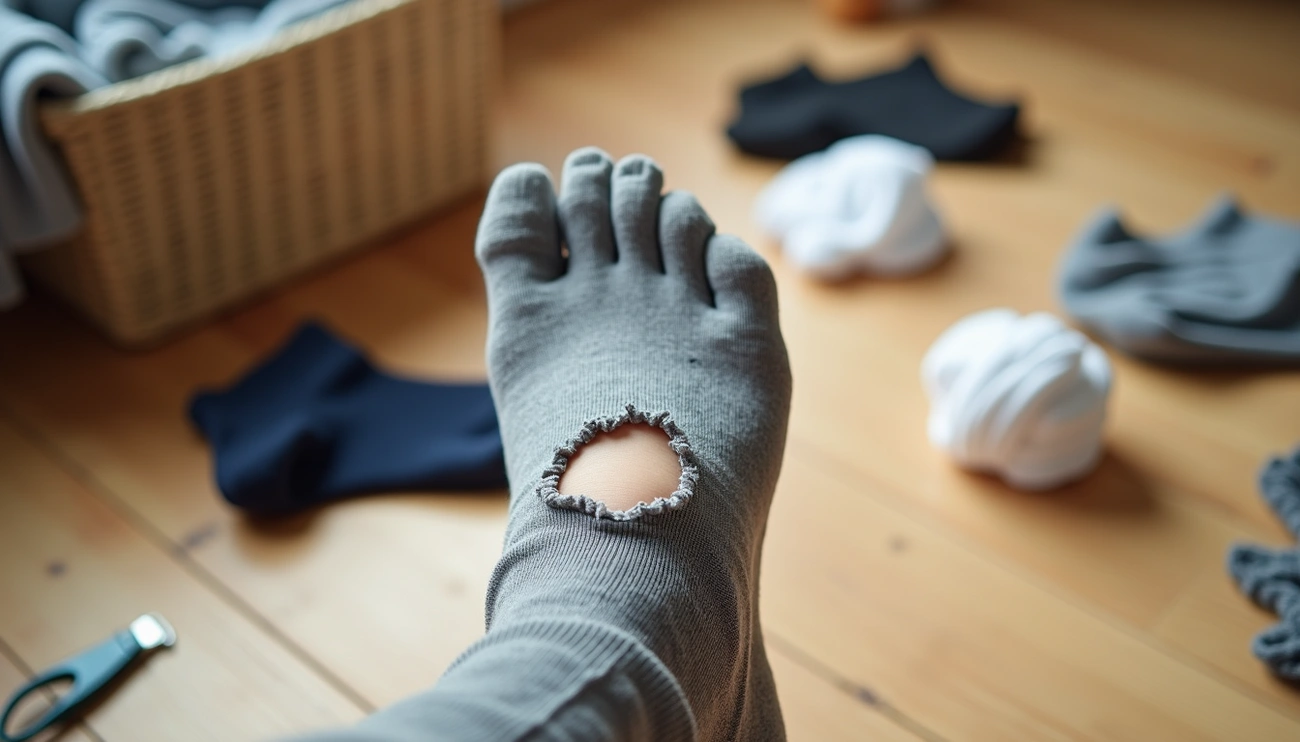
Replace socks every 3-6 months on average. If socks smell bad even after washing, bacteria and fungi have taken hold in the fibers. Persistent odor signals that fibers are breaking down and can no longer wick moisture effectively. Give shoes 24-48 hours to dry between wears.
Conclusion
Black socks don’t make your feet stink. The material matters far more than the color. If you choose high-quality moisture-wicking fabrics like merino wool or bamboo, your black socks will perform just as well as any other color. Consequently, focus on breathability, proper fit, and good hygiene practices rather than avoiding dark colors. Replace your worn-out synthetic socks with quality materials, and you’ll notice the difference immediately.