Yes, you generally need grip socks for barre classes because they improve traction, stability, and hygiene. Many studios, including Pure Barre, require sticky socks to prevent slipping during planks, pulses, and balancing exercises. While beginners may practice barefoot in some studios, grip socks provide safer footing on studio floors.
What Are Barre Socks and Why Do Studios Recommend Them?

What are sticky socks and how do they work
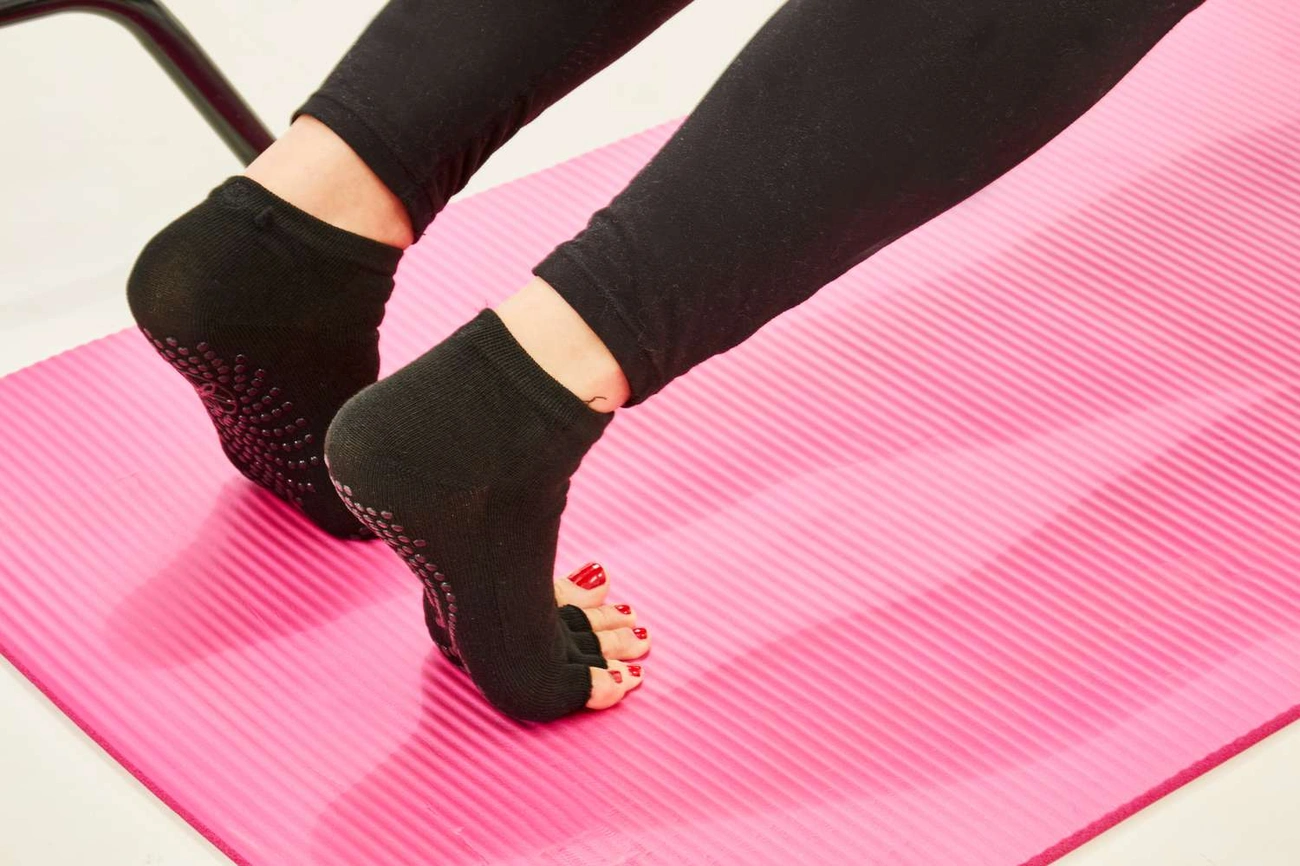
Barre grip socks feature silicone or rubber grips arranged in patterns across the bottom surface. These textured dots or treads create friction between your feet and the floor, preventing the sliding that happens with regular socks. The grips work like tiny suction cups. When you put weight on your foot during a plié or relevé, they press against the floor and create resistance.
The grip patterns aren’t random. Manufacturers design them based on pressure mapping of the foot during typical barre movements. Some socks have full coverage across the sole, while others place grips strategically in high-contact areas like the ball of the foot and heel. The material stays flexible enough to move with your foot but firm enough to maintain contact with the floor. This balance lets you walk naturally without feeling restricted while still getting anti-slip protection.
The difference between grip socks and regular socks
Regular socks provide basic comfort and breathability but fail to address foot slippage issues. Grip socks, in addition, incorporate non-slip technology through silicone pads strategically placed on the sole. These pads reduce movement and enhance stability, helping you make quicker adjustments during transitions.
The construction differs significantly. Grip socks use moisture-wicking materials, reinforced arch support, and seamless design. Many include padding around the toes and heels, making them suitable for long sessions. They conform closely to the foot, reducing blister risk. Regular socks wear faster, especially in the heel and toe areas, when used for intense movement.
Why most barre studios have footwear policies
Most established barre studios implement strict grip sock requirements as non-negotiable hygiene policy. Pure Barre requires sticky socks in-studio for health and safety reasons. Studies of fitness facility surfaces reveal microorganisms that survive for extended periods. Grip socks provide a barrier that prevents direct skin contact with studio floors, reducing transmission risk of foot-related skin conditions.
Due to the nature of barre workouts, multiple clients interact with the same surfaces throughout the day. The socks act as a protective barrier, keeping your feet clean while preventing sweat from transferring to floors or equipment. Pure Barre studios use specialized flooring that provides more traction than wooden floors, and the combination of grip socks with this flooring creates optimal safety conditions.
The Case for Grip Socks in Barre Class

Grip socks deliver performance advantages that extend beyond studio requirements. Understanding these benefits helps you decide whether the investment makes sense for your practice.
Better stability and grip during exercises
The non-slip soles create traction on smooth surfaces like hardwood or studio floors. Your feet stay grounded during lunges instead of sliding out from under you, and you maintain stability in plank holds without wobbling. This secure foundation allows you to engage the right muscles with confidence.
When performing movements requiring precise foot positioning, the difference between slipping and stability directly impacts your ability to maintain proper form. This advantage becomes pronounced during isometric holds, where muscles work to fatigue in a static position. Consider a second-position plié: without proper foot traction, your feet naturally slide wider as you lower, altering the angle of work in your inner thighs and gluteal muscles.
Hygiene protection on shared studio floors
Grip socks act as a protective barrier between your feet and the floor, reducing exposure to germs that cause athlete’s foot or other skin conditions. You avoid direct contact with dust, leftover sweat, and residue lingering from previous classes.
Unlike bare feet, which pick up and transfer bacteria and debris, grip socks minimize the introduction of outside contaminants. They help absorb sweat and prevent direct contact between your feet and equipment, reducing the risk of fungal infections and skin irritations.
Injury prevention and foot support
Grip socks prevent injuries by minimizing the risk of slipping or twisting, particularly beneficial for beginners still mastering certain movements. Proper support underfoot helps keep your body aligned and reduces the risk of sprains, falls, or unnecessary joint pressure.
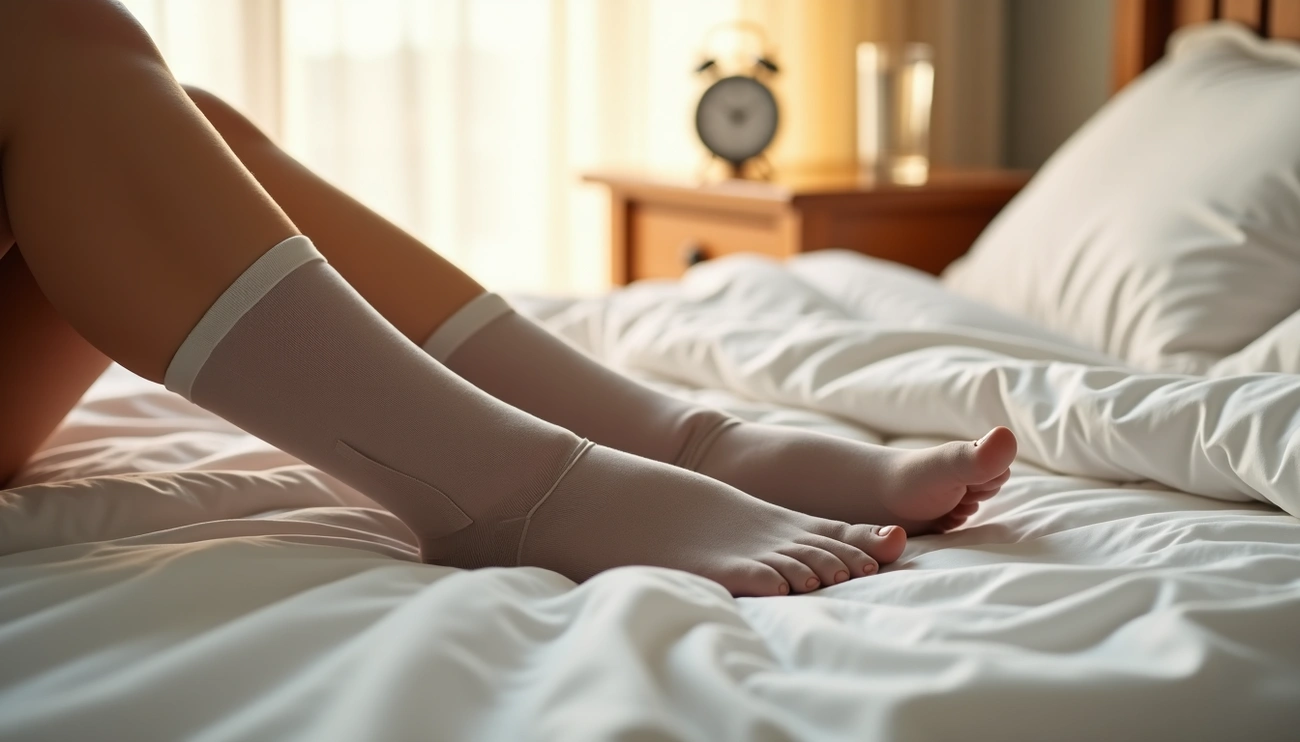
Many grip socks include arch compression, heel padding, and light cushioning. For those with flat feet, high arches, or foot pain, these features provide subtle but effective support. Arch compression offers gentle lift and alignment that improves both comfort and performance.
Enhanced confidence during challenging poses
When you’re not worried about slipping, you can focus fully on your form, breath, and movement. That sense of security translates directly into better performance. Your posture improves, muscles engage more effectively, and you release unnecessary tension when you feel steady and supported.
Can You Go Barefoot in Barre? What to Consider

When barefoot practice makes sense
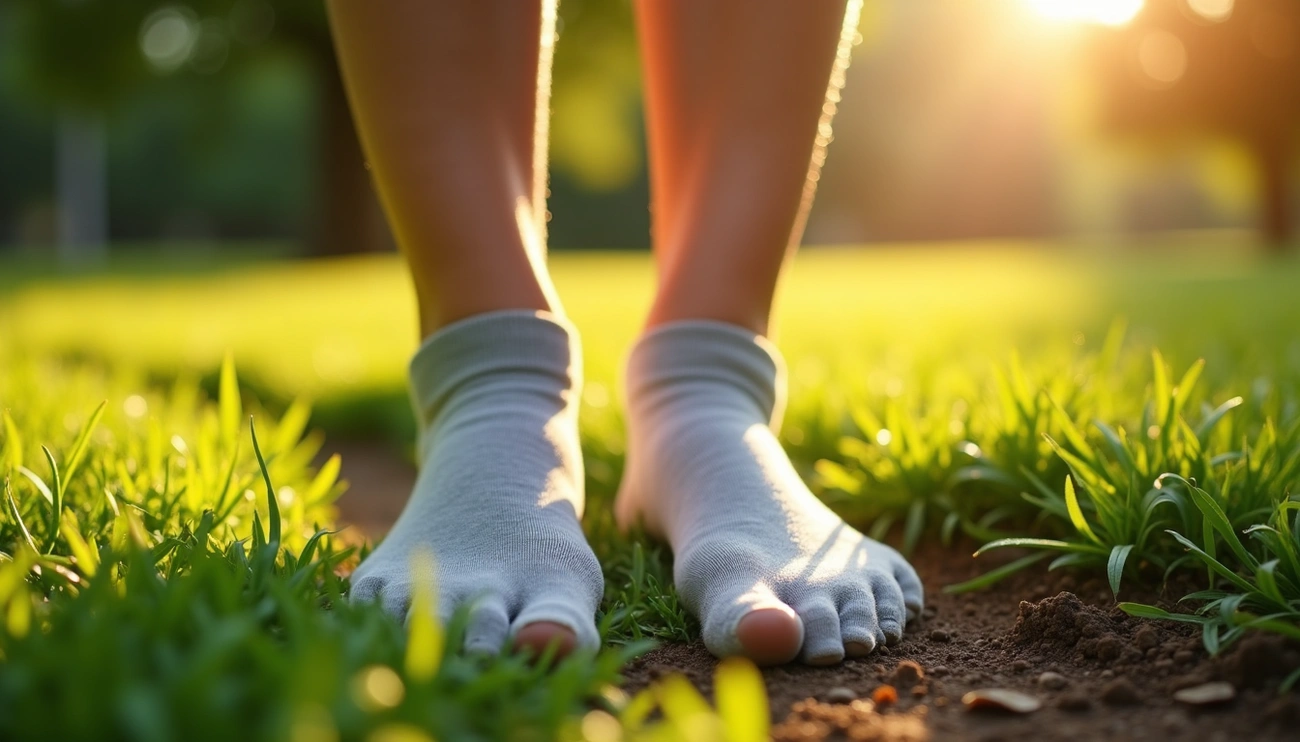
Barefoot workouts strengthen foot muscles that normally stay dormant in shoes. Your feet develop greater stability as smaller muscles activate to increase balance. Spreading your toes and planting them creates a wide base, stretching fascia and increasing blood flow. Bare feet activate your central nervous system differently, which affects how your entire body engages stabilizing muscles in your glutes and core. Some practitioners find barefoot work helps with conditions like plantar fasciitis.
Studio policies: Do you need grip socks for Pure Barre and other chains
Pure Barre requires sticky socks for all classes. This policy exists for health and safety reasons, as many moves involve sliding and balancing. Other chains vary considerably. Lab Studios welcomes barefoot practice, stating barre is traditionally done barefoot and grip socks remain optional. BarreLife allows barefoot or grip socks for barre but requires them for reformer Pilates.
The drawbacks of going barefoot
Sweat creates the primary issue. Once you start moving, your feet lose grip on floors and equipment, causing you to slip and lose form. Direct contact with studio floors exposes you to dirt and germs. Balance suffers when feet get sweaty, even compared to grippiest socks.
How foot type affects your choice
Those with bunions may need extra mat padding on hard surfaces. People with diabetes should never exercise barefoot due to neuropathy risks.
Making the Right Choice for Your Barre Practice

Matching footwear to your experience level
Beginners benefit from full-coverage grip patterns that provide maximum traction across the entire sole. Medium compression offers balance between support and comfort for standard-length classes. As you advance, you might prefer lighter compression or toeless designs that enhance toe engagement during precise movements.
Light compression works for those with sensitive feet or circulation concerns. High compression delivers maximum support during intense sessions, primarily beneficial for advanced practitioners executing complex sequences.
Cost considerations and long-term value
Entry-level grip socks cost under $10, mid-range options run $15-20, and premium pairs exceed $30. Budget socks maintain grip effectiveness for 15-25 washes, while premium options retain full functionality beyond 100 washes when properly cared for. For someone attending classes 3-4 times weekly, budget options require replacement every few months versus premium pairs lasting a year or more.
On balance, cost per wear matters more than initial price. Premium materials feature moisture-wicking properties and advanced silicone grip technology that outlasts basic PVC dots on budget versions.
Alternative options: Bar method socks vs other styles
Bar Method socks provide comfort and stability for pliés and relevés with rubber grip running the full length of your foot. Performance Skin Footwear offers another option at $74, featuring all-over grip and structured support that moves like a second skin. These shoe-sock hybrids eliminate the bunching and slipping issues some practitioners experience with traditional grip socks.
Conclusion
While grip socks offer stability and hygiene benefits, your choice ultimately depends on studio policy and personal preference. Check your studio’s requirements first, since chains like Pure Barre mandate them. For those with the option, consider your experience level and foot type. Beginners typically benefit from the extra traction, whereas advanced practitioners might prefer barefoot work for foot strengthening. Equally important, factor in long-term value when comparing price points.