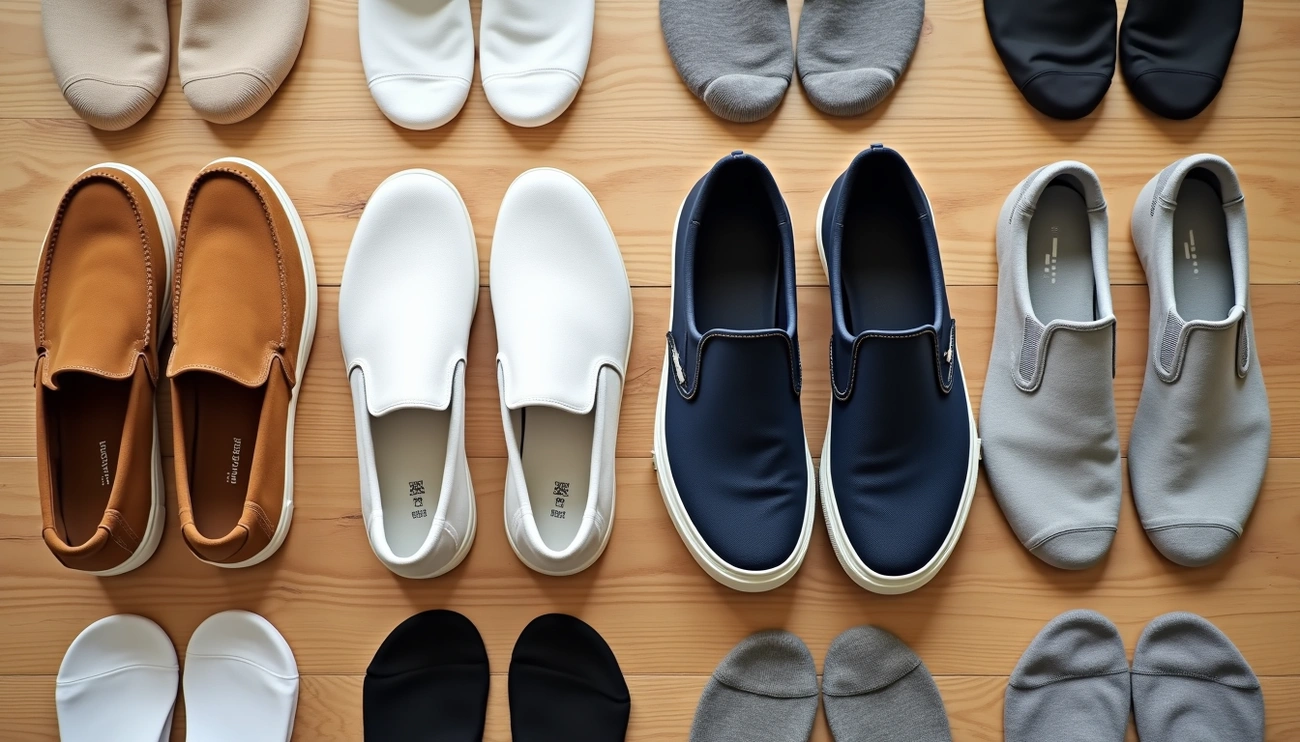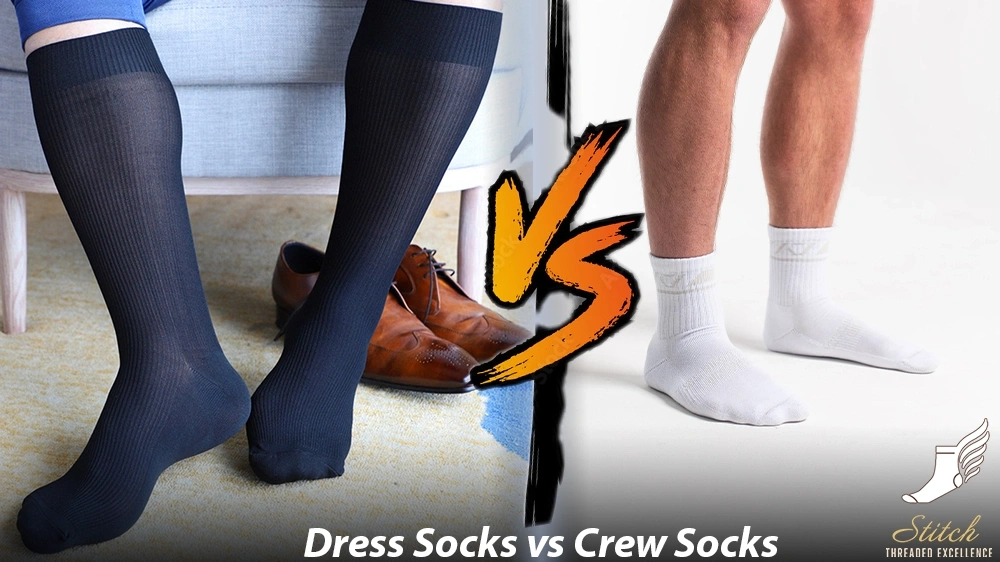
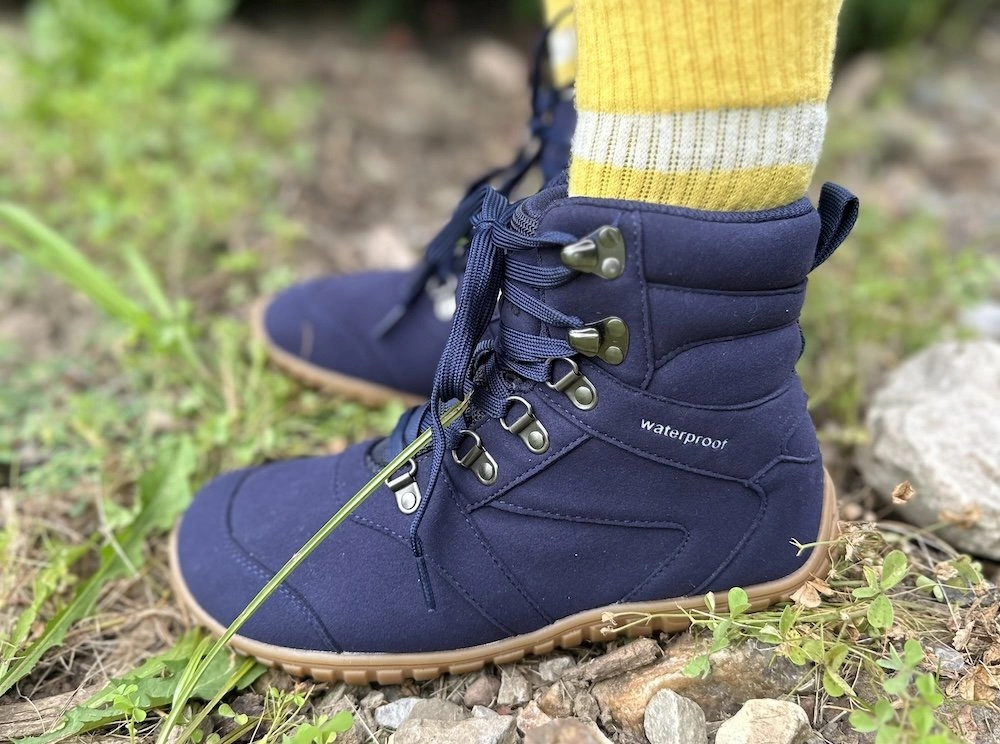
Wear socks with barefoot hiking shoes based on comfort, moisture control, and terrain. Use thin, breathable, or toe socks to reduce friction, prevent blisters, and manage odor during hikes over 3–10 miles. Go sockless for maximum ground feel and airflow, but expect increased sweat buildup.
With Socks vs Without Socks: The Hiking Reality Check
Benefits of wearing socks with barefoot hiking shoes
Socks provide a protective barrier that reduces friction between your foot and the shoe interior. This layer prevents painful blisters during long hikes where repetitive movement can cause rubbing. Correspondingly, socks handle sweat management better than bare skin against shoe material.
Your feet produce about half a cup of sweat daily. Without socks, that moisture saturates the shoe’s interior lining, creating an environment where bacteria thrive. Socks absorb this moisture before it reaches the shoe, keeping both your feet and footwear cleaner. The result is less odor buildup and shoes that stay fresh longer.
Warmth becomes another factor when temperatures drop. Thin wool socks wick moisture while providing insulation, letting you extend your barefoot shoe use into colder months. Socks also shield your feet from trail dust, grime, and small debris that works its way into shoes during hikes.
Benefits of going sockless on the trail
Going without socks delivers maximum ground feel. You gain direct sensory feedback from the terrain beneath you, which improves balance and proprioception. This enhanced connection to your environment represents what barefoot shoes aim to provide.
Sockless hiking allows unrestricted toe movement. Your toes spread naturally with each step, functioning as intended without fabric constraints. This freedom promotes better foot mechanics and strengthens intrinsic foot muscles over time.
Breathability improves dramatically without socks. Air circulates freely around your feet, keeping them cooler during warm weather hikes. Some distance runners prefer going sockless specifically for this stronger feedback and reduced movement inside the shoe.
What most hikers actually do
Personal preference wins here. Some hikers wear toe socks that reduce toe-on-toe friction while maintaining natural movement. Others choose thin merino wool options that wick sweat and regulate temperature. Many experiment with both approaches depending on conditions.
Distance hikers often test different setups. For some, socks make the difference between finishing a trail comfortably or dealing with blisters. Others swear by the sockless approach for enhanced terrain awareness. Your feet will tell you what works after you log some miles in varying conditions.
The sock decision isn’t permanent. You can adjust based on weather, trail type, and how your feet respond. What matters is finding your comfort zone rather than following rigid rules about how barefoot shoes should be worn.
How Weather and Trail Conditions Affect Your Sock Choice
Weather and terrain shift your sock needs more than any other factors. What works on a sunny summer trail fails miserably in freezing conditions or wet environments.
Hot weather hiking and breathability needs
Heat demands maximum airflow. Lightweight socks excel here because thin construction allows better breathing, which reduces moisture on your feet. Specifically, ultralight options dry faster than padded alternatives.
Running socks work well for warm weather despite being designed for different activities. Technical fabrics like COOLMAX wick sweat away from skin, keeping feet drier than standard materials. Merino wool also performs well in heat since it regulates temperature naturally.
In reality, the thinnest sock provides the most breathability. Padded socks trap heat and moisture, making your feet sweat more during summer hikes.
Cold weather and insulation requirements
Cold climates require socks that provide warmth without sacrificing the barefoot feel. Merino wool maintains insulation properties even when wet, unlike synthetic materials. Higher wool content translates to better warmth in both wet and dry conditions.
Midweight cushioning offers protection without excessive bulk. Heavy socks take up room in shoes, restricting blood flow and paradoxically making feet colder through reduced circulation. Moisture management remains critical since sweat buildup accelerates heat loss in cold weather.
Wet trails and do you wear socks with water hiking shoes
Water crossings change the equation entirely. Quick-drying fabrics become non-negotiable for wet conditions. Merino wool blends (30-60% wool with 40-70% nylon or polyester) dry faster while maintaining softness when saturated.
For water hiking shoes, the “water in, water out” approach works better than waterproof boots. Breathable designs combined with moisture-wicking socks prevent the trapped moisture that causes blisters.
Rocky terrain vs smooth paths
Rough terrain justifies higher sock coverage. Crew-length socks protect ankles from brush and debris on overgrown trails. Smooth, groomed paths need less protection, making lower-cut options sufficient.
Common Problems and How to Avoid Them
Preventing blisters on long hikes
Blisters form from friction combined with heat and moisture. If you’re new to barefoot hiking, jumping into long distances activates unused muscles and increases blister risk. Start with shorter hikes and build up gradually.
Proper fit prevents most blister issues. Aim for at least 12-15mm of space in front of your toes, especially on downhill sections or when wearing thicker socks. This prevents toe bumping and allows natural toe splay. Toe socks reduce friction between toes on extended hikes by keeping them separated. That said, wide toe box regular socks work fine as long as they don’t squish your toes.
Managing sweat and odor buildup
Sweat creates a breeding ground for odor-producing bacteria when trapped inside shoes. If you go sockless, hygiene becomes critical since sweat and dirt impact shoe material directly.
Remove insoles after wearing and allow shoes to air out completely. Never place them on heaters, as heat warps thin rubber outsoles. Rotate between two pairs of barefoot shoes, giving each at least 24 hours to dry between wears. Sprinkle baking soda inside overnight to neutralize odors, then shake it out thoroughly before wearing.
Avoiding tight fit issues
Wearing socks makes barefoot shoes feel slightly tighter, especially models with glove-like fits. Thin socks like merino toe socks usually work best. Bulky socks cramp your toes, canceling out the benefit of that roomy toe box.
Keeping your feet protected from debris
Wide toe boxes allow natural toe splay for better footing on trails. High-cut ankle support provides security without restriction, preventing insects and pebbles from sneaking into shoes. Toe socks help with debris management during hikes.
Choosing the Right Socks for Barefoot Hiking Shoes
Sock selection matters just as much as the shoes themselves when you’re trying to maintain that barefoot experience on the trail.
Toe socks for natural movement
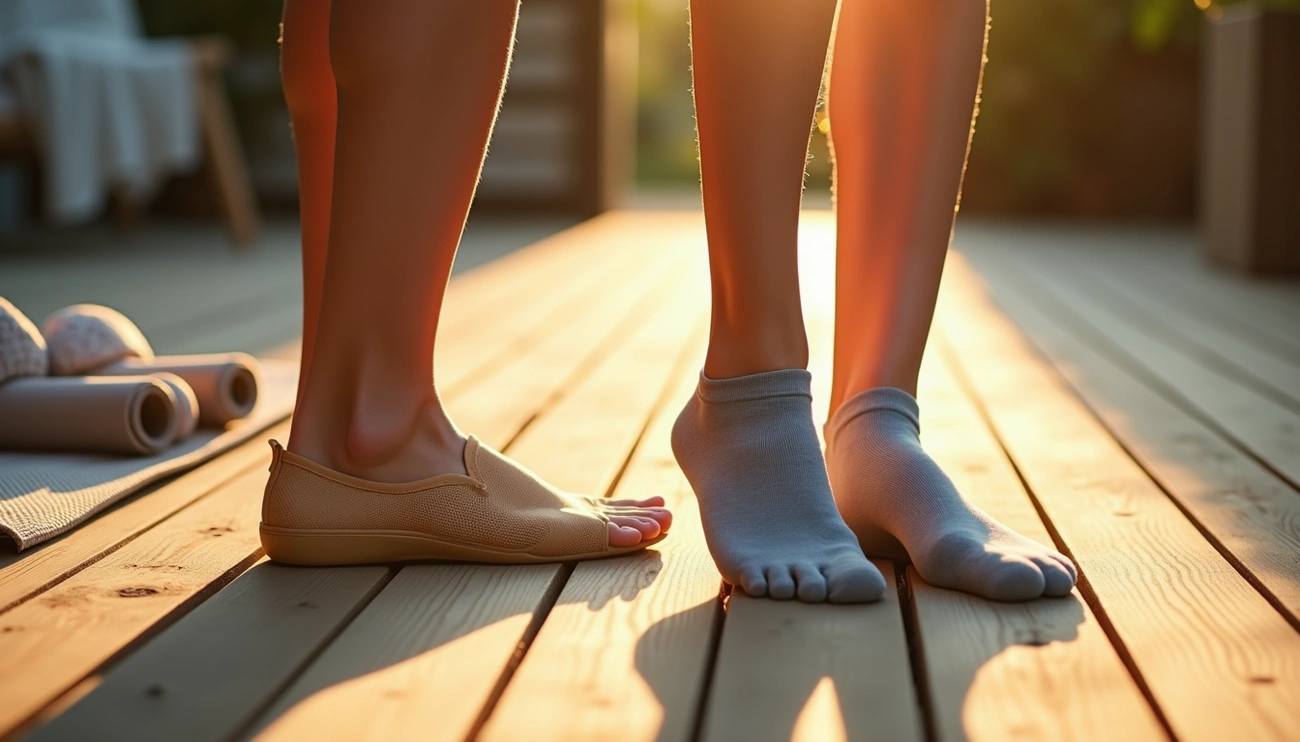
Toe socks feature individual compartments for each toe, functioning like gloves for your feet. This design allows toes to move independently, promoting natural toe splay and improving balance. Friction between toes drops significantly since each toe stays separated, reducing blister risk.
Brands like Injinji offer options specifically designed for barefoot shoes. Alternatively, regular toe socks work fine as long as they don’t squeeze your foot. Some hikers find Injinji slightly constrictive and prefer looser toe sock styles.
Thin merino wool options
Merino wool maintains the barefoot feel while adding comfort[281]. Thin merino options work well because they mirror the sockless experience without sacrificing ground contact. Merino wool naturally wicks moisture, resists odor, regulates temperature, and stays soft against skin.
Moisture-wicking materials that work
COOLMAX EcoMade pulls sweat from skin to fabric surface where it evaporates quickly. Blends combining merino wool with nylon and Lycra provide flexibility and durability while staying breathable[262].
When to skip socks entirely
Skip socks when your barefoot shoes offer excellent breathability. Regular cleaning becomes necessary to maintain hygiene without that sock barrier[261].
Conclusion
Your sock choice with barefoot hiking shoes isn’t a one-size-fits-all decision. At any rate, experimentation will guide you better than rigid rules. Test both approaches in different conditions and let your feet decide what feels right. Weather, terrain, and personal comfort all factor into the equation. What works for me might not work for you. Start with shorter hikes, try various sock types, and adjust based on how your feet respond on the trail.