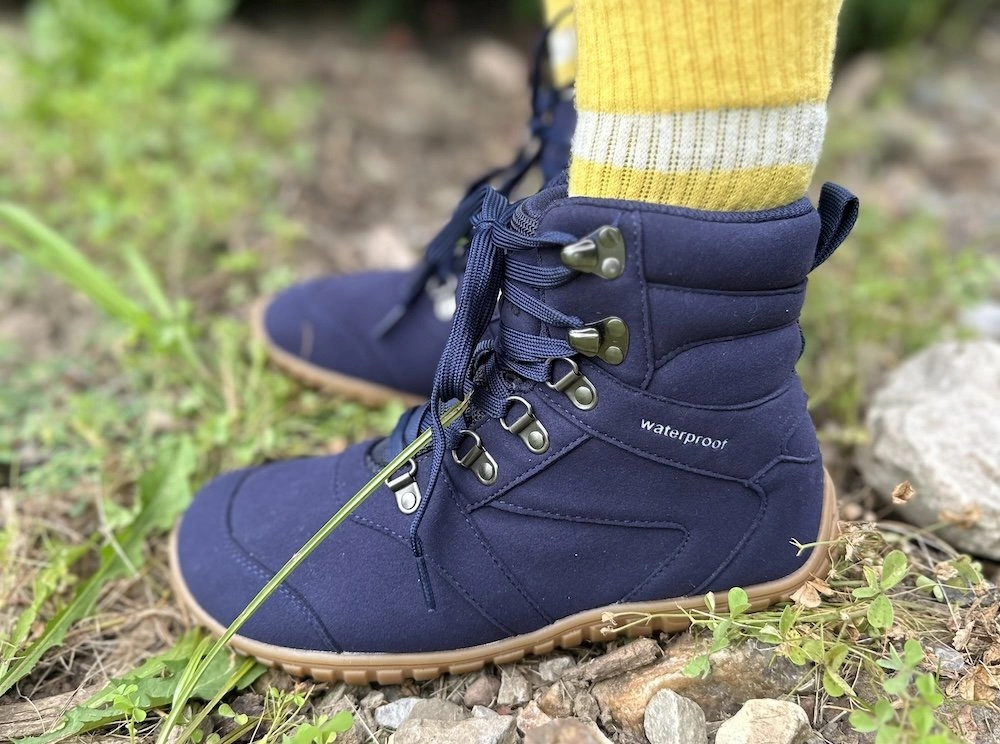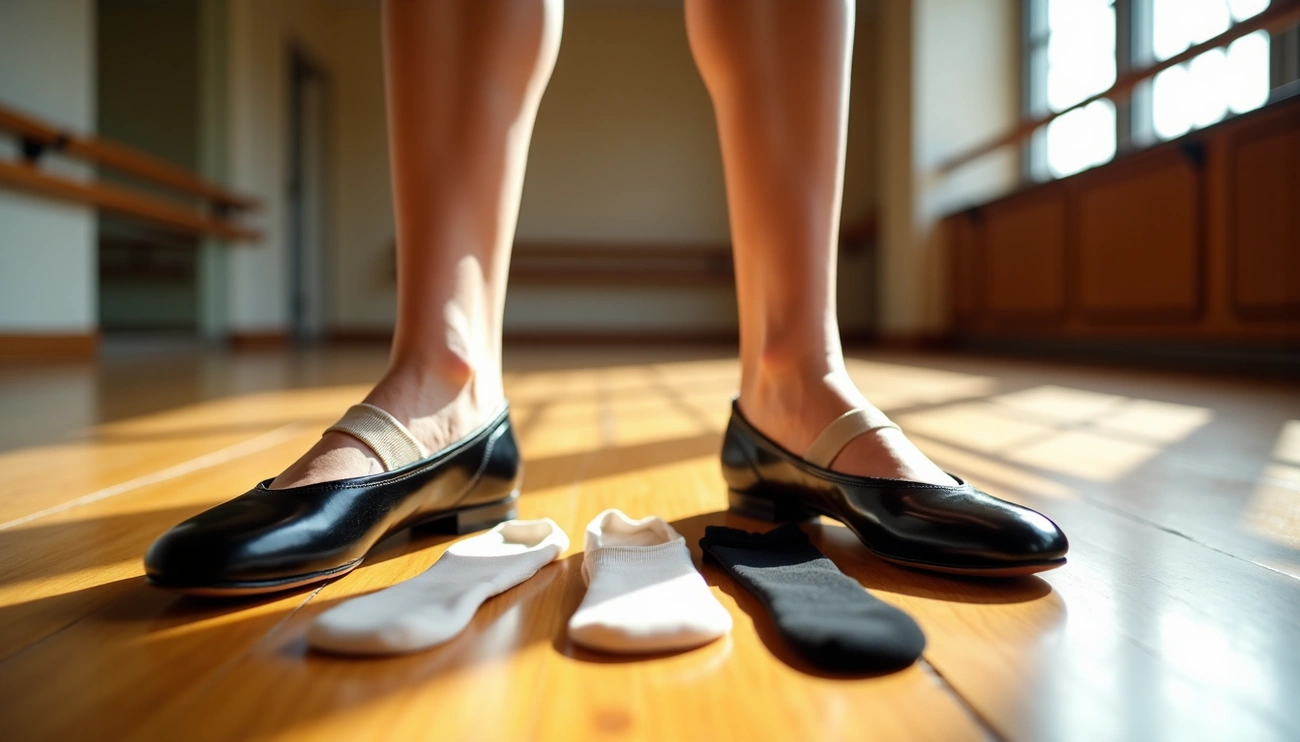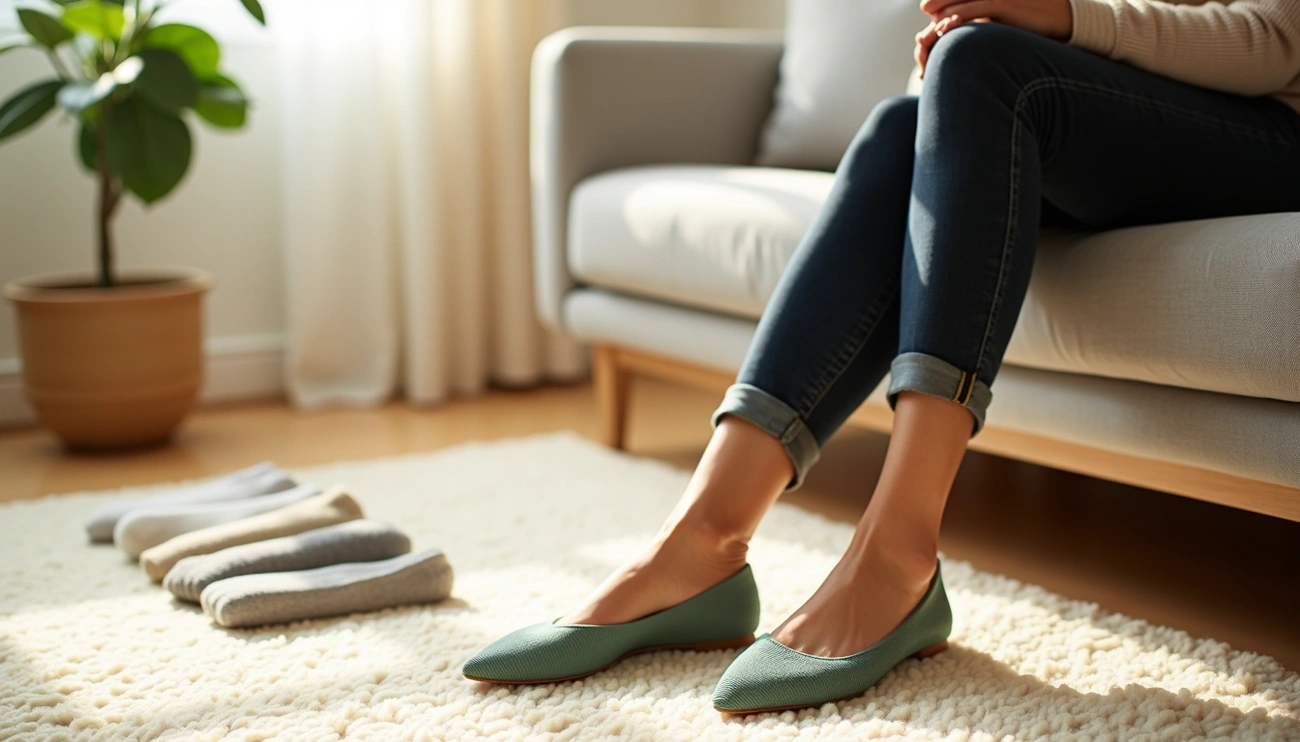
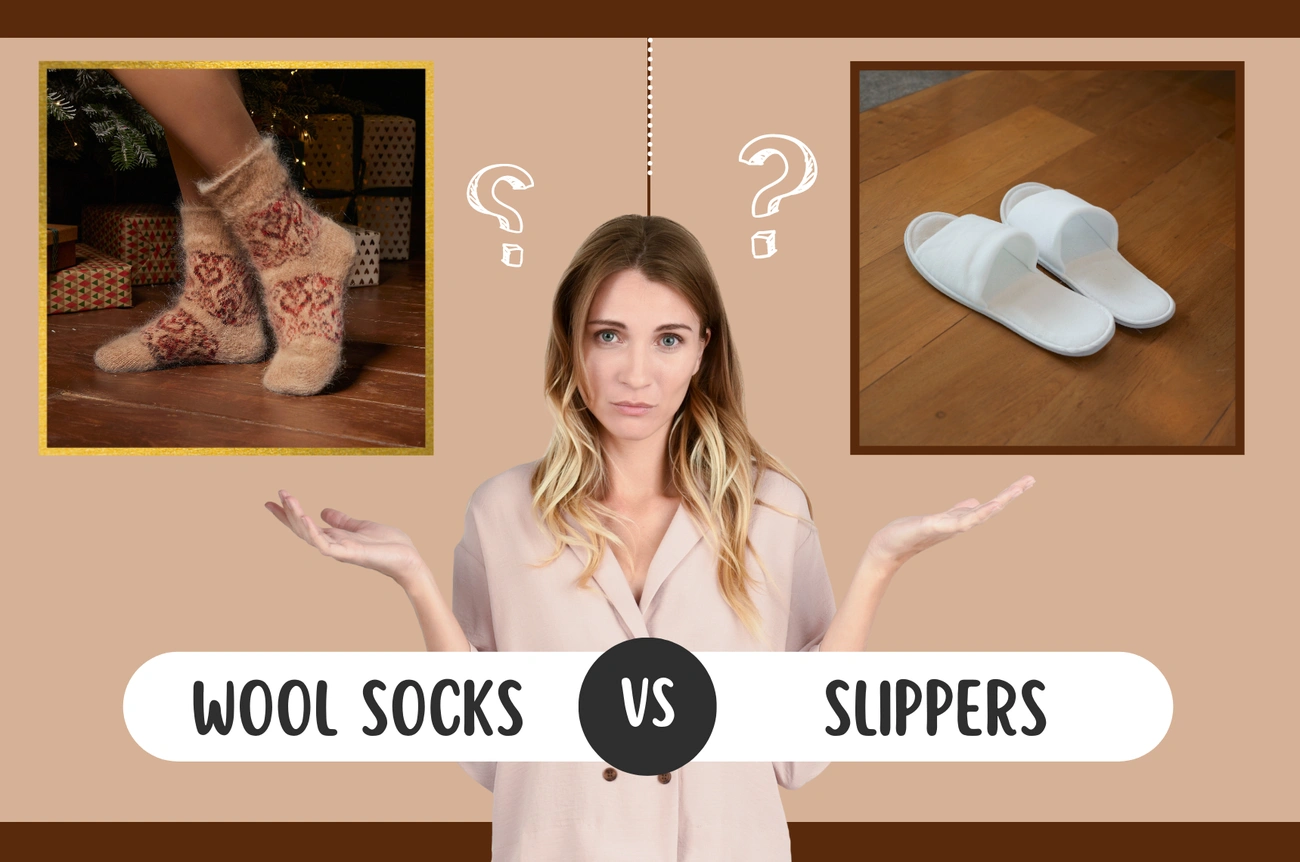
Wear socks with slippers to improve hygiene, comfort, and durability. Socks absorb sweat, reduce odor, and protect feet from bacteria and dirt. Use socks with closed-back or lined slippers to extend slipper life by 3–6 months and maintain a cleaner interior.
The Great Socks with Slippers Debate

Why This Question Matters
This debate has been ongoing for years, with each side having its loyal supporters. But why does such a simple question generate so much discussion? The answer affects more than just your personal comfort. Your choice influences how long your slippers last, whether your feet stay healthy, and even your risk of slipping on certain floor types.
People make this decision based on season, floor type, and personal habits. There’s no absolute answer. What works for someone in a cold climate might not suit someone in a warmer area. Similarly, what feels right for hardwood floors might differ from what works on carpet.
Common Practices People Follow
Most people adjust their approach depending on the season. During summer or in warmer climates, most wear slippers barefoot for breathability and to avoid overheating. Cold weather tells a different story. Many wear socks with slippers for added warmth in colder months or to keep their slippers clean for longer use.
The type of slipper material changes the equation. For slippers with a warm lining like wool or faux fur, socks might not be necessary since the lining provides sufficient comfort and insulation. Some people follow a strict sock-wearing rule because their feet go clammy inside slippers quickly, particularly with cheaper synthetic materials that aren’t breathable. Others worry about discoloration and pronounced toe indentations that develop faster when wearing slippers barefoot all the time.
Sweaty feet create another consideration. Those who experience this issue often wear socks to prevent odor and extend slipper life. On the other hand, some find wearing socks creates extra laundry and prefer the convenience of going barefoot, washing their slippers regularly instead.
Personal Preference vs. Practical Considerations
The tension between what feels good and what makes practical sense defines this debate. Some people love sinking their toes into soft slippers without any barrier. Others need that sock layer for protection and hygiene.
Practical factors matter. Socks provide a protective layer between your foot and the slipper, helping prevent fungal infections, sweat, and dirt from getting inside. Yet going sockless allows slippers to mold to your foot shape for a custom fit. The choice often comes down to balancing immediate comfort against long-term considerations like slipper maintenance and foot health.
Benefits of Wearing Slippers Without Socks
Going barefoot in slippers offers distinct advantages that many people overlook. The benefits extend beyond simple comfort, touching on foot health, material performance, and how slippers adapt to your unique foot structure.
Let Your Feet Breathe
Slippers made from natural materials create an environment where your feet can actually breathe. Wool slippers, especially those made from felted wool, regulate temperature naturally while discouraging excessive sweating. After hours in closed shoes, your feet need relief. Natural materials allow air circulation that synthetic fabrics simply can’t match, keeping your feet fresh without trapping heat and moisture against your skin.
Experience the Full Comfort of Materials
Quality slipper materials work best when in direct contact with your skin. Sheepskin and wool have molecular structures similar to human skin, which means they won’t irritate even tender skin. The fibers adapt to your foot’s natural oils and shape, providing comfort that a sock barrier would diminish. Materials like genuine shearling mold to your foot’s contours with each wear, creating a personalized fit that feels increasingly comfortable over time.
Better Moisture Wicking
Wool’s keratin structure gives it remarkable moisture management abilities. The fiber can absorb up to 15% of its weight in water. In similar fashion, it pulls moisture away from your feet, absorbs it, then transfers it to outer layers where it evaporates into the air. This natural wicking performance surpasses many synthetic fabrics. Surprisingly, wool’s lanolin content provides anti-fungal and antibacterial properties that prevent odor-causing bacteria from thriving[51].
Custom Fit to Your Foot Shape
Wearing slippers without socks allows the materials to stretch and conform to your specific foot shape. High-quality slippers start out symmetrical but gradually mold to create generous toe space tailored to your feet. This custom adaptation provides better support and comfort than wearing them with socks, which creates a barrier preventing this natural molding process.
When You Should Wear Socks with Slippers
While going barefoot has clear benefits, specific situations call for socks with slippers. These scenarios involve fit issues, climate factors, hygiene considerations, and slipper design.
If Your Slippers Are Loose or Oversized
Socks solve fit problems when your slippers run large. The extra padding creates a snugger fit, preventing your feet from sliding around inside. This added layer fills the gap between your foot and the slipper interior, giving you better control and stability as you move around your home.
For Extra Warmth in Cold Weather
Winter demands extra insulation. Socks become necessary during cold months to keep your ankles and heels warm, particularly when wearing open-backed slippers. The combination delivers warmth that slippers alone can’t provide when temperatures drop.
To Prevent Odor and Extend Slipper Life
Sweaty feet create hygiene challenges. If your feet perspire heavily or your shoes develop odors quickly, wearing socks with slippers prolongs their life and increases comfort levels. Socks act as a protective barrier, preventing fungal infections, sweat, and dirt from penetrating the slipper material. Without this layer, bacteria and moisture accumulate inside your footwear, causing damage to both your feet and slippers.
With Open-Back Slipper Styles
Open-back designs require special attention. Wearing socks with these styles becomes especially important during extended wear periods. The open design allows more exposure to bacteria and moisture, making that protective sock layer valuable for maintaining foot health and keeping your slippers fresh longer.
Key Factors to Consider Before Deciding
Several factors determine whether socks with slippers work for your situation. Examining these elements helps you make an informed choice.
Slipper Material and Construction
Material composition plays a major role in your decision. Terrycloth, suede, leather, and cotton each behave differently against bare skin. Look for slippers with odor-resistant technology if you prefer going sockless, as this prevents bacterial growth from sweaty feet. Durable sole construction matters equally, providing stability and shock absorption through EVA midsoles.
Your Foot Temperature and Sweat Levels
Merino wool regulates foot climate naturally, absorbing moisture without feeling wet. If your feet perspire heavily, breathable materials become necessary. Synthetic materials trap moisture and offer little air circulation, creating damp conditions that lead to sweating.
Type of Flooring in Your Home
Hard floors like hardwood, tile, or marble increase the need for proper arch support and outsole stability. Some people wear slippers specifically because wood floors can be slippery when wearing just socks. Flooring texture also affects sock durability, as rough surfaces wear through thin socks quickly.
How Often You Wash Your Slippers
Wash slippers whenever they appear dirty or smell strange. Different materials require specific care approaches, with wool needing gentle treatment and suede requiring specialized cleaning.
Climate Where You Live
Cold climates demand extra insulation, making the socks with slippers combination more practical during winter months.
Conclusion
The choice between wearing socks with slippers ultimately depends on your personal situation. Your decision should factor in slipper material, climate, foot temperature, and how often you clean your footwear. There’s no universal right answer. What works for you might not suit someone else. We recommend experimenting with both approaches to discover what feels most comfortable. Pay attention to how your feet respond, then adjust accordingly. Your feet will tell you what they need.