Cabin socks are thick, warm socks designed for indoor comfort and winter lounging. Manufacturers make cabin socks from wool, fleece, polyester faux sherpa, or plush blends to provide extra insulation and softness. Many cabin socks include non-slip silicone grippers, making them a cozy alternative to slippers for relaxing at home.
What Are Cabin Socks
Definition and Purpose
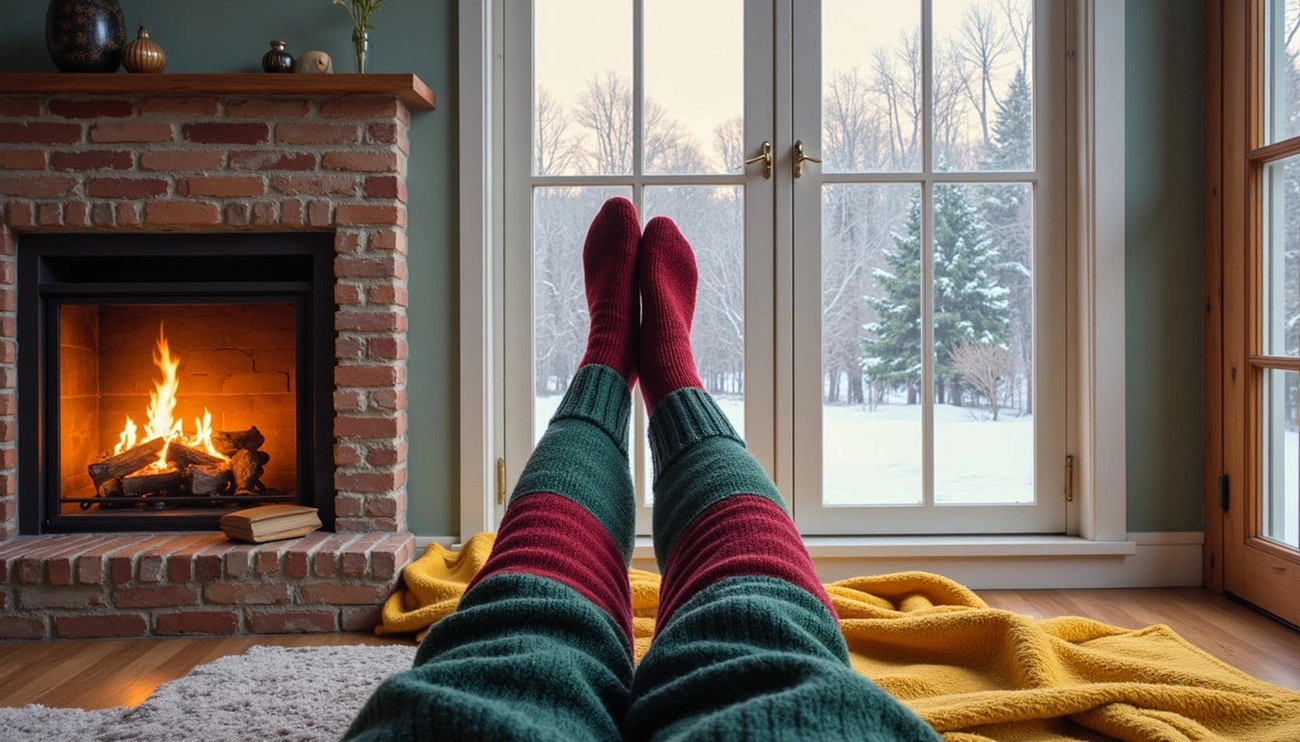
Cabin socks are a style of sock most commonly worn indoors during the winter season. They’re thicker than everyday socks and designed for warmth, softness, and comfort. The meaning of cabin socks goes beyond a name—these socks evoke memories of crackling fires, snowy landscapes outside frosted windows, and the simple pleasure of keeping your feet toasty on a cold morning.
Unlike performance or athletic socks, cabin socks are not meant for workouts or long days on your feet. Instead, they’re made for lounging, layering, and staying warm indoors. We find them perfect for relaxing at home on chilly days, at the cabin or lake house, during movie nights or slow weekends. While primarily designed for indoor comfort and relaxation, many people enjoy wearing them inside boots or shoes for short trips outdoors.
Key Features of Cabin Socks
Cabin socks feel warm without feeling heavy. They often feature soft yarns, cozy knits, and plush textures. Many styles include non-slip soles, perfect for navigating slippery kitchen tiles or wooden cabin floors, while reinforced heels and toes help them last season after season.
These socks are thoughtfully designed with cozy linings and moisture-wicking properties, ensuring your feet stay dry and comfortable even after hours of lounging. They’re crew in length and typically offer a roomier, more relaxed fit for long periods of lounging. Some styles incorporate gentle elastic cuffs that secure the sock without restricting circulation.
Materials Used in Cabin Socks
The most common materials used in cabin socks include wool, acrylic, and polyester. Wool is a popular choice as it’s a natural insulator and has moisture-wicking properties that help keep your feet dry. Merino wool is prized for its natural insulation, ability to wick moisture, breathability, and exquisite softness.
Fleece and sherpa linings deliver unmatched softness. Acrylic and polyester are known for their softness and durability. Premium socks may feature alpaca fiber or cashmere for added softness and coziness.
Cabin Socks vs Regular Socks
Regular socks are designed for daily wear, but cabin socks are designed for comfort. Cabin socks are usually thicker and focus on softness instead of structure. Their construction traps warm air close to the skin, creating a microclimate that keeps feet comfortable in cool indoor temperatures.
Different from regular socks that fit like a second skin, cabin socks offer a roomier fit. If you want something cozy for cold floors and downtime, cabin socks are the better choice.
Benefits of Wearing Cabin Socks
Superior Warmth and Insulation
Cabin socks excel at keeping your feet warm due to their use of thick, insulating materials like wool and fleece. These materials trap heat close to your skin, creating a barrier that prevents heat loss and enhances blood circulation in your feet. Wool is a natural fiber renowned for its insulating properties and can regulate temperature even in wet conditions.
Merino wool stands out among cabin sock materials. It can absorb up to 30% of its weight in moisture before feeling wet, making it excellent for keeping your feet dry and comfortable. The natural insulation helps keep feet warm and cozy, even in freezing temperatures. Wool also possesses naturally antimicrobial properties, meaning it resists the growth of odor-causing bacteria.
All-Day Comfort for Indoor Use
We appreciate cabin socks for their ability to provide comfort during extended wear. The breathable fabric allows for moisture control, keeping your feet dry and comfortable throughout the day. Merino wool naturally regulates temperature, keeping your feet warm when it’s cold and cool when it’s warm.
Extra cushioning and padding in cabin socks provide added comfort and impact absorption, reducing fatigue. Full terry construction features fabric knitted with a secondary loop throughout to provide extra cushioning. The softness of quality materials makes even the coldest floors feel more inviting. Accordingly, you can wear these socks all day because they provide comfort for relaxing and enough durability for everyday use.
Versatility for Different Activities
Cabin socks work well beyond lounging at home. For skiing, snowboarding, and walking in snowy conditions, these socks provide protection against cold feet and discomfort. They’re reliable companions after a day spent hiking or exploring trails.
Wearing cabin socks before sleeping helps give your brain a clear sleep signal. Studies by the National Sleep Foundation found the leading cause of restless nights being caused by cold feet. While primarily designed for indoor comfort, cabin socks adapt to various situations where warmth and comfort matter most.
How to Choose the Best Cabin Socks
Selecting the best cabin socks requires attention to several factors that directly impact your comfort and satisfaction.
Finding the Right Fit
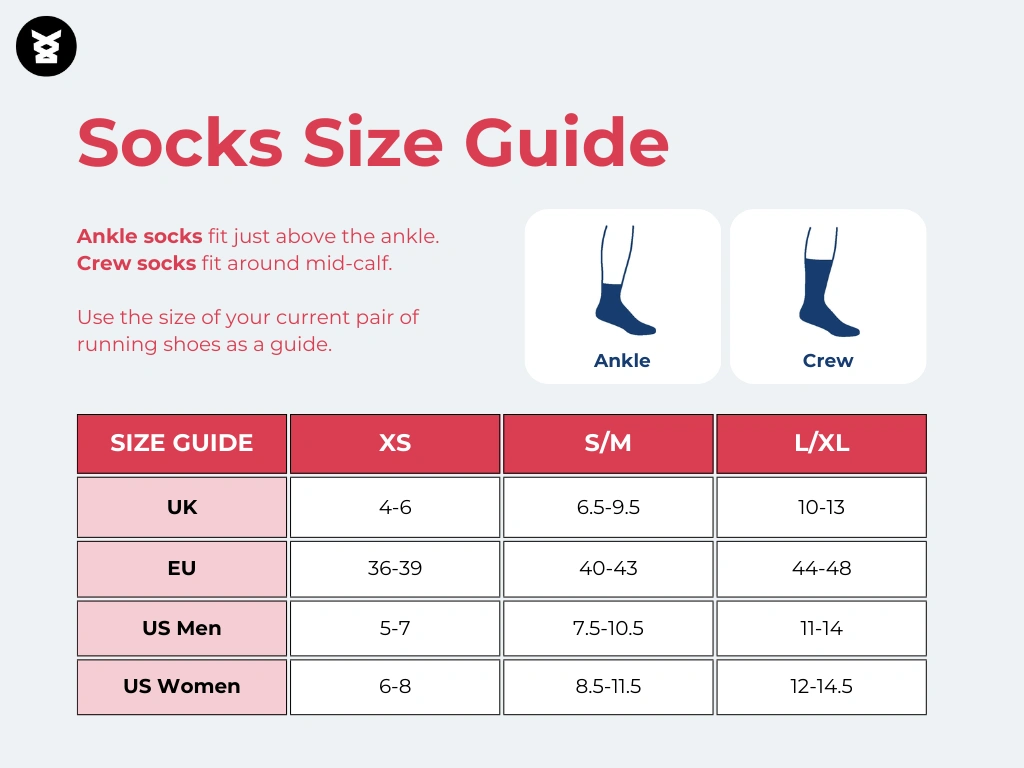
Your shoe size provides a reliable starting point for determining sock size. When you try socks on, look for a snug but not overly tight fit. A sock fits properly when the heel cup lines up with the heel of your foot. If you fall between two sizes, size up to avoid excess material that can bunch up. While outdoor socks often require a snug fit, indoors, a looser-fitting sock is most comfortable.
Selecting Quality Materials
Durability and craftsmanship matter when choosing cabin socks. Wool, hemp, high-quality cotton, or a mixture makes for excellent and lasting textiles. Merino wool provides natural elasticity that conforms to your foot shape without losing structure, maintaining fit the longest of any natural fiber. Material comfort factor can be fully embraced indoors because the threat of blisters is objectively lower.
Cabin Socks with Grippers for Safety
Non-slip grip soles provide additional traction on surfaces and prevent slipping. The non-slip grip ensures stability on various surfaces, making them ideal for both indoor and outdoor use. These rubber anti-slipping pads reach towards the heels for comprehensive coverage.
Style and Design Options
Cabin socks come in a variety of patterns and colors. Color and pattern can be fully explored because an indoor sock is most likely on full display. Whether you prefer a classic fair isle print, a solid unique color, or festive designs, options abound.
Price and Value Considerations
Cabin socks range in price, with options available around $13. Focus on quality construction with reinforced heels and toes to ensure longevity.
Caring for and Styling Your Cabin Socks
Proper care extends the life of your best cabin socks and keeps them performing at their peak season after season.
Washing and Maintenance Tips
Wash your cabin socks in cold water using a gentle cycle. Turn them inside out before washing to protect the exterior and prevent pilling. This allows dirt and sweat to be rinsed out more effectively. Avoid bleach and strong detergents, as these products will roughen the fabric. Instead, choose a mild detergent with a neutral pH. Fabric softener attacks the fibers and robs them of their natural softness and breathability. For drying, air drying is best, though you can tumble dry on low heat. Check the care label before washing, as various materials require certain washing methods.
How to Style Cabin Socks
Cozy cabin socks work well with boots and sneakers and function as warm slippers when worn solo. Combine your cabin socks with leggings and a chunky sweater or wear them beneath jeans while displaying a bit of the heel for a laid-back winter style. Make sure they’re visible rather than concealing them completely.
Storing Your Socks Properly
Fold your socks instead of rolling them into a ball to prevent unnecessary stretching. Store them vertically in your drawer for better visibility.
Conclusion
Cabin socks transform cold winter days into cozy experiences. Whether you choose merino wool for moisture-wicking warmth or fleece-lined options for maximum softness, the right pair makes all the difference. We’ve covered everything from materials and fit to safety features like grippers and proper care techniques. Basically, these socks are an investment in your comfort that pays off every time temperatures drop. Choose quality materials, find your perfect fit, and enjoy the warmth that only the best cabin socks can provide.