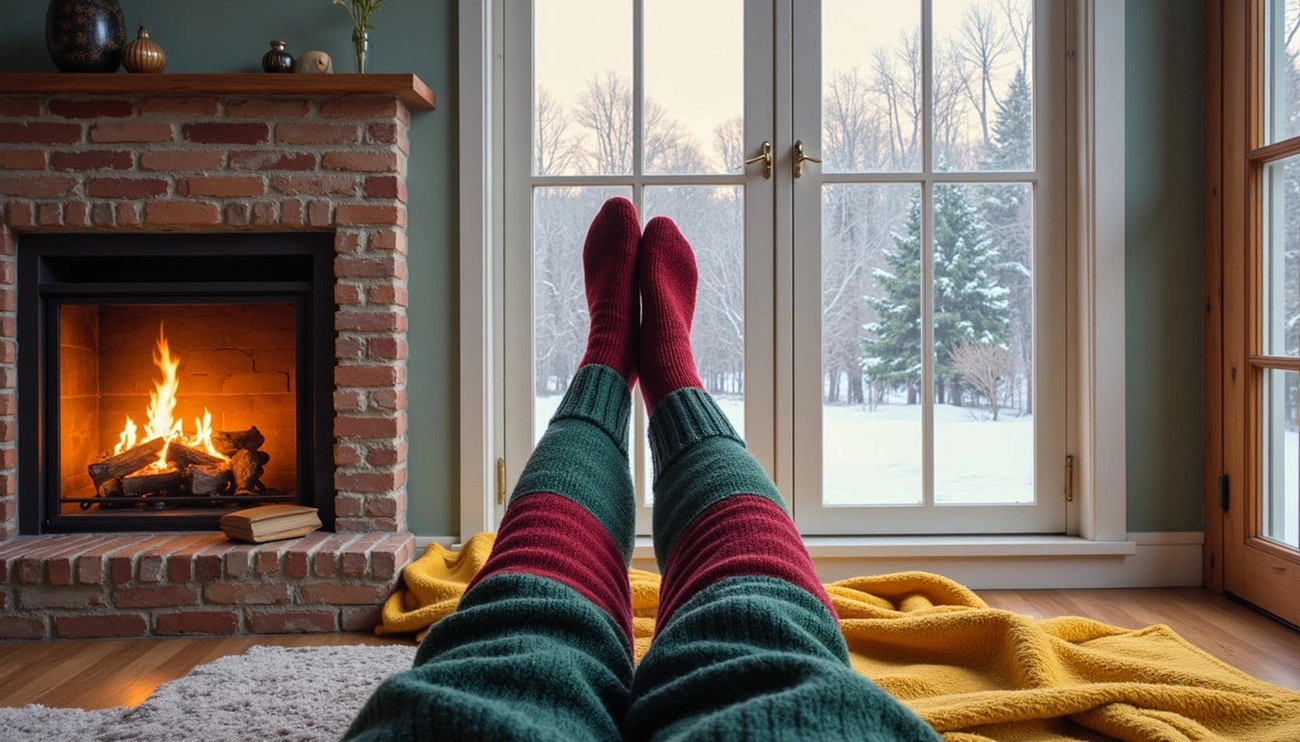
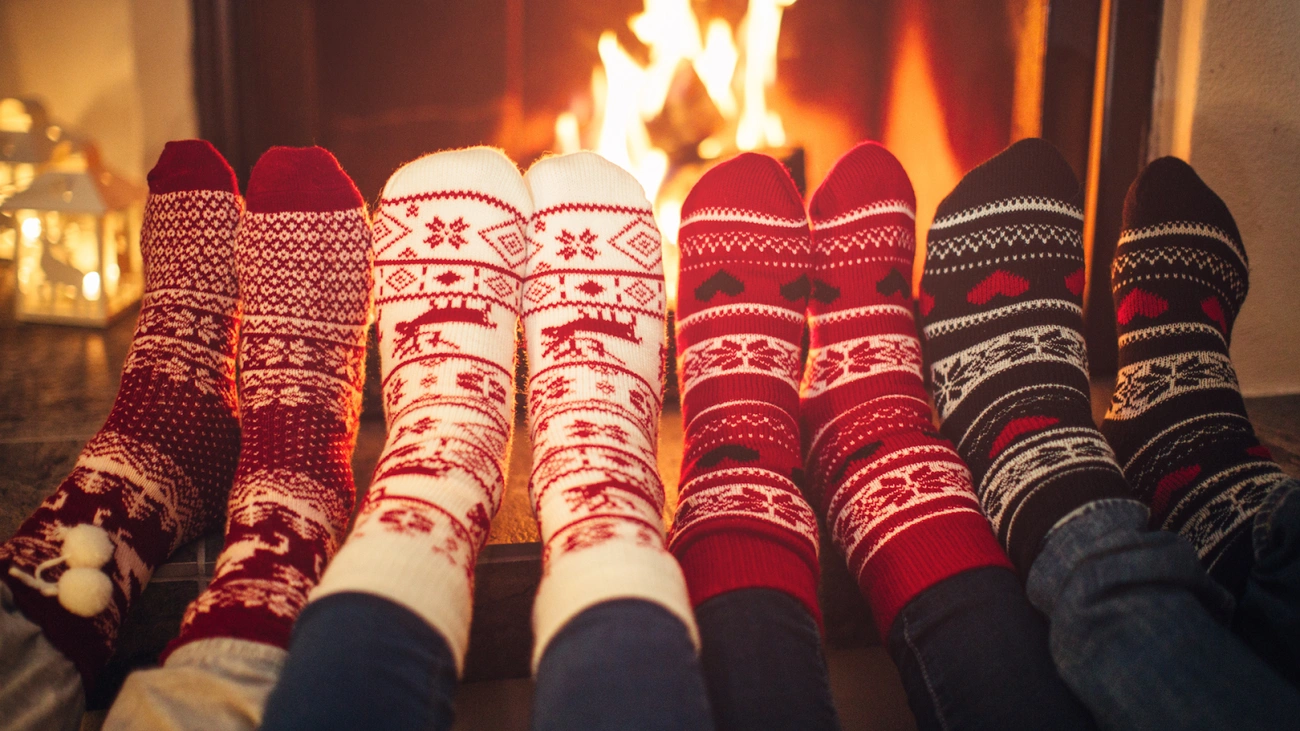
Thermal socks are thick, insulating socks designed to keep feet warm in cold conditions. Manufacturers make thermal socks from wool, acrylic, or polyester to trap body heat and manage moisture. Many thermal socks include brushed interiors and soft linings and are commonly used for winter sports, outdoor work, and circulation support.
What Are Thermal Socks and What Are They Made Of
Definition and Purpose of Thermal Socks
Thermal socks are designed to keep your feet warm over extended periods when temperatures drop. They accomplish this through superior insulation that traps body heat close to your skin while managing moisture to prevent that cold, clammy feeling regular socks create.
You can wear them as standalone footwear for everyday activities or layer them underneath heavier socks for activities like hiking and skiing. The versatility comes from their ability to provide warmth without causing excessive sweating, a common problem with thick cotton socks.
The primary function centers on maintaining the natural heat your body produces and using it as a heating mechanism for your feet. This differs significantly from simply adding bulk, which creates warmth only through thickness rather than intelligent heat management.
Common Materials Used in Thermal Socks
What material are thermal socks constructed from? The answer depends on whether you’re looking at synthetic, natural, or blended options.
Synthetic thermal socks typically use materials like acrylic, polyester, or nylon. These materials are lightweight and specifically engineered to trap warmth within their fibers. Some brands incorporate advanced synthetic materials like Thinsulate or Thermolite, which use microfibers or hollow-core fibers to trap warm air in less space.
Natural fiber options center on wool, particularly merino wool. Wool provides natural insulation that retains heat even when the material becomes damp. Merino wool stands out because its fine, crimped fibers trap air efficiently while remaining soft against your skin.
Many manufacturers now blend materials to capture benefits from both categories. Merino wool blends combine the natural warmth and moisture-wicking properties of wool with the lightweight durability of synthetics. These blends often include small percentages of spandex, lycra, or elastane (typically 5-15%) to enhance fit and provide flexibility.
The composition matters because different materials handle the three critical warmth factors differently: insulation, moisture management, and temperature regulation. Missing any one of these elements compromises overall warmth performance.
How Thermal Socks Differ from Regular Socks
The construction of thermal socks separates them from standard cotton or polyester crew socks in several ways. Thermal socks feature a thicker build compared to regular socks, which creates enhanced air pockets that hold warmth. The design usually includes a tighter fit around the ankle and calf to keep the socks secure and prevent heat from escaping.
Additionally, thermal insulated socks incorporate extra padding and reinforced heels to provide durability in harsh conditions. Arch support and cushioned soles not only add comfort but also reduce fatigue during long wear periods. Many feature seamless toe designs that minimize irritation during extended use.
Whereas regular cotton socks allow heat to escape quickly and trap moisture against your skin, thermal socks actively wick sweat away. Cotton takes much longer to dry, leading to wet, cold feet and increased blister potential. Synthetic and wool thermal materials either repel moisture or dry quickly, maintaining warmth even in damp conditions.
The difference extends beyond just thickness. Some thermal socks feature brushed or fuzzy interior textures that create additional air-trapping capacity. Others incorporate multiple layers for added insulation and cushioning. Thermal boot socks, specifically, provide extended coverage up the calf, protecting more surface area from cold air exposure.
How Thermal Socks Work to Keep Your Feet Warm
The Science of Heat Retention and Insulation
Your body constantly generates heat, and in cold conditions, that warmth naturally escapes to cooler surroundings. Thermal socks combat three distinct types of heat loss: conductive (through direct contact), convective (through air movement), and radiative (through thermal energy emission).
Materials with low thermal conductivity form the foundation of what are thermal socks designed to accomplish. These fibers are poor heat conductors, which means they resist transferring warmth away from your skin. Because still air ranks among nature’s best insulators, the fabric structure aims to trap air layers close to your feet.
Advanced thermal socks incorporate bio-ceramic additives that absorb and emit thermal energy back to your skin. Research shows these additives improved heat retention capability by 1.5°C and microclimate temperature by 2°C. Fabrics containing Resistex Bioceramic yarns achieved warming temperatures of 53.6°C, creating a microclimate temperature of 35.3°C between skin and sock while maintaining a lower heat exchange temperature of 29.33°C on the outer surface.
Studies confirm acrylic-blend thermal socks outperform 100% cotton options by 2.3°C during cold exposure. Acrylic retains up to 40% more warmth than cotton. Given that your feet play a significant role in overall body temperature, keeping them warm improves total thermal comfort by up to 30%.
Moisture-Wicking Properties Explained
Wet feet lose heat 25 times faster than dry feet. Consequently, moisture management becomes just as critical as insulation for maintaining warmth. What material are thermal socks made from determines their moisture-handling effectiveness.
Wool absorbs up to 30% of its weight in moisture vapor without feeling damp. The fibers draw sweat away from skin and allow it to evaporate while still retaining heat. In addition to absorption capacity, different materials show varying wicking speeds. Alpaca fiber wicks moisture at twice the rate of merino wool while absorbing only 8% of its weight in water compared to merino’s 30% and cotton’s 60%.
Synthetic materials like acrylic and polyester excel at pulling moisture along fiber surfaces rather than absorbing it. This allows sweat to travel away from your skin and evaporate quickly. During extended wear or high-intensity activities, this feature prevents the dampness that leads to cold, uncomfortable feet.
Water vapor permeability measurements show quality thermal socks achieve rates of 1729 g/m² × 24 hours, ensuring adequate breathability while maintaining insulation. For instance, merino wool retains its insulating properties even when wet, unlike cotton which becomes cold and clammy.
Air Pocket Technology in Thermal Sock Construction
The knit pattern creates small air pockets within the fabric structure. These pockets trap warm air close to your skin, adding an insulation layer beyond what the material alone provides. The crimped structure of wool fibers naturally creates tiny air spaces, while synthetic materials rely on specific knitting techniques.
Many thermal insulated socks feature intensely brushed interiors with long-loop thermal pile construction. This brushed texture maximizes trapped air volume, creating what are thermal boot socks that perform significantly better than standard options. Some brands engineer socks that are 7X warmer than average cotton socks through this combination of advanced yarns and construction methods.
The loftier, denser knit increases air-trapping capacity while providing wind resistance to prevent cold air from stripping heat away. Alpaca fiber’s hollow core structure provides 30% more insulation than merino wool because the internal air channels enhance natural heat retention.
Key Benefits and Features of Thermal Socks
Temperature Regulation and Warmth
The engineered design of what are thermal socks delivers markedly superior heat retention compared to standard footwear. These socks maintain warmth without adding excessive bulk, making them practical for winter activities ranging from skiing to running errands on cold days. The ability to preserve body heat for several hours stems from their construction, which creates insulation layers that prevent heat loss while your feet remain active.
Thermal boot socks excel in extreme cold environments where prolonged outdoor exposure occurs. For those spending extended hours outside, these socks become necessary to maintain circulation and prevent heat loss. The warmth generated by your body reaches your feet and stays preserved, keeping your entire body comfortable regardless of weather conditions.
Breathability and Comfort
Quality thermal insulated socks strike a balance between warmth retention and air circulation. Extra cushioning and padding provide impact absorption, reducing fatigue during long wear periods. Strategically placed cushioning in high-pressure areas like the heel and ball of the foot offers targeted support and protection.
Seamless construction minimizes friction and irritation, ensuring smooth contact against your skin. The absence of seams eliminates rubbing or chafing risks, making them suitable for intense physical activities or extended wear. Coupled with arch support features, these design elements enhance overall comfort during prolonged use.
Odor Resistance and Antimicrobial Properties
Wool possesses natural antimicrobial characteristics, resisting odor-causing bacteria growth. This makes wool options ideal for individuals prone to foot odor or those engaging in activities causing excessive sweating. Synthetic options frequently incorporate antimicrobial treatments that effectively eliminate bacteria and microorganisms responsible for unpleasant smells.
Silver fiber technology provides another advancement, offering moisture-wicking properties alongside natural antimicrobial benefits. These innovations help maintain freshness during long wear periods, reducing the need for frequent washing.
Durability and Cushioning
Reinforced stitching contributes to longevity, particularly for those frequently engaging in rugged outdoor activities. The construction withstands wear and tear over time, making thermal socks a worthwhile investment. Some varieties include slip-resistant pads underneath, which work great for hiking or mountain climbing by helping socks grip better to surfaces.
Underfoot reinforced cushioning provides shock absorption for maximum comfort. The combination of cushioning with compression control improves blood circulation and reduces fatigue during extended activities.
Protection Against Cold-Related Foot Problems
Thermal socks reduce risks of colds and flu that can develop when feet remain cold. More importantly, they help prevent serious conditions like frostbite, chilblains, and trench foot during polar extreme temperatures. The trapped warm air layer and prevention of dampness inside boots enhances protection and comfort throughout winter.
For those with diabetes, specialized thermal diabetic socks control moisture to reduce fungal infection risks while featuring additional cushioning to prevent foot ulcers. These socks also improve blood circulation, addressing the circulatory challenges that cold weather creates.
Different Types of Thermal Socks Available
Wool Thermal Socks
Wool varieties represent one of the two primary categories you’ll encounter when shopping for what are thermal socks. Merino wool socks stand out within this group because the fibers are finer and softer than traditional wool, eliminating the itchiness some people experience. The crimped structure creates tiny air pockets that trap warm air close to your skin.
Some specialized wool socks combine merino with performance yarns, achieving 38% merino content for enhanced insulating power during the coldest, longest days. For those seeking maximum warmth, certain brands use proprietary processes with long looped pile that is intensively brushed, resulting in socks 8X warmer than average cotton options.
Synthetic Material Thermal Socks
Acrylic and polyester dominate the synthetic thermal sock market due to their softness and moisture-wicking capabilities. These materials effectively draw moisture away from skin, preventing blister formation while remaining lightweight and breathable for activities like hiking, skiing, or snowboarding.
Advanced thermal yarns that are long-looped and intensely brushed make some synthetic options 7X warmer than average cotton socks while remaining extremely soft. Polyester’s resistance to shrinking, stretching, and wrinkling extends longevity, while its low moisture absorption rate enables quick drying after exposure to rain or snow.
What Are Thermal Insulated Socks
Thermal insulated socks feature multiple layers of insulation using combinations of natural and synthetic materials. The layers create a barrier trapping heat and preventing escape, ideal for extremely cold temperatures or prolonged outdoor exposure in freezing conditions. Enhanced moisture-wicking properties from different insulation materials efficiently draw away sweat, keeping feet dry and preventing discomfort.
What Are Thermal Boot Socks
Boot socks are built specifically for extreme cold weather with heavyweight material construction. Military-style thermal boot socks typically use 85% cotton and 15% nylon blends designed to retain heat. High-power instep elastic locks in blister-free fit, while nylon reinforcement yarns at heel and toe boost durability.
Thermal Socks for Specific Activities
Ski socks require specific features including merino wool or technical fibers for thermal insulation even below zero temperatures. Moisture-Vent technology and macro-channels in the arch wick sweat away, preventing chilling and blisters. Sensitive areas like shin, calf, instep, heel, and toes receive reinforced padding to cushion pressure during long skiing days. Left foot and right foot anatomical construction ensures precise fit without creases or compression zones.
How to Choose the Best Thermal Socks for Your Needs
Selecting what are thermal socks that match your specific needs requires evaluating several factors beyond just warmth ratings.
Consider Your Activity Level and Environment
Temperature range matters, but activity intensity determines your actual requirements. Stationary activities like ice fishing demand thicker insulation, while movement-based pursuits like winter hiking generate body heat and require less bulk to avoid overheating. For example, thick socks provide better insulation when sitting still, but that same thickness creates problems during constant movement where excess bulk leads to overheating and sweaty feet.
Selecting the Right Material for Your Situation
Match materials to your specific conditions. Merino wool excels at insulation and moisture control for varied activities. Acrylic offers strong durability and moisture management during strenuous activities. The more idle time you expect, the more you should favor insulation-focused fibers like merino wool. Conversely, active pursuits benefit from durable, moisture-managing fibers like acrylic and nylon.
Finding the Proper Size and Fit
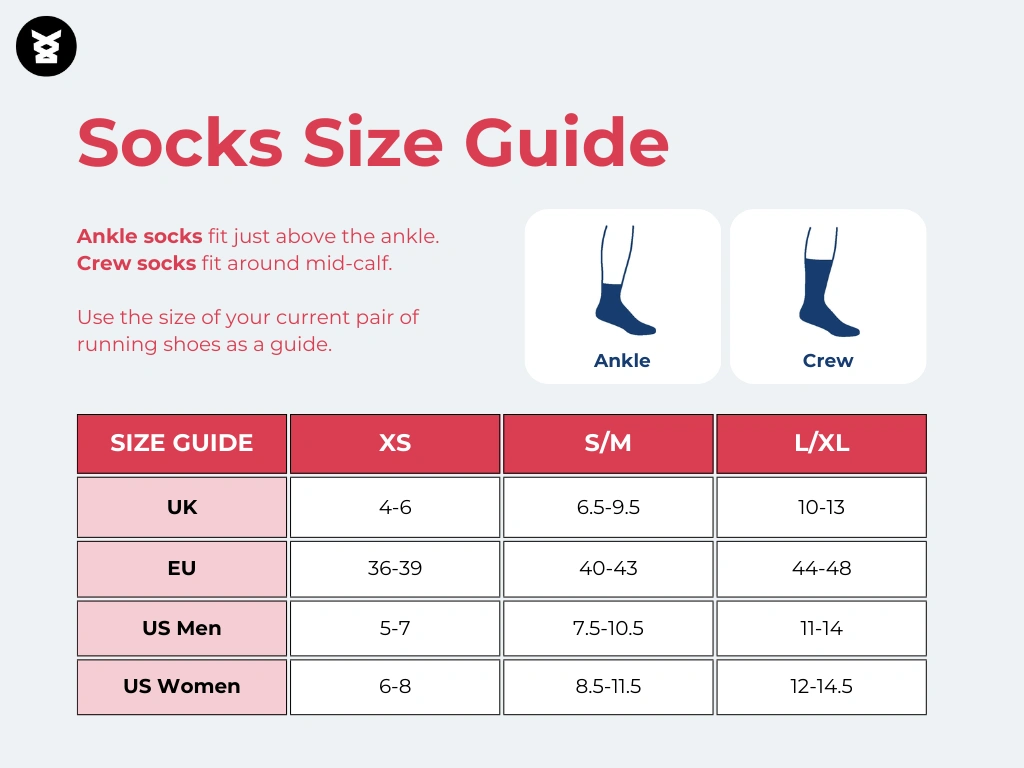
Your shoe size indicates which sock size you need. Most sock sizes fit 2-3 shoe sizes. If you fall between two size categories, size up. A snug but not overly tight fit is recommended. Tight socks restrict blood flow, leading to cold feet, while loose socks cause wrinkling and discomfort. Refer to manufacturer size charts considering shoe size, foot length, and calf circumference. Measure both feet and choose the larger size if there’s a significant difference.
Thickness and Cushioning Options
Medium to thick socks work for hiking depending on terrain and boot type. Winter sports necessitate thick socks for insulation and cushioning. Running requires thin to medium thickness for breathability. Thicker socks can make shoes feel tighter, which restricts circulation and leaves feet colder.
Budget and Quality Considerations
Quality materials don’t come free, even at affordable prices. Check material composition, fit details, and reinforced toe and heel construction before purchasing.
Care and Maintenance Requirements
Wash in cold or lukewarm water (≤30°C / 86°F) using mild, neutral detergent. Hand washing is recommended. For machine washing, use a mesh laundry bag on gentle cycle, maximum 600 RPM spin speed. Air-dry completely in well-ventilated areas. Store only when completely dry to prevent mold. Rotate pairs to allow full drying between uses, reducing odor and bacterial growth. Avoid excessive heat or direct sunlight, as it weakens fibers and impairs insulation properties.
Conclusion
Cold feet can ruin any winter activity, but you now have the knowledge to choose thermal socks that actually work. The material matters more than thickness alone; merino wool excels at moisture management, while synthetics offer durability and quick drying. In essence, the best thermal socks balance insulation, breathability, and fit for your specific needs.
Whether you need thermal boot socks for extreme conditions or lightweight options for everyday wear, start by matching the material to your activity level. Choose carefully based on what you’ve learned here, and your feet will stay warm and comfortable throughout the coldest months ahead.