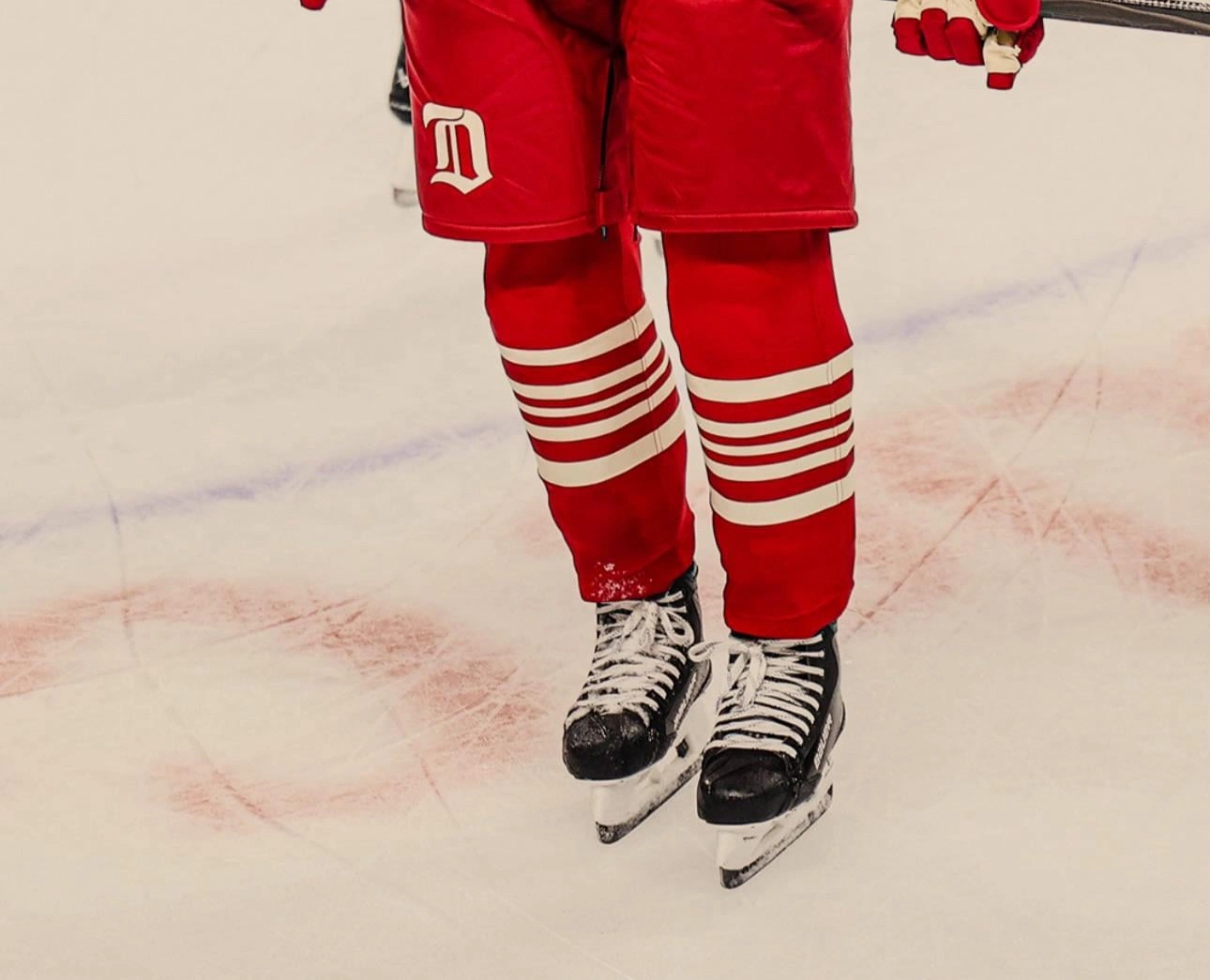
Hockey players tape their socks to secure shin pads and prevent movement during play. Tape keeps the socks tight against the leg, which stabilizes protective gear and maintains consistent coverage. This setup prevents equipment interference with skates and creates a customized, secure fit that reduces distractions on the ice.
What Is Hockey Sock Tape and Why It Matters
The Purpose of Taping Hockey Socks
Hockey sock tape serves one primary function: securing your socks over shin guards to prevent shifting during play. This specialized tape holds protective gear firmly in place through aggressive skating, checking, and falls, stopping shin guards from exposing vulnerable areas to injury. The tape also prevents socks from sliding down or bunching up during games, which can cause distractions and discomfort when you’re trying to focus on the puck.
Types of Tape Used for Hockey Socks
Sock tape goes by several names depending on where you play. You’ll hear it called shin guard tape, clear tape, or shin tape. Regional differences exist, with players in Eastern Canada calling it clear tape, while Manitoba and British Columbia players commonly use the term sock tape.
The tape itself is made from stretchy, flexible plastic material. Some manufacturers use polyurethane, while others opt for polyethylene. Both materials deliver the same core benefits: strength, durability, and water resistance[21]. These properties make the tape reliable shift after shift, holding your equipment in place without breaking down from sweat or ice contact.
Modern sock tape combines elite-level durability with controlled stretch. The stretch allows the tape to lock your pads in place without cutting off circulation, adapting comfortably to your movement throughout the game.
Clear Tape vs. Other Taping Options
Clear tape remains the most popular choice among players. Its transparent appearance creates a clean, professional look that works with any sock color. While clear is standard, sock tape actually comes in various widths and colors, including black and themed designs[42].
Colored sock tape offers the same functionality as clear options. Some players prefer colored tape to match their team colors or add personal style. The Renfrew brand produces themed cloth hockey tape with different design choices that work on shin pads, giving you options beyond the standard clear roll.
Width selection matters when choosing your tape. Different widths provide varying levels of coverage and security, though the factual sources don’t specify exact measurements. You’ll find options designed specifically for holding shin pads, like the Renfrew Clear Shinpad Hockey Tape, which players trust as their go-to option for securing socks.
Why Do Hockey Players Put Tape on Their Socks
Keeping Shin Guards Securely in Place
Shin guards rank among your most important protective equipment. They shield you from falls, stick impacts, and blocked shots. When a guard becomes dislodged or shifts even an inch to the side, you’re exposed to a potentially painful injury. Tape prevents your shin guards from moving around your leg, creating a stable foundation that holds through aggressive play.
Almost every hockey player uses clear tape on their socks to help secure their shin pads. The tape pulls your shin pads closer to your leg, eliminating the space that allows rotation or shifting. This tight connection between guard and leg means you can focus on your game rather than adjusting equipment between shifts.
Preventing Equipment Slippage During Play
Nothing compares to the frustration of skating down the ice with a shin guard constantly turning and shifting during each stride. This rotation usually occurs when shin guards aren’t fitting properly or haven’t been securely strapped onto your leg. Tape solves this problem by adding an external layer of security that internal straps can’t always provide.
Without proper taping, you’ll find yourself pulling up shin guards mid-game. Not having to worry about this adjustment gives you a solid fit and eliminates concerns about losing protection from a sliding shin guard.
Maintaining Proper Protection Coverage
When shin guards shift during play, gaps open in your protective coverage. These exposed areas become vulnerable to sticks, pucks, and contact from other players. Tape holds shin pads securely in place while providing sufficient elasticity for you to skate comfortably throughout the game. This balance between security and mobility keeps your protection where it belongs.
Creating a Professional Appearance
Properly taped socks create a clean, finished look on the ice. The tape smooths out bunching and keeps your uniform appearance consistent throughout the game.
How Do Hockey Players Keep Their Socks Up
Step-by-Step Sock Taping Technique
Most hockey undergarments include Velcro garters that attach to the top of your sock, but tape provides the security you need. Start by peeling about 3-4 inches from your tape roll. Press it firmly onto your hockey sock horizontally, right under where the kneecap starts on your shin pad underneath the sock.
Pull the tape taut and wrap it 2 full times around your socks and shin pads to secure everything tightly in place. Following this, pull the tape diagonally down and across to your lower shins, a little above your ankles. Wrap it 2 full times around your socks and shin pads at this lower position, then tear the tape and stick the end down.
Create a small fold by turning about 1/4 inch of the tape end back under itself. This tab makes removal quick and effortless after games.
Choosing the Right Tape Width
Shin guard tape comes in various widths. The stretchy, flexible plastic material provides a tight yet comfortable fit across different size options. Width selection depends on personal preference and coverage needs.
How Much Tape to Use
Going around one or two times around the sock over the shin guard ensures socks stay put. Some players wrap once below the knee and once above the tendon guard. Others prefer a continuous piece pulled from ankle to knee. In similar fashion, you can tape just below the knee, cross down the sock, then wrap around the ankle.
Common Taping Mistakes to Avoid
Wrapping too tight restricts blood flow and movement. Skipping the fold tab means fighting with stuck tape after your skate. Not pulling the tape taut during application allows guards to shift despite being taped.
Best Practices for Taping Hockey Socks in 2026
When to Replace Your Sock Tape
Tape wears down over time, losing its grip and effectiveness. Replace your sock tape regularly to maintain optimal performance. Remove old tape within 24-48 hours of deciding to re-tape. Adhesive bonds strengthen over time, and tape left on for weeks forms stronger bonds and leaves more residue than tape removed after a few days. Quality tape releases more cleanly during removal compared to budget options. The few dollars saved on cheap tape cost more in cleaning time and potential equipment damage.
Tape Removal Tips Without Damaging Gear
Use the sticky side of old tape you just removed to rub off residue from your gear. This method works surprisingly well for fresh applications. For stubborn adhesive, apply goo-gone on a paper towel and wipe everything away. Clean between tape jobs rather than taping over previous residue. Even a quick wipe with an alcohol cloth prevents residue layers from building up. Avoid over-taping, as using more tape than necessary creates more residue without proportional benefit.
Alternative Methods for Securing Socks
Shin guard straps with velcro attachment systems are reusable for every game, eliminating the need to keep buying shin tape. Shin sleeves offer another option, sitting directly on your shin guards underneath hockey socks to prevent twisting and sliding. These alternatives cost more upfront but pay for themselves long-term.
Conclusion
Taping your hockey socks isn’t just about tradition; it’s essential for keeping your shin guards secure and maintaining proper protection on the ice. Given these points, you now understand the techniques that prevent equipment slippage and reduce injury risk during play.
For that reason, I recommend investing in quality sock tape and learning proper application methods. The few extra dollars spent on reliable tape will save you time on cleanup and keep your gear in better condition. Master the taping technique, and you’ll skate with confidence knowing your protection stays exactly where it belongs.