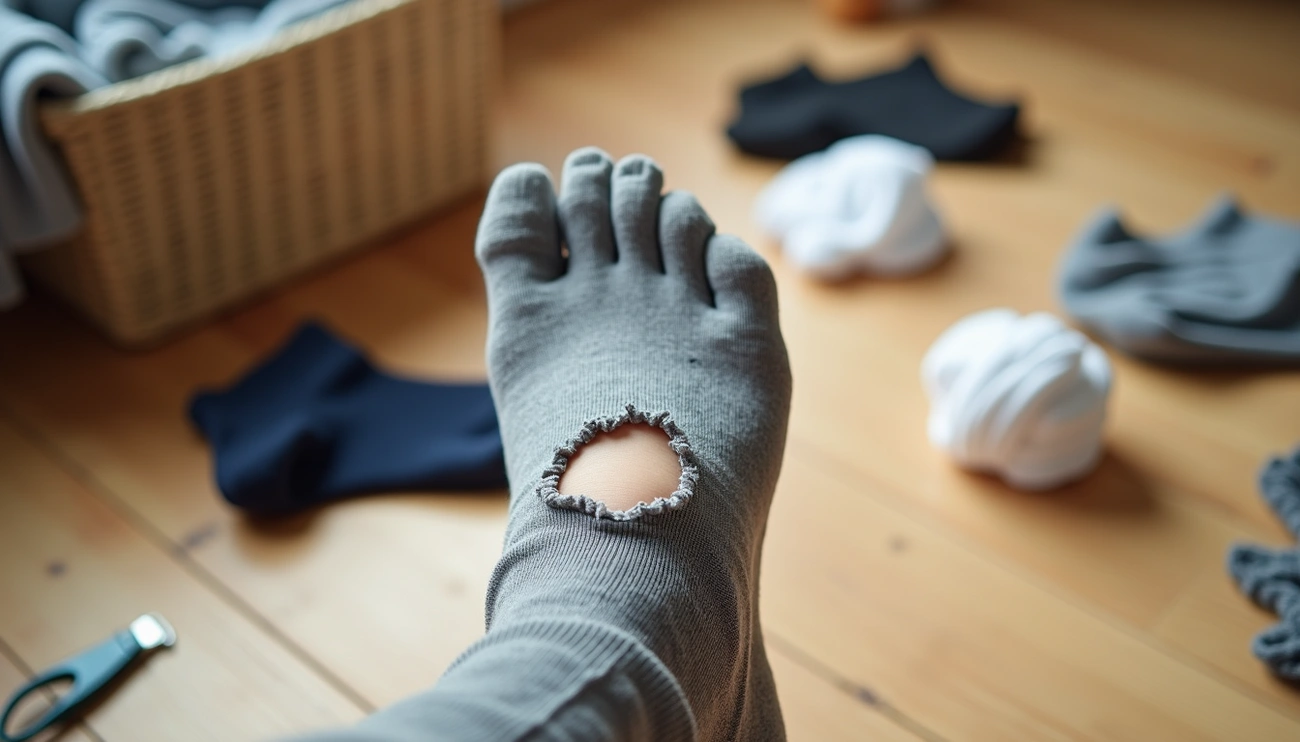
Socks get holes due to friction from walking, rough toenails, or dry skin that abrades fabric fibers. Ill-fitting or thin socks wear faster under pressure points. High-heat drying weakens fibers, while walking on hard floors without shoes increases wear. Most socks develop holes after 6–12 months of regular use.
Why Do My Socks Keep Getting Holes

Friction from daily walking and movement
Between your foot, the shoe, and the ground, socks endure constant stress. An individual takes about 8,000 to 10,000 steps daily, and each step pushes your toes against the fabric. The heels and toes absorb continuous impact while walking and rub directly against the shoe counter. This concentrated pressure thins the yarn, weakens it, and eventually causes it to give way. A snug shoe squeezes the fabric tighter, while a rough insole lining rubs harder. Movement inside shoes, pressure when walking, and contact with the shoe’s interior create thinning.
Long or untrimmed toenails
Sharp, uneven, or overly long toenails act like tiny blades. Even high-quality fibers can’t resist constant cutting. Your nails can be your socks’ worst enemy. Long toenails can poke through socks, leading to holes. Toenails that aren’t regularly trimmed or filed create friction against the fabric, particularly at the toes. Rough heels and untrimmed toenails act as tiny blades against the soft sock fabric.
Poor quality materials and thin fabric
Low-grade cotton or synthetic fibers that fray easily are the bane of your socks’ existence. Mass-produced socks made out of low-grade cotton blend or synthetic material cannot withstand the test of time. Basic cotton feels soft, but it lacks elasticity and tears easily under stress. These fabrics quickly become weak when stretched repeatedly and start creating premature holes and fraying. Cheap socks often develop holes after just a few uses, with thin fabric that easily frays.
Wrong sock size for your feet
Socks that are too tight guarantee unnecessary friction and strain on the fibers. When your socks are too small, you stretch them too thin, leaving them exposed to ripping. Correspondingly, if they are too big, they slide around inside your shoes, leading to degradation and friction. A poor fit means bunching, which causes folds that rub intensely in specific spots. Tight socks stretch beyond their normal elasticity, making them more prone to rips.
Intense physical activity and sweating
For athletes and sports enthusiasts, intense physical activity and sweaty feet add even more reasons for socks to develop holes. With repeated movements, humidity, and constant pressure, your socks’ fibers don’t stand much of chance. Combine this with shoes that don’t breathe well, and your socks almost always end up torn. The combination of sweaty feet and wear can easily cause problems.
Walking around without shoes
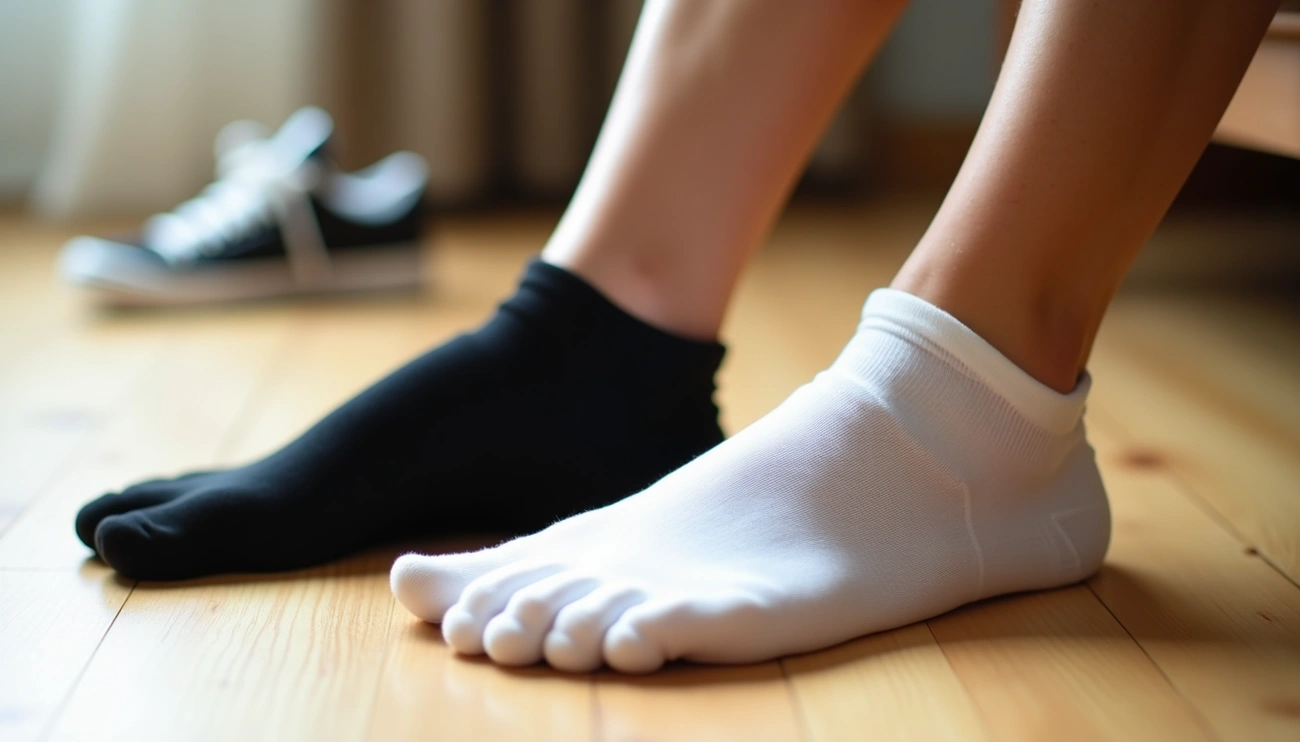
Walking around in socks without the protection of shoes causes significant wear and tear. Hard surfaces like floors abrade the fabric, particularly at the heels and balls of the feet. Carpets and rough-textured tiles inside, or splintery decking and abrasive concrete outside the house, can easily snag or wear holes in socks over time. Walking on rough floors or carpets in socks wears them down, especially on the heels.
How to Prevent Holes in Socks

Choose socks with reinforced toes and heels
Reinforced heels and toes function as armor plates for your socks. Extra yarn and thicker stitching in these high-impact zones withstand more wear. These reinforcements prevent your toes from poking through and stop holes from appearing due to rubbing against shoes. Socks with padded heels create a cushioned barrier between your feet and footwear.
Match your socks to your activity level
A sock designed for the right job fits better, moves less, and wears more evenly. Reinforcements land where abrasion actually happens, cushion gets placed where impact is highest, and the sock’s structure matches how your foot moves. When fit is right, durability follows.
Trim your toenails regularly
Get in the habit of trimming your toenails every 6-8 weeks. Trim straight across and leave 1-2mm of the white end visible. After trimming, file the edges to smooth any rough corners. This makes it less likely that your nails will catch on socks or shoes.
Keep your feet smooth and moisturized
Dry skin loses stretch and flexibility, causing it to crack under mechanical pressure from walking. Apply a foot-specific moisturizer daily, using 10% urea based creams as standard or 20% urea based creams for particularly dry skin. Moisturized feet minimize the friction your socks experience.
Buy socks that actually fit your feet
Check your shoe size and refer to sock sizing charts to pick the correlating sock size. If you’re between sizes, size up to the next sock size. Socks that are too small stretch the fibers too thin and become more prone to tearing. Conversely, socks that are too big bunch inside your shoes, creating extra friction.
Rotate your sock collection
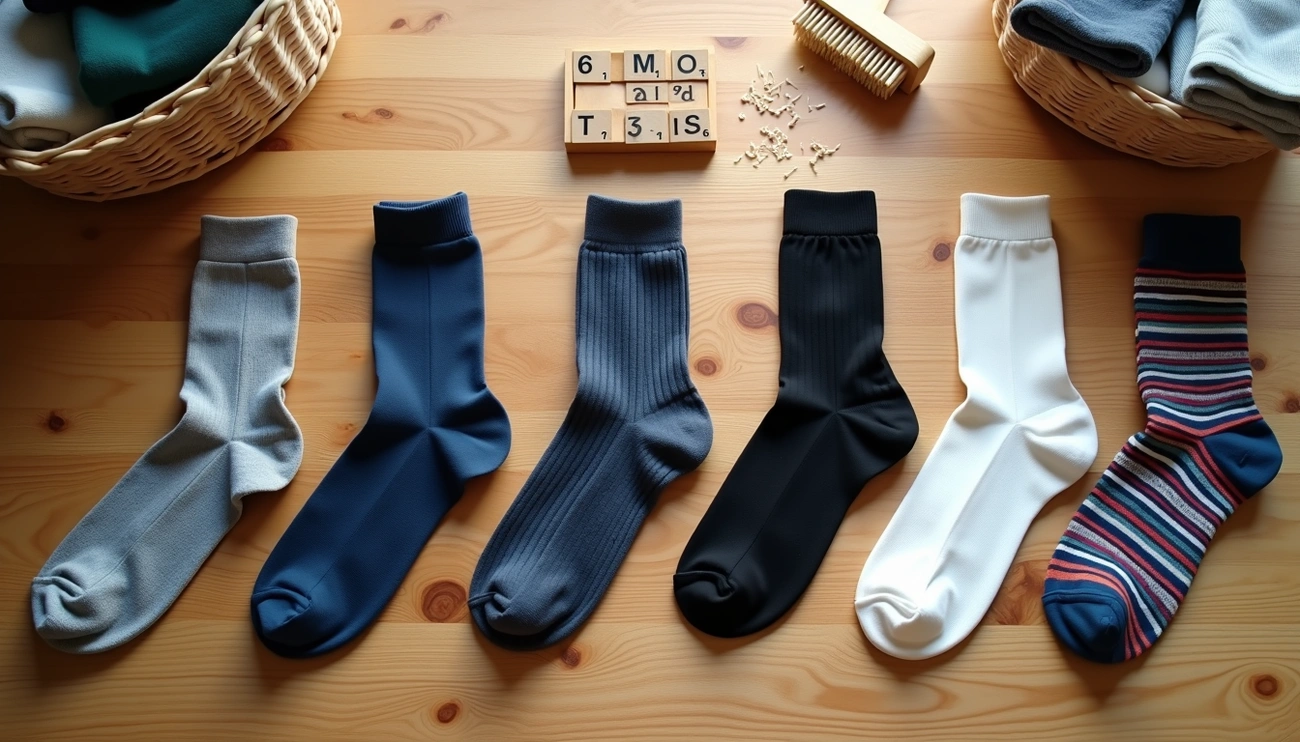
Rotating pairs gives fibers time to recover between wears. Fabric needs time to return to its normal shape after stretching during the day. Aim to have at least five to seven pairs of socks in regular circulation.
How to Care for Your Socks Properly

Wash socks in cold water on gentle cycle
Hot water weakens elastic fibers, fades dyes, and makes shrinkage inevitable. Cold water cleans socks effectively while protecting the fabric. A gentle cycle reduces friction and fabric stress, which matters because socks can easily twist and rub in harsher cycles. For most cotton and synthetic blends, cold water paired with a delicate setting preserves both elasticity and color.
Turn socks inside out before washing
Most grime accumulates on the inside where sweat, dead skin cells, and bacteria build up throughout the day. Flipping socks inside out exposes this dirtiest surface directly to water and detergent. This simple step also protects the outer fabric from friction damage during washing, helping preserve colors and patterns. Your socks look newer for longer when washed this way.
Air dry instead of using the dryer
Dryers damage socks through heat and tumbling action. High heat causes fibers to contract and lose elasticity, leading to permanent shrinkage. The dryer also destroys the rubber elastic in socks. Lay socks flat on a drying rack or hang them to air dry. If pressed for time, use the lowest heat setting available.
Avoid harsh detergents and bleach
Bleach quickly makes socks look unsightly and damages the texture. Harsh detergents attack delicate fibers, making socks rough and stiff. Skip fabric softener entirely as it coats fibers and blocks moisture-wicking channels.
What to Do When Your Socks Get Holes

When darning makes sense
Small holes deserve a second chance. Darning takes just a few minutes for minor damage and up to an hour for larger holes. The technique involves weaving thread over the hole to create new fabric, and it works on wool, cotton, and synthetic materials. Beyond saving money, repairing instead of discarding reduces your carbon footprint. Running socks that cost $35 per pair can gain an entire extra year of use through darning.
When to replace instead of repair
Thinning fabric that lets you see your skin through it signals the end. Loss of elasticity causes socks to slip down and bunch inside shoes. Persistent odor after washing indicates bacteria have settled into broken-down fibers. Discomfort, blisters, or rubbing while wearing socks means they no longer provide adequate protection. At this point, replacement beats repair.
How long quality socks should last
Casual socks typically last 6 to 24 months with regular use. Athletic socks need replacing every 3 to 6 months on account of friction and sweat exposure. High-quality cotton socks can reach 9 to 12 months when rotated and cared for properly. Performance socks generally survive around 50 wash cycles or roughly one year.
Conclusion
Sock holes don’t have to be inevitable. After all, when you combine quality materials with proper fit, regular nail maintenance, and careful washing habits, your socks will last significantly longer. On the whole, investing in reinforced socks and rotating your collection saves money in the long run. Darn small holes when they appear, but don’t hesitate to replace socks once the fabric thins. Consequently, you’ll enjoy comfortable, hole-free socks for months instead of weeks.