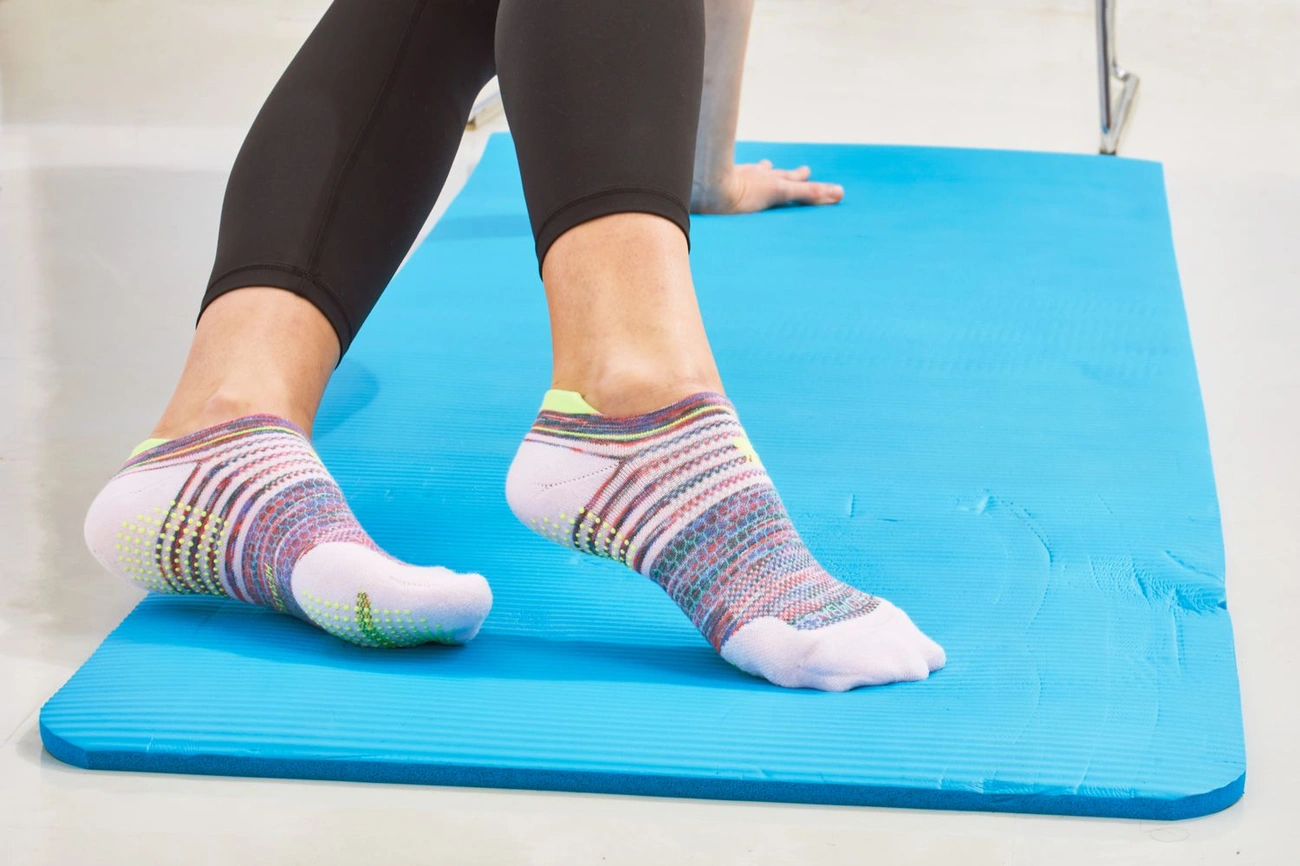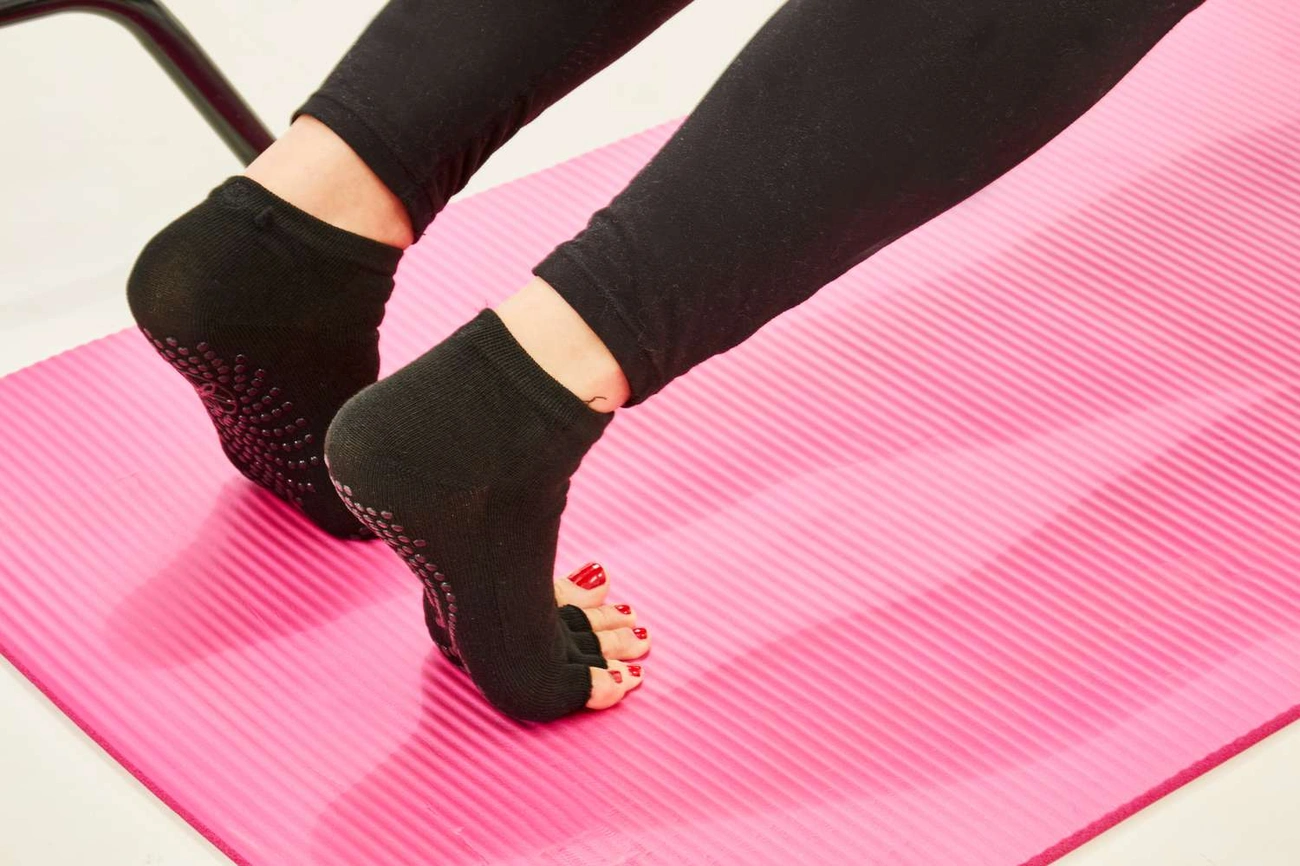

Yes, you can do grounding with socks on if the socks allow electrical conductivity. Thin socks made from natural fibers like cotton or wool can transfer electrons, especially when moisture from sweat increases conductivity. Conductive silver-fiber grounding socks also work effectively when used with indoor grounding mats or grounded footwear.
What Is Grounding and How Does It Work?
The basics of earthing
Grounding refers to direct skin contact with the Earth’s surface, such as walking barefoot on grass, sand, or soil. The Earth conducts a direct current (DC) energy that flows continuously across its surface, creating a global electrical circuit. Our bodies, which are highly conductive, become part of this natural circuit whenever we make contact with the ground.
The human body operates using DC energy for everything from heartbeats to muscle movement to brain function. When we touch the Earth, we join this global electrical circuit, putting the body into what research describes as a healing state. This connection works because the Earth maintains an overall negative electric charge, while the atmosphere carries positive charges to keep the system neutral.
Why direct contact matters
The effectiveness of grounding hinges on conductivity. Your skin acts as a natural conductor, allowing electrons to travel freely from the Earth into your body. The human body has a capacitance of approximately 100 pF (picofarads), where units of Farads equal Coulombs per volt. When an electrical path to ground exists, the body discharges and its potential goes to zero.
Modern lifestyles create a problem. Living in shoes, sleeping on insulated mattresses, and staying indoors means our bodies accumulate a slight positive charge, becoming electron-deficient. This separation from the Earth’s natural charge is where the question of whether grounding works with socks becomes relevant. Conductivity determines how effectively electrons can transfer.
The role of electrons in grounding
Electrons flow from lower electric potential (more negative) to higher electric potential (more positive). The Earth sits at zero volts and functions as an immense reservoir of free electrons. When bare skin touches the ground, electrons naturally flow from the Earth into your body until electrical potential equalizes.
These electrons act as natural antioxidants, helping neutralize free radicals and reduce inflammation. Medical infrared imaging shows that inflammation begins to subside within 30 minutes of connecting with the Earth via a conductive patch placed on the skin. The currents flowing between a grounded human body and Earth are small, measured in nanoamperes, and correlate with body movement.
This electron transfer creates what researchers propose is an antioxidant microenvironment that prevents reactive oxygen species from damaging healthy tissue during injury repair.
Can You Ground with Socks On?
How moisture affects conductivity
Yes, grounding can work with socks on, but effectiveness drops compared to bare skin contact. Moisture plays the deciding role. When your feet sweat, this creates enough moisture to help conduct electrical energy from the Earth through the material of the sock. The sweat contains ions that allow conduction into your body through the fabric.
Given that dry socks won’t conduct effectively, you need that natural perspiration to create a conductive pathway. This explains why grounding works better after walking or activity when your feet naturally produce moisture through sweat glands.
Thin natural fiber socks vs thick socks
Almost any natural fiber sock worn directly on the earth’s surface will be conductive and allow ions from the ground to pass into your body. Sand, soil, grass, brick, rock, unsealed tile, and concrete all work as grounding surfaces. Thin cotton or wool socks are your best option for achieving a grounding effect.
Comparatively, thick socks with padding around the heel or ball of the foot reduce conductivity. For this purpose, choosing thinner materials without extra cushioning works better.
Why rubber-soled shoes block grounding
You cannot ground effectively while wearing shoes or slippers, specifically those with rubber soles. Rubber is a non-conductive material that blocks the flow of the Earth’s energy. These materials act as a barrier, preventing electron flow between your body and the Earth. Rubber has particularly high insulating properties, making shoes and slippers a complete barrier to grounding.
Regular socks vs specialized grounding socks
Regular socks made from cotton, wool, or synthetic blends act as insulators, creating a barrier that prevents direct energy transfer. On the other hand, grounding socks are woven with conductive materials, most commonly silver threads, that run throughout the fabric. These socks contain 18-22% silver fiber, creating a pathway for the Earth’s charge to flow directly to your skin.
Understanding Grounding Socks and Earthing Socks
What makes grounding socks different
Grounding socks are woven with conductive silver or stainless steel threading to facilitate electron flow from the ground into your feet. The construction method matters. High-quality grounding socks use 99% pure silver created during an electroless process, where silver is plated through a three-dimensional aqueous process. This prevents the silver from flaking off, which happens with inferior coated or sprayed nano-technology silver yarns.
The coverage area separates quality products from basic versions. Premium grounding socks have silver threads woven throughout the entire sole area, wrapping around on top of and under the toe area. Lower-quality versions only include silver in the ball of the foot area (the metatarsal K1 point). Continuous thread connection makes them thermal conductive, regulating temperature while blocking EMFs, RFs, and Wi-Fi waves.
Materials used in earthing socks
Silver content ranges from 18% to 25% silver fiber. Some manufacturers use 99.99% pure silver thread. The composition typically includes cotton (40-50%), silver (18-25%), nylon (25-29%), and spandex (3-6%) for stretch. Stainless steel also works as a conductor, though silver conducts electrical and thermal energy better.
Benefits of using grounding socks
Silver is antimicrobial, anti-fungal, and anti-viral, helping prevent odor-causing bacteria. The socks also have wicking properties that pull moisture away from your feet. Users report reduced stress, less pain, and better overall well-being.
How to use grounding socks indoors and outdoors
Outdoors, wear them on grass, sand, soil, and unsealed tile or concrete. Indoors, stand on concrete floors or grounding mats plugged into a grounded outlet. Some grounding socks plug directly into outlets, though this creates tangling and tripping hazards. Accordingly, wearing them while touching any conductive surface or grounded textiles works better.
Best Practices for Grounding with Footwear
Choosing the right socks for grounding
Sizing matters more than you might expect. Get the exact size rather than settling for one-size-fits-all or combined sizes like S/M and L/XL. Poor fit causes blisters and reduces contact with conductive surfaces. For regular socks, choose thin cotton or natural fibers without padding around the heel or ball of the foot. Buy a new pair if possible, as washing detergent or foot creams may have reduced conductivity.
Caring for your grounding socks
Hand washing is preferred. Use mild liquid detergent and avoid bleach, fabric softeners, whitening agents, and strong fragrances. The silver needs protection. Air dry your socks rather than using high heat. Fabric softener builds up on silver and ruins conductivity. Likewise, lotions and oils tarnish the silver. Wait at least one hour after applying these products before wearing your grounding socks.
When to ground barefoot vs with socks
Barefoot contact delivers optimal results. Perspiration while barefoot increases conduction directly. On the other hand, socks take time to hydrate with sweat before becoming effective. Wear grounding shoes barefoot or with conductive socks for best results.
Common mistakes to avoid
Never plug socks directly into grounding ports. This creates tangling and tripping hazards. Stand on conductive surfaces instead.
Conclusion
Grounding with socks on is possible, but the results depend on moisture levels and fabric choice. While barefoot contact delivers optimal electron transfer, specialized grounding socks woven with silver threads offer a practical alternative when going barefoot isn’t an option. Regular thin cotton socks can work once they absorb enough perspiration. On the whole, experiment with both methods to discover what fits your lifestyle best. The key is establishing any connection with the Earth’s natural charge, whether that’s through bare skin or conductive footwear.