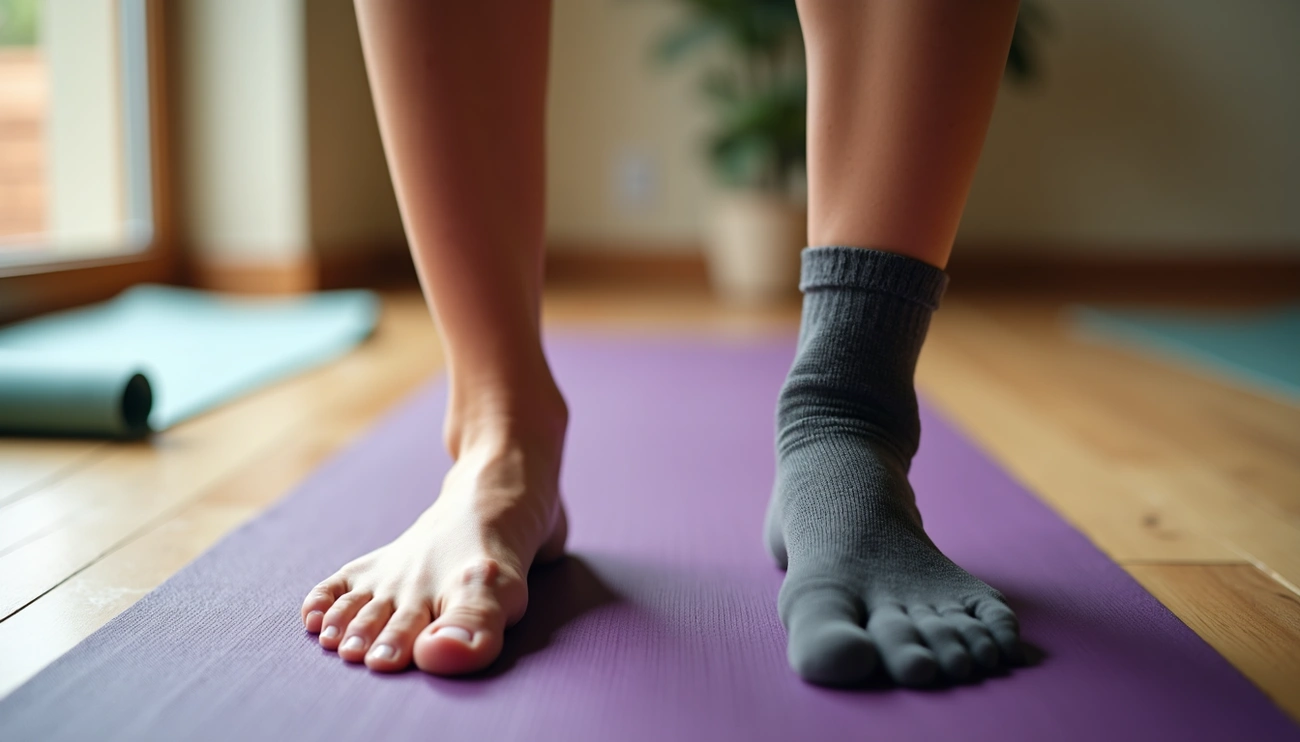
Yoga is usually practiced barefoot to improve grip, stability, and sensory connection with the mat. Bare feet help maintain balance and control during poses. However, non-slip grip socks can replace bare feet for warmth, studio hygiene, or added traction during beginner, slow-flow, or restorative yoga sessions.
Why Traditional Yoga Is Practiced Barefoot

Walking into a yoga studio and slipping off your shoes isn’t just a practical choice. In reality, removing footwear serves as a symbolic gesture of respect for the practice, signaling that you’re leaving the outside world behind and entering a space of inner reflection. This ritual connects modern practitioners to centuries of yogic tradition.
The spiritual grounding element
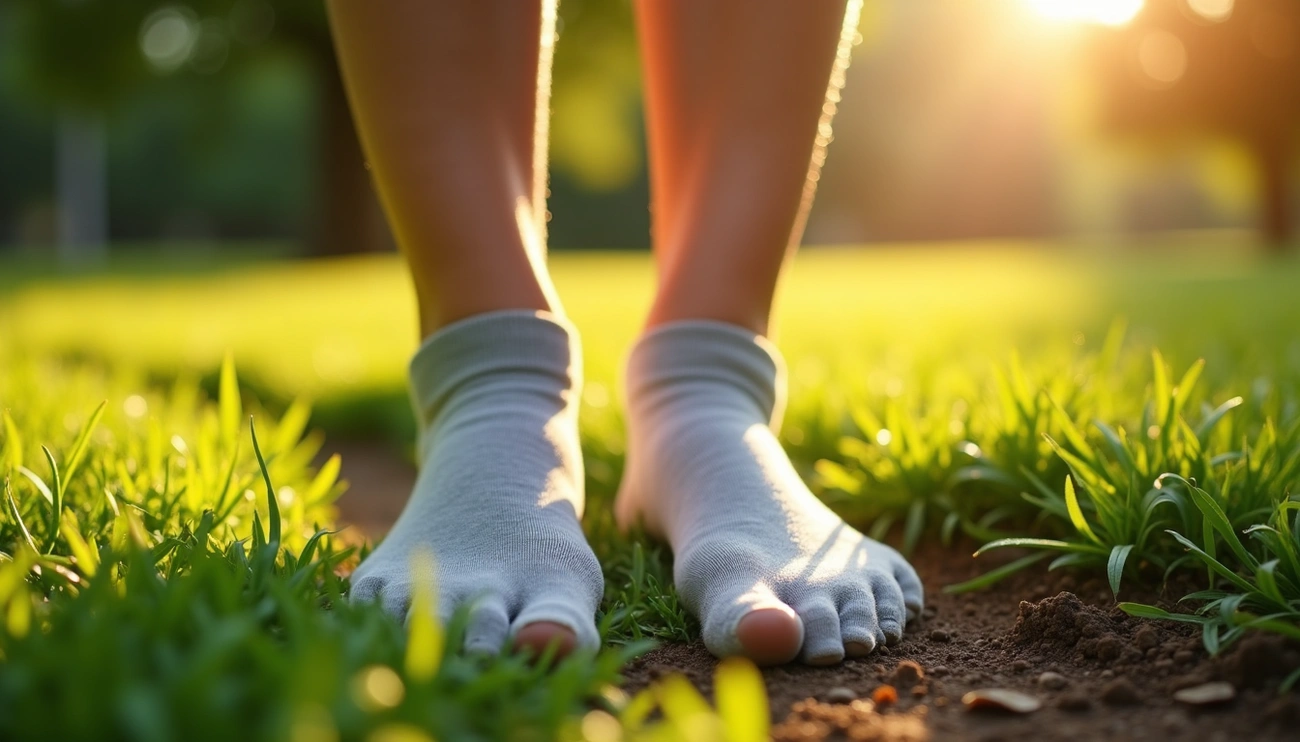
The concept of grounding goes beyond physical contact with your mat. Being barefoot allows you to connect with the earth’s energy, facilitating what yogis call “prana” or energy flow throughout your body. This connection relates directly to the root chakra (Muladhara), which sits at the pelvic floor and governs your sense of safety, stability, and belonging. When you plant your feet directly on the ground, you strengthen this energetic foundation.
Grounding also supports mindfulness by anchoring your attention to the present moment. Your feet serve as reference points that widen awareness, particularly useful when challenging emotions or physical sensations arise during practice. This embodied connection keeps you from drifting into mental distractions.
Connection through nerve endings in your feet
Your feet house an remarkable amount of neural hardware:
- Over 200,000 nerve endings in each foot
- 26 bones, 33 joints, and more than 100 muscles, tendons, and ligaments
- Specialized proprioceptors that constantly feed information to your brain
Feet are actually the most nerve-rich parts of the human body, which means they contribute to building neurological pathways in your brain. These proprioceptors provide a continuous stream of data about your body’s position in space, essential for maintaining balance in poses like dancer’s pose. Shoes reduce the amount of information these receptors can gather, essentially blocking vital sensory input.
Better sensory awareness during poses
Barefoot practice heightens your ability to feel the ground beneath you, which translates to improved balance and alignment. Your feet function as the foundation of your body’s temple. If this base tilts or collapses, the misalignment ripples upward through your legs, spine, and posture.
Without shoes constricting your feet, you can properly spread your toes, activate your arches, and stabilize through your heels. This enhanced connection allows you to pump up your arches and create proper spacing between bones and floor. Equally important, barefoot training provides more sensory feedback to your brain, helping you react quickly to shifts in balance or movement.
The Problems with Wearing Regular Socks During Yoga

Regular socks might seem like a harmless addition to your practice, but they actually create several safety hazards on the mat. Regular socks don’t grip yoga mats well, which can lead to falls and injuries. This slipperiness becomes particularly problematic during transitions between poses and can compromise your entire session.
Loss of grip and stability on the mat
Yoga mats are designed specifically for bare feet, not fabric. When you wear regular socks, they create instability, causing practitioners to slip frequently. The combination of sock fabric on certain mat surfaces means you’ll struggle to maintain basic stability. Sweat makes this worse, as moisture builds up between your foot and the sock fabric, further reducing traction.
Beyond slipping, regular socks also bunch and move during poses. You’ll find yourself constantly adjusting your socks instead of focusing on your breath and alignment. This distraction pulls you out of the meditative state that makes yoga so beneficial.
Balance issues in standing poses
Fabric acts as a soft, unstable surface between your feet and the mat. Standing poses require you to distribute weight evenly through specific parts of your feet. Socks make it difficult to sense subtle shifts in alignment, which means you can’t adjust your position effectively. This reduced awareness affects your ability to refine poses and build the stabilizing muscles that support balance.
Difficulty spreading toes properly
Socks restrict your feet, making it harder to spread your toes as instructed in most classes. Toe spreading helps distribute weight evenly and improves balance. With fabric confining your toes, you’ll never achieve the same degree of foot activation as barefoot practice.
Your teacher can’t see your foot alignment
Covered feet prevent your instructor from seeing whether you’re spreading your toes correctly or maintaining proper alignment. This visual barrier means they can’t offer the corrections you need to practice safely and effectively.
When You Actually Should Wear Socks for Yoga

Barefoot practice works for most situations, but certain circumstances make socks for yoga a practical choice.
During slower practices like yin or restorative yoga
Yin yoga won’t generate heat internally. You’ll remain still in poses for extended periods, which means your body temperature drops rather than rises. Wearing socks during these slower practices keeps your feet comfortable so you can focus on the deep stretches rather than cold toes.
In cold studios or outdoor sessions
Winter practice in unheated or minimally heated studios leaves bare feet painfully cold. Cold feet make it impossible to concentrate on your practice. Yoga socks provide warmth that transforms cold-weather sessions from uncomfortable to enjoyable.
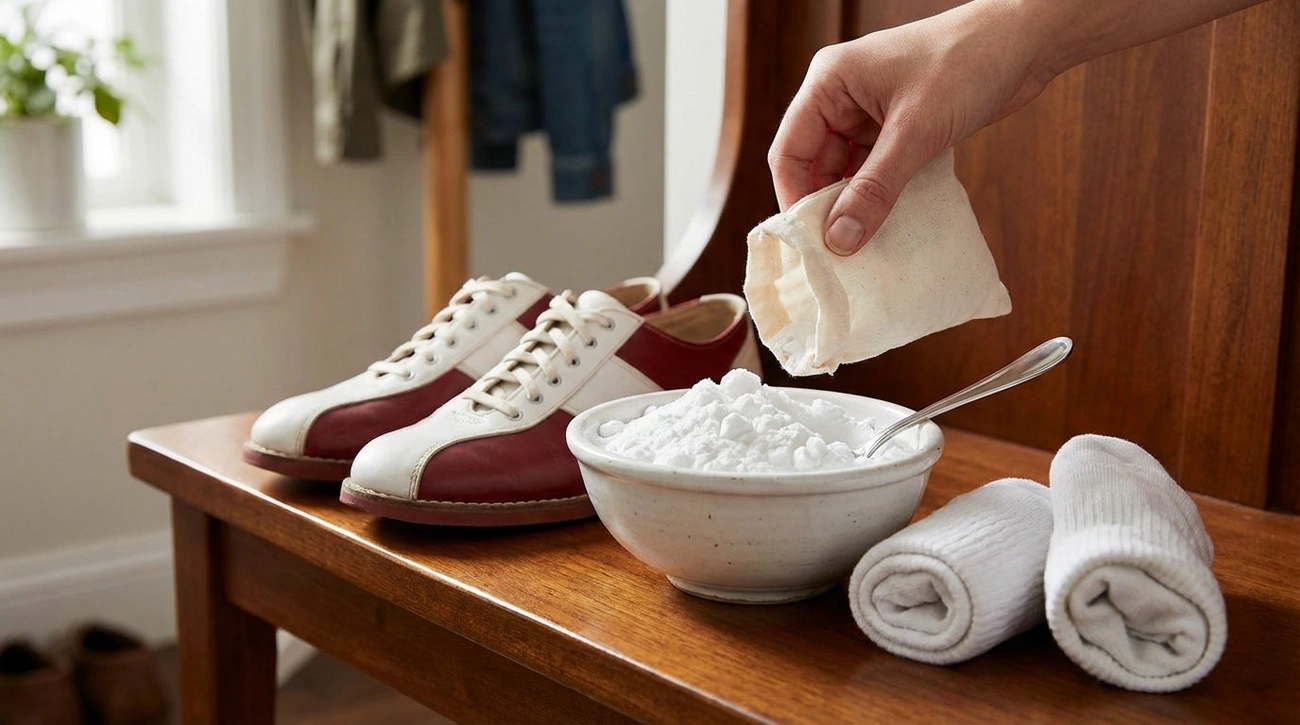
For hygiene concerns with shared mats
Yoga studios serve hundreds of students weekly on shared surfaces. Dr. Greg Cohen, a podiatrist, reported a 50% spike in patients with athlete’s foot and plantar warts over two years, with unclean exercise mats as the likely culprit. Socks create a protective barrier between your skin and surfaces others have touched. If you have athlete’s foot or plantar warts, wearing socks protects other students from infection.
When you have foot injuries or sensitivities
Several medical conditions make barefoot practice uncomfortable. Plantar fasciitis causes heel pain that makes standing poses excruciating, while cushioned socks provide needed padding. People with diabetes face reduced foot sensation and increased injury risk. Raynaud’s disease causes extreme cold sensitivity in extremities. Arthritis in the feet makes weight-bearing on bare feet painful.
Choosing the Right Yoga Socks If You Need Them

Selecting yoga socks requires attention to specific features that support your practice rather than hinder it.
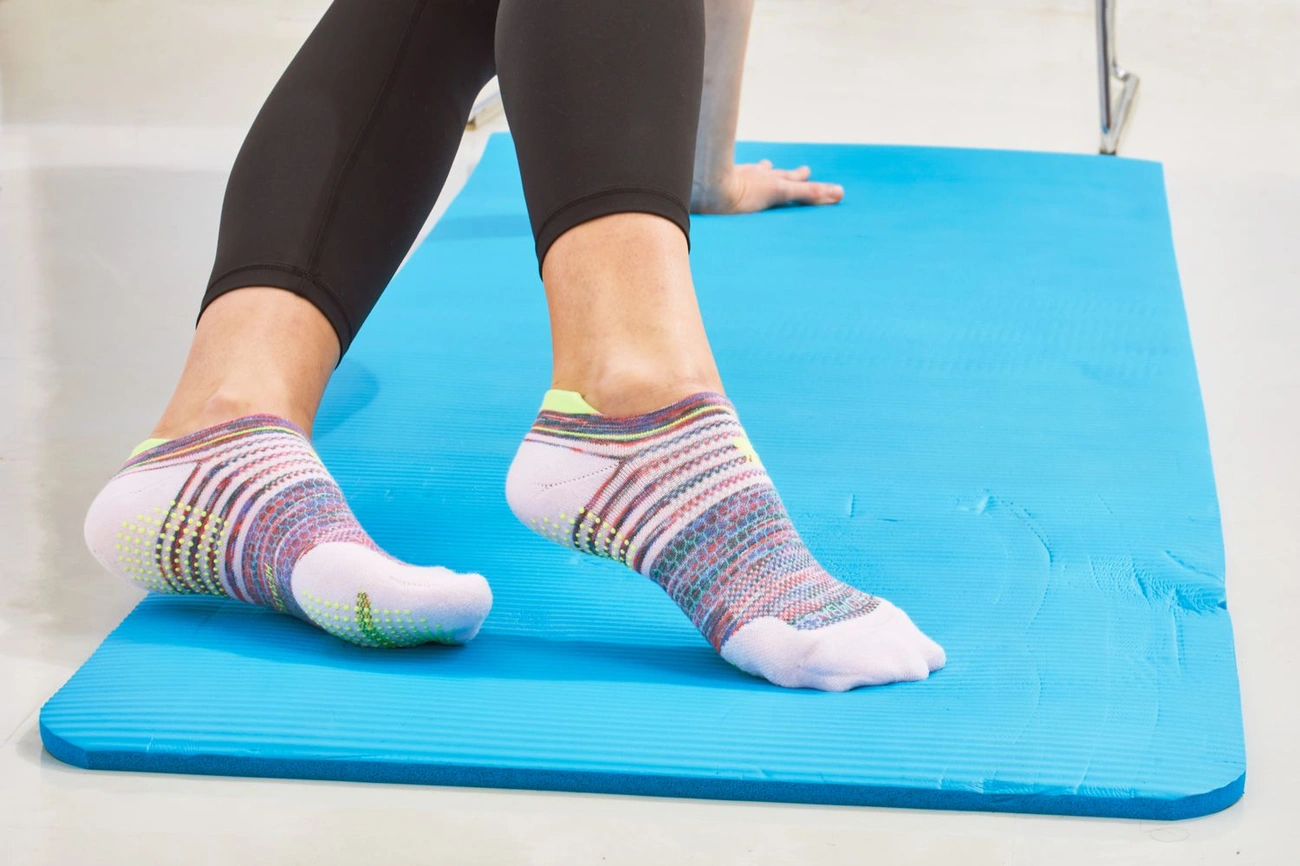
Look for non-slip grip soles
Silicone grips provide reliable traction whether you’re on hardwood floors or a yoga mat. These grips come in different patterns: dotted, striped, or full coverage of the sole. Full coverage offers maximum stability, while some brands place grips specifically at the toes and heel for a more natural feel. The grips embed into your mat to provide resistance, ensuring stability during practice.
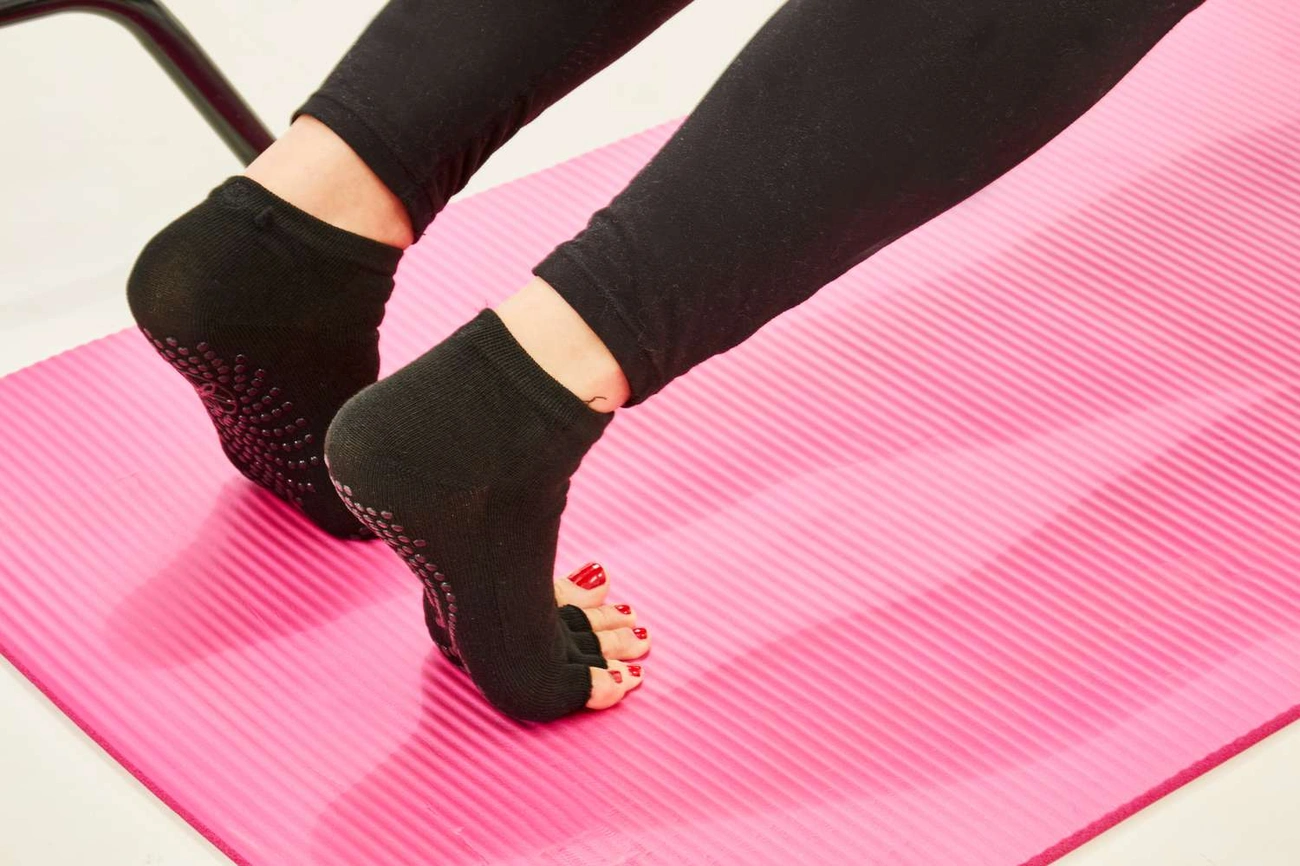
Consider yoga toe socks for better flexibility
Toe socks wrap each toe individually, allowing natural movement and separation. This design significantly improves foot flexibility, enabling your toes to grip and stretch more effectively. Each toe can feel the mat directly, which enhances tactile perception and improves control during poses. Open-toe designs give you the free feeling of being barefoot while maintaining protection.
Ensure breathable and moisture-wicking material
Moisture-wicking fabrics are necessary since sweat can cause slipping if material doesn’t manage moisture properly. Cotton blends with spandex or nylon offer breathability and maintain shape after repeated washes. Bamboo fiber provides natural antibacterial properties. Polyester mixes deliver durability and quick-drying performance.
Check the fit to avoid bunching
Yoga socks should feel like second skin. Too tight restricts circulation, while too loose causes slipping and bunching during poses. Between sizes, choose the snugger option.
Conclusion
Barefoot practice remains the gold standard for most yoga sessions, giving you the sensory feedback and stability your body needs. That said, specific situations call for yoga socks: cold environments, hygiene concerns, or foot sensitivities. When you do need socks, choose ones with non-slip grips and breathable fabric. The right choice depends on your unique circumstances, so listen to your body and adapt your practice accordingly.