Grip socks are not required for mat Pilates, because many practitioners prefer bare feet for balance and stability. However, grip socks improve traction and hygiene, especially in shared studios. Some Pilates studios require grip socks to prevent slipping, while others allow bare feet or regular socks.
What Are Grip Socks for Pilates?

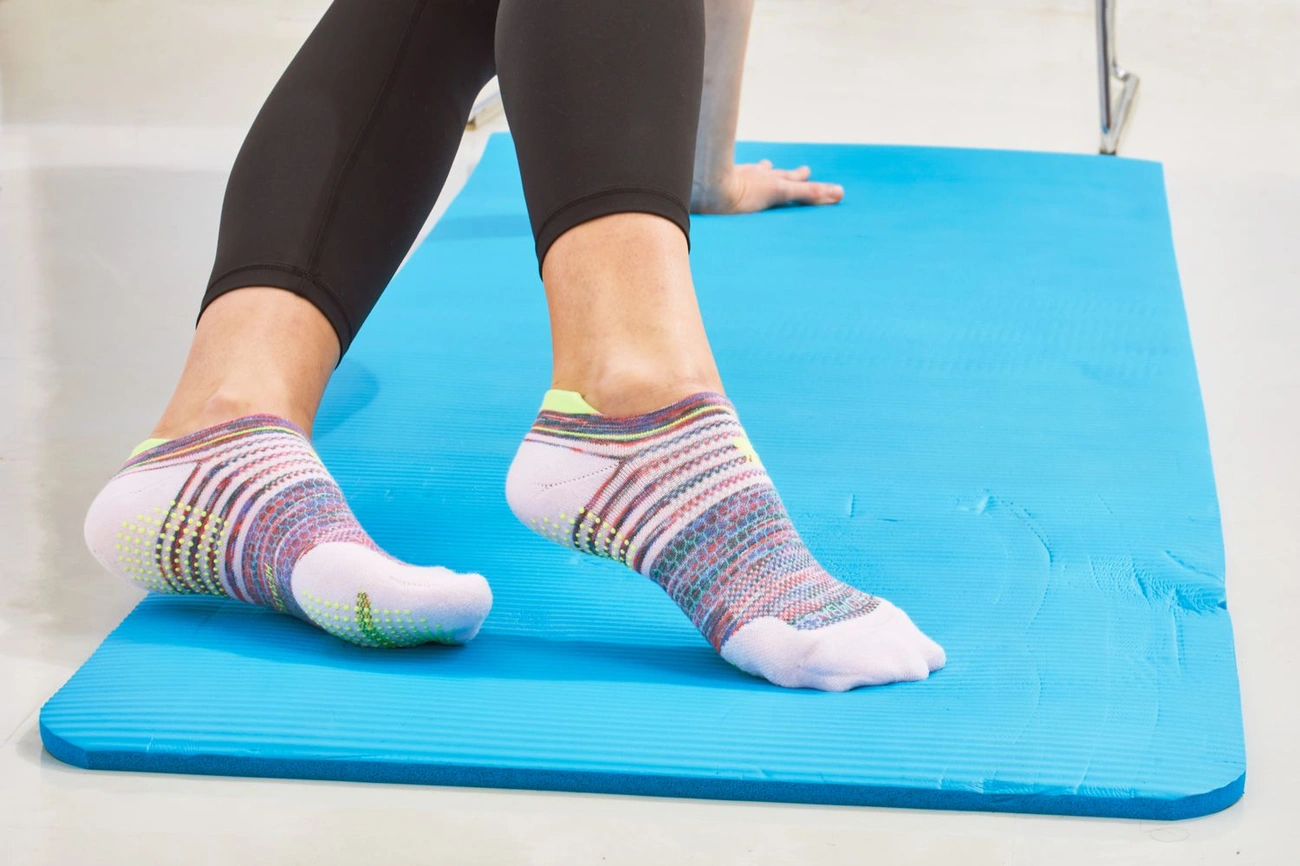
Pilates grip socks are specialized footwear featuring silicone or rubber grip dots on the sole that provide traction and stability during exercise. These non-slip socks prevent slipping on smooth surfaces, which makes them different from the regular socks you wear daily.
How Grip Socks Differ from Regular Socks
Regular socks serve general purposes and lack features tailored for movement-based activities. The differences go beyond just having grippy bottoms.
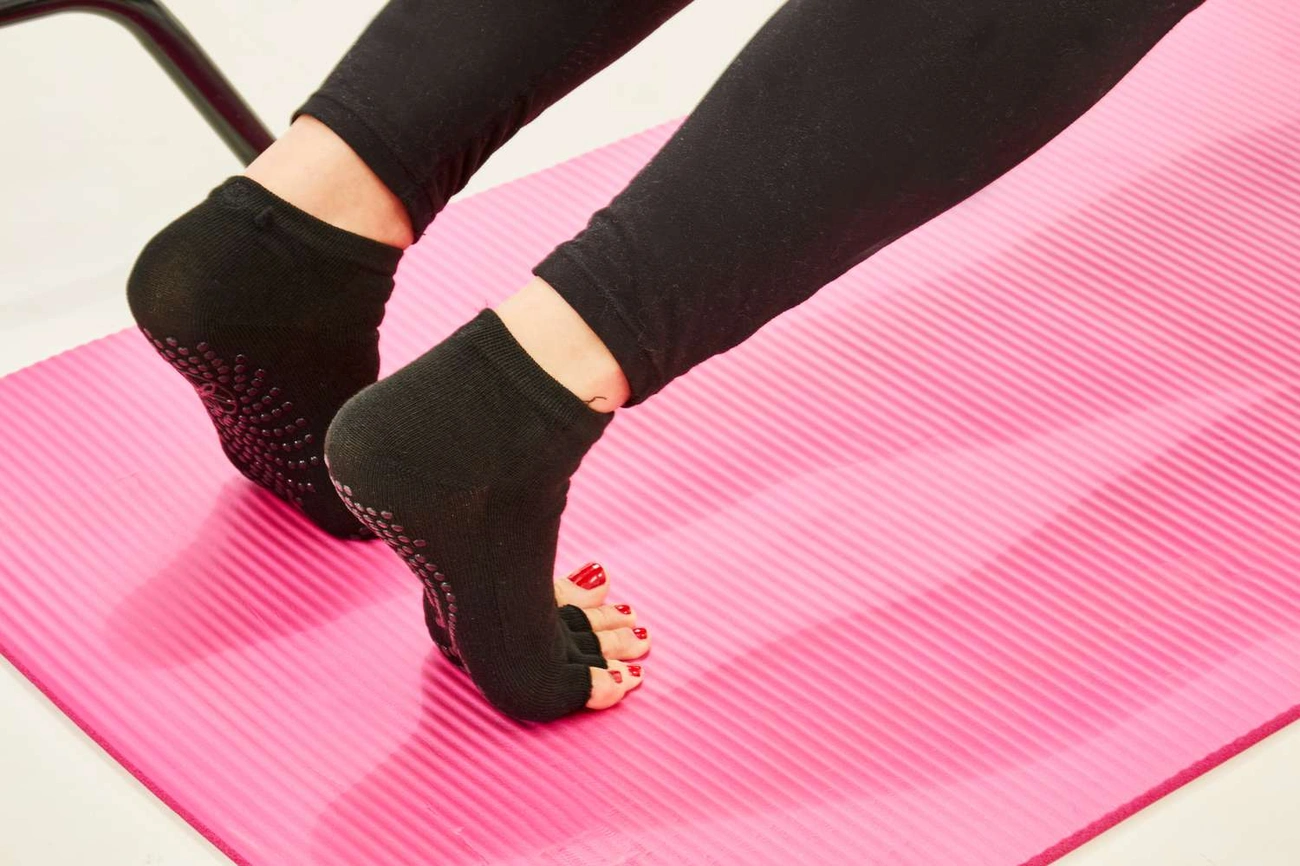
Grip patterns set these socks apart. While regular socks have smooth soles, pilates socks feature silicone or rubber grips strategically placed across the bottom. The best grip socks provide full coverage from toes to heel rather than just dots in the middle. This matters because your foot makes contact with different surfaces during various Pilates movements.
Fit and construction differ significantly. Pilates socks use thicker, stretchable fabric offering better support with a more fitted design that stays put during dynamic movements. Regular socks vary widely in fit and often bunch or slide around. The snug fit of grip socks ensures they grip your feet, preventing them from coming off or moving around, which would shift the grips and reduce your security.
Materials serve different purposes. Grip socks commonly use moisture-wicking fabrics that keep feet dry and comfortable during workouts. Regular socks don’t prioritize moisture management. Some grip socks feature breathable materials like bamboo or organic cotton.
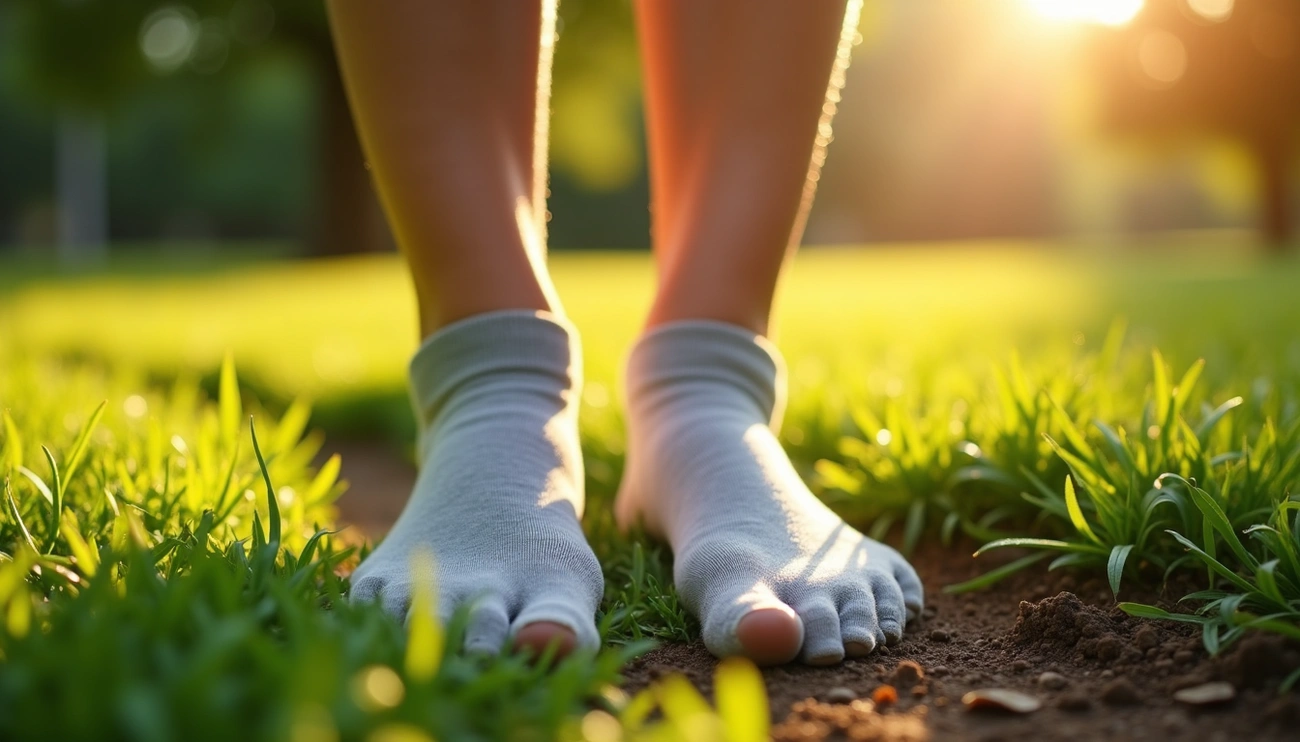
Toe design varies too. Some pilates socks have open-toe designs allowing better awareness of foot placement, while regular socks are generally closed-toe.
Key Features of Pilates Grip Socks
The mechanics behind these socks involve friction technology. Silicone or rubber grips adhere to smooth surfaces like reformer machines or polished floors. When you put weight on your foot, these grips create resistance that prevents sliding.
Strategic grip placement focuses on high-pressure areas of the feet, particularly the balls and heels. Quality grip socks feature multiple individual grips rather than minimal coverage. The thickness matters too. You want grips that aren’t too thick so you can still feel the bottom of your foot and grip equipment properly.
Form-fitting design ensures the sock stays in place, eliminating distractions during your practice. Many varieties include arch support and additional cushioning around toes and heels for comfort during longer sessions.
The Case for Going Barefoot in Mat Pilates

Many practitioners find barefoot practice offers distinct advantages that grip socks simply can’t replicate. The choice between bare feet and socks isn’t just about personal preference, it’s rooted in how your body processes movement and maintains stability.
Better Connection to the Mat
Your feet contain thousands of nerve endings on their soles that send constant signals to your brain. Going barefoot allows direct contact with the mat, providing sensory feedback that helps you adjust posture and alignment more effectively. This tactile sensation gets reduced when you wear socks, much like wearing gloves diminishes your sense of touch.
Barefoot practice deepens your connection to the mat, promoting grounding and stability. Without that barrier between you and the surface, you might feel a more natural bond. Depending on your skin condition, you may actually have reduced chance of slipping compared to wearing regular non-grip socks.
Enhanced Balance and Proprioception
Proprioception, your body’s internal GPS, allows you to sense position and movement in space. The ankle’s retinaculum has five times as many proprioceptive nerve endings as anywhere else in your body. That’s substantial sensory input helping you avoid twisted ankles and maintain proper gait mechanics.
Research supports barefoot training benefits. A study published in the Journal of Physical Therapy Science found that barefoot training improves balance and proprioception more effectively than training in shoes. Working out without shoes engages smaller muscles in your feet and ankles that shoes normally accommodate, strengthening your foundation.
When Barefoot Works Best
Mat Pilates focuses on flexibility, core strength, and alignment, which explains why many people prefer barefoot practice. Your feet have their own natural gripping mechanism through skin texture and the ability to flex and extend toes. Greater foot articulation becomes possible when your feet move freely, allowing you to engage toes and arches more effectively.
When Grip Socks Actually Help in Mat Pilates

While barefoot practice has merit, certain situations make grip socks the smarter choice for mat Pilates.
Preventing Slips on Smooth Surfaces
Slippery floors create real safety concerns during mat work. If you practice on hardwood floors or polished studio surfaces, your feet can slide during movements like planks or bridges. The non-slip grip on pilates socks prevents this sliding, particularly when your workout gets intense. Full-sole silicone grips work better than socks with just a few dots, which fade quickly and won’t hold during movements like plank pikes or standing lunges.
Hygiene in Shared Studio Spaces
Studios are shared spaces where many people practice. Mats, floors, and equipment harbor sweat, dust, and skin cells. Grip socks create a barrier between your feet and these shared surfaces, reducing direct contact with germs or bacteria. Most studios actually require grip socks for hygiene reasons. This protection becomes more important if you have cuts or open wounds on your feet. Wearing socks helps reduce the spread of dirt and outside debris, keeping reformers and mats cleaner.
Support for Sweaty Feet
Sweaty feet slip, even on textured mats. Socks made from wool or synthetic fabric wick sweat away from your skin and keep your feet dry. Moisture-wicking materials maintain freshness and help prevent odor throughout your workout.
Extra Cushioning and Comfort
Many grip socks include extra cushioning around the heel and forefoot to absorb impact. This cushioning makes kneeling, standing, and weight shifts more comfortable. Arch support provides additional stability during standing or balancing exercises.
How to Decide What’s Right for You

Making the choice between barefoot and grip socks comes down to three factors that interact with your specific situation.
Consider Your Practice Environment
Your mat setup determines much of this decision. If you practice on your own mat at home, barefoot works well. Communal mats in studios shift the equation toward grip socks for hygiene and stability. The surface underneath matters too. Smooth floors increase slip risk, making grip socks safer.
Assess Your Comfort Level
Experimentation reveals what works for your body. Start your session barefoot and keep grip socks nearby. Switch halfway through if one option feels more comfortable for certain exercises. Many practitioners keep both grip socks and regular athletic socks in their bags, allowing flexibility depending on the class type. Personal preference plays a significant role. Some prefer thick, cushioned styles while others opt for lighter, thinner designs.
Studio Requirements and Policies
Check your studio’s policy before your first class. Whether grip socks are required should appear in your booking confirmation email or on the website. Some studios mandate grip socks for health and safety reasons. Others allow barefoot practice for mat classes but require socks for reformer work. Most studios sell grip socks on-site for around $20 if you forget yours. Regular socks without grips create the worst scenario, making surfaces extra slippery.
Conclusion
The grip sock debate doesn’t have a one-size-fits-all answer. Your best choice depends on your practice environment, comfort level, and studio requirements. I recommend trying both options to see what feels right for your body. Keep a pair of grip socks in your bag for slippery surfaces or shared spaces, but don’t hesitate to go barefoot when conditions allow. Listen to your feet, and they’ll tell you what works best.