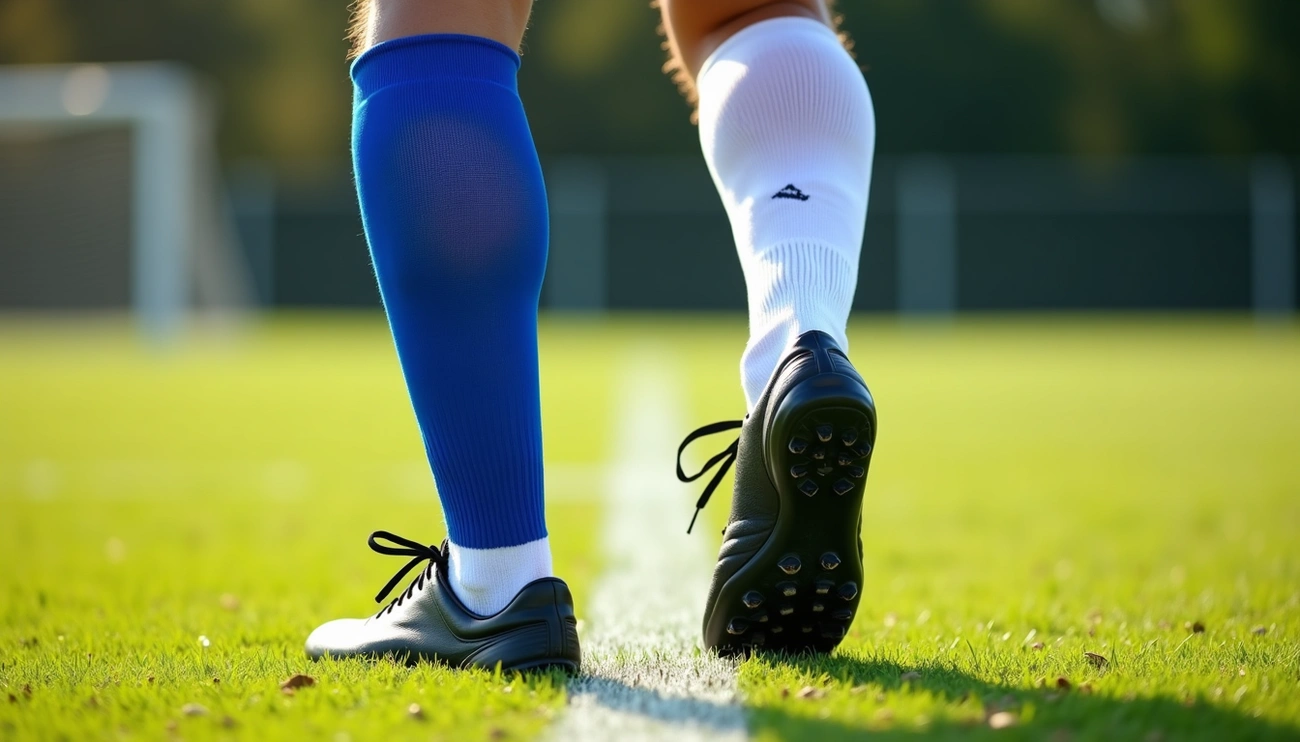
Soccer socks are called knee-high socks or football stockings because they cover shin guards and extend to the knee. Players also use grip socks, which include rubber pads that increase traction inside the boot. Professional players often wear soccer sleeves, which are cut-off outer socks used over grip socks.
What Are Soccer Socks and Why Do They Matter?
Basic functions of soccer socks
Soccer players rely on socks for three fundamental purposes that directly affect their ability to perform. First, socks cover and hold shin pads in place, increasing protection during tackles and collisions. Second, they keep calf muscles warm, which reduces the risk of muscle-related injuries throughout the match. Third, quality socks offer compression to leg muscles, increasing blood circulation during intense play.
The extended length of what are the long soccer socks called serves multiple roles beyond esthetics. These knee-high socks prevent shin guards from shifting during movement, providing maximum protection while covering the exposed space between shorts and cleats. This design ensures nothing distracts from your focus during critical moments on the field.
Materials soccer socks are made from
What are soccer socks made of varies significantly across brands and performance levels. Common materials include nylon, polyester, spandex, cotton, olefin, polyamide, and profilen. Top manufacturers like Adidas, Nike, and Under Armor blend these materials differently to achieve specific performance characteristics.
Nylon handles extensive pulling and stretching while offering resistance and durability, though it absorbs more water compared to other synthetics. Polyester manages moisture better than nylon and provides superior breathability, which explains why Nike uses it in their DRI-Fit soccer socks. Spandex handles extreme tension and helps socks maintain their shape during repeated wear.
Cotton presents significant drawbacks for soccer applications. It absorbs the most moisture out of all fabrics, loses its shape frequently, and increases blister risk due to its coarse texture. Moisture buildup combined with warmth creates conditions favorable for fungal growth.
Merino wool absorbs vapor before it becomes sweat and provides natural antibacterial benefits that resist odor. Modern performance blends typically contain 60-80% nylon or polyester for moisture management, 5-10% elastane for fit and stability, and optional merino wool for temperature control.
How socks impact performance
The right sock material directly influences comfort and injury prevention. Moisture-wicking fabrics keep feet dry throughout matches, preventing discomfort and blisters. Specialized cushioning in the heel and toe areas absorbs impact and reduces friction-related injuries.
Compression technology improves blood circulation and reduces muscle fatigue during extended play. This compression fit supports muscles and enhances performance by increasing oxygen flow to the legs, helping players maintain energy levels throughout full matches.
Standard Soccer Socks (Team Socks)
What are the long soccer socks called
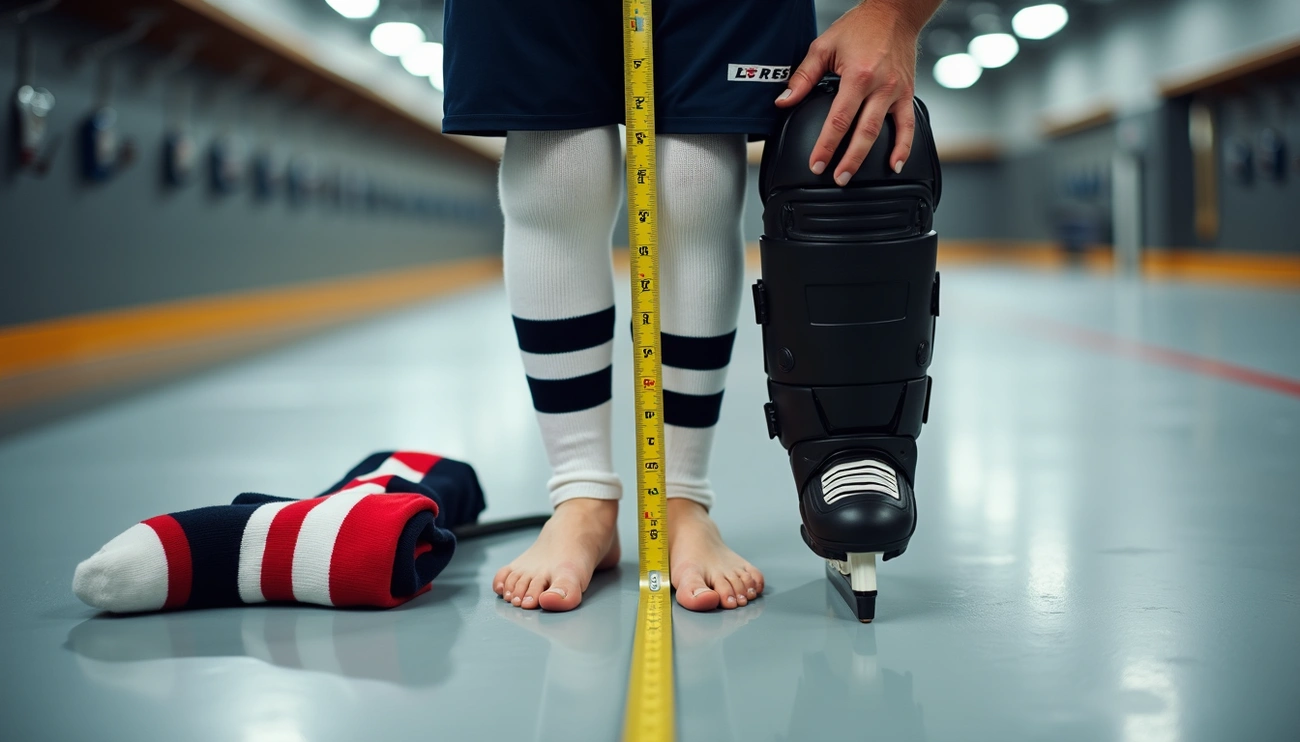
Standard team socks are typically called knee-high soccer socks or over-the-calf (OTC) socks. These represent the most common type worn across all levels, from youth leagues to professional play. The knee-high designation refers to their extended length, which reaches just below the knee to fully cover shin guards.
Over-the-knee (OTK) socks provide even longer coverage for players who prefer maximum protection. Both variations serve the same core purpose: securing shin guards while maintaining uniform compliance throughout matches.
Features of traditional soccer socks
Standard soccer socks differ significantly from regular athletic socks in construction and performance requirements. The height allows them to reach over the calf and cover shin guards securely, something regular socks cannot accomplish effectively.
Soccer movements place heavy stress on the forefoot and heel. Accordingly, these socks use dense knitting, strategic cushioning, and anti-slip fibers in reinforced heel, toe, and arch zones to protect against blisters and pressure points. Specialized rib-knit structures anchor shin guards in place, eliminating constant adjustments during play.
The durability engineering sets them apart. Standard soccer socks survive turf burn, cleat pressure, aggressive movements, and frequent washing cycles. Snug elastic at the top keeps them positioned throughout matches, while preventing shin guard slippage and reducing friction against the guard’s edges.
When to use standard soccer socks
Match-day requires socks that completely cover shin guards. League regulations demand this coverage, making knee-high socks mandatory for official competition regardless of personal preference.
Training sessions versus match-day present different requirements. Training socks should emphasize durability and ease of care since they face the highest volume of wash cycles. Match-day socks, conversely, should be your highest-performing pair. Players stretch standard socks over shin guards after positioning guards either over or under the sock, depending on guard style.
Grip Socks for Soccer
What are grip socks
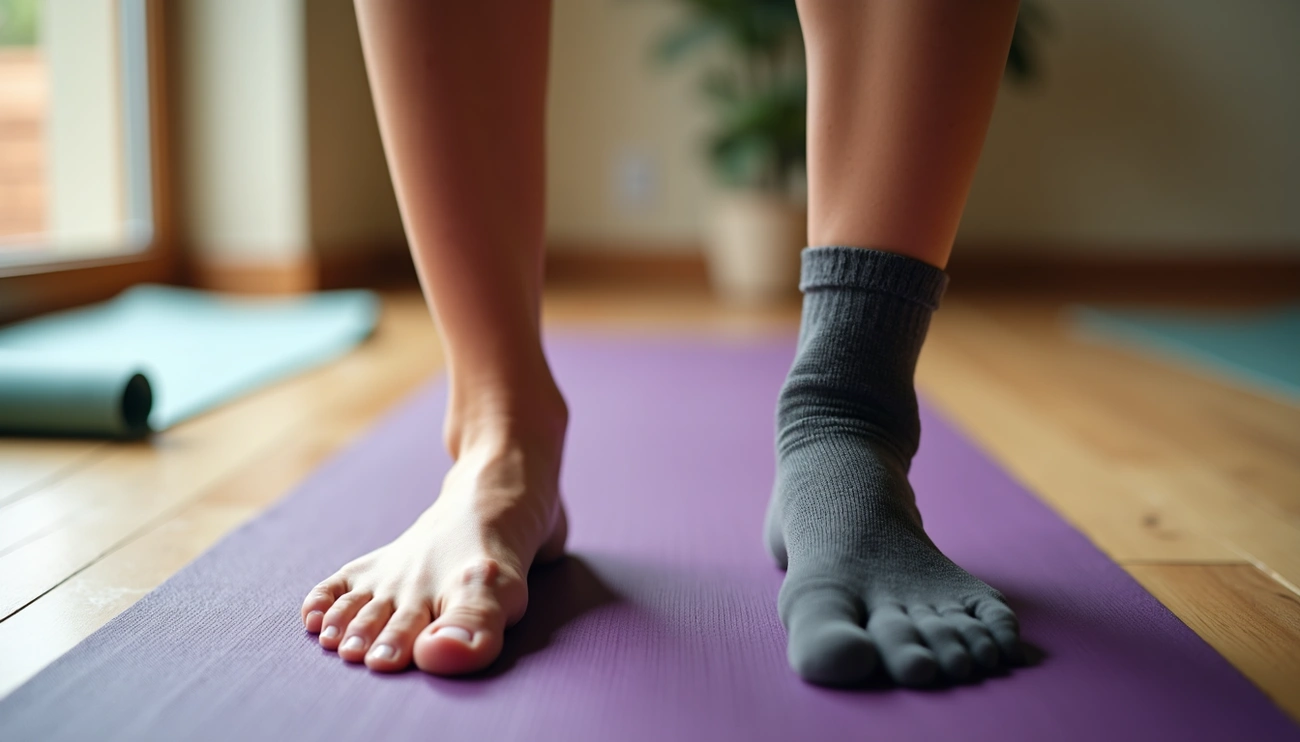
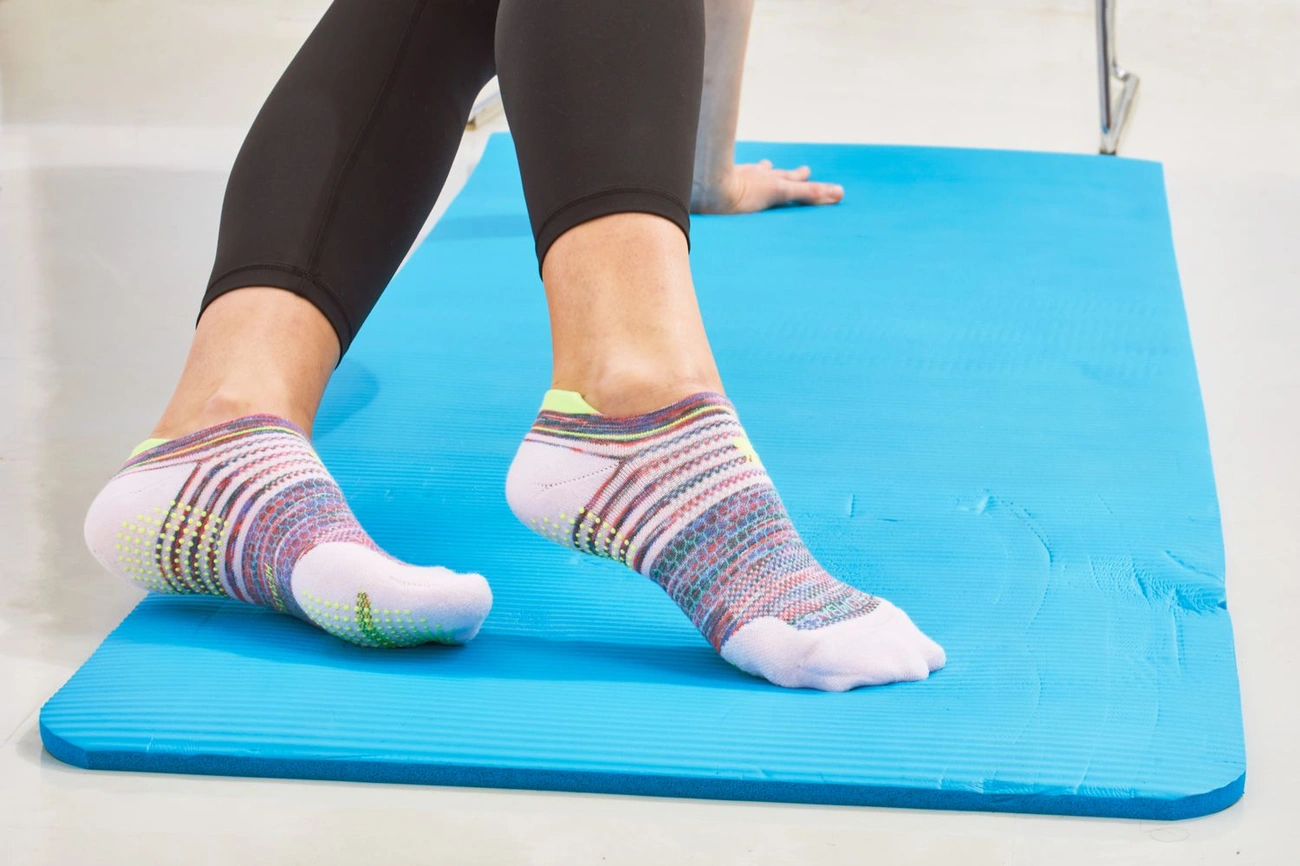
Grip socks feature specialized non-slip materials that set them apart from traditional team socks. These performance socks incorporate silicone, PVC, or flocking fabric on the soles to enhance traction. The grip pads are strategically placed in key areas such as the heel and ball of the foot to prevent slipping. Silicone and PVC offer strong, durable grip, while flocking fabric provides a softer, more flexible hold.
The design typically includes arrow-shaped silicone patterns on the sole and heel areas. This placement addresses friction between the foot and shoe, creating a locked-in feel during play.
Why do soccer players wear grip socks
Professional adoption tells the story. In fact, 72% of pros wear grip socks. Across the Premier League, LaLiga, MLS, Bundesliga, and Serie A, professional players choose grip socks during training and matches.
Standard team-issue socks offer zero traction inside the cleat. At elite levels, where fractions of a second determine outcomes, internal foot slippage creates unacceptable inefficiency. Players executing directional changes showed 10-12% faster performance on average when using grip socks.
How grip socks prevent foot slippage
Grip socks eliminate micromovements that commonly occur during play. By securely fixing the foot inside the shoe, they reduce unwanted lateral and vertical movements. This reduction leads to greater speed and explosiveness, especially when changing direction.
The stability prevents the foot from sliding inside the boot during rapid movements. Additionally, limiting foot movement reduces friction, minimizing blister development. The added stability also prevents strain on bones, tendons, and joints, reducing injury risk.
Best grip socks for soccer
Common brands at professional levels include TruSox, Tapedesign, Nike Grip Strike, Falke, and MediCaptain. When selecting grip socks, consider grip performance during directional changes, comfort during 90+ minutes of play, and fit inside your specific cleat model. Quality material, grip effectiveness, and user reviews help ensure the product meets football performance needs.
Other Types of Soccer Socks
Compression soccer socks
Compression socks apply graded pressure to the legs, tighter at the ankle and looser higher up, encouraging blood flow upward toward the heart. This design improves venous return and prevents blood from pooling in the lower extremities.
For players, compression technology delivers more oxygen-rich blood to working muscles, faster removal of waste products like lactic acid, and delayed onset of fatigue. Compression socks reduce muscle oscillation during high-impact movements, lower soreness after training sessions, and improve muscle alignment and efficiency.
Recovery benefits include increased blood flow to flush out lactic acid, reduced inflammation in muscles and joints, and prevention of swelling in ankles and calves. The snug fit prevents slipping inside shoes while providing arch and ankle support for stability.
Padded soccer socks
Padded options feature extra cushioning in key areas such as the heel and toe. This additional cushioning absorbs impact and reduces the risk of friction-related injuries and blisters.
Cut-resistant socks
Cut-resistant socks offer protection against cleat-related injuries during aggressive play, though specialized materials vary by manufacturer.
Crew length vs ankle length options
Ankle socks provide lightweight options for training sessions, while crew-length and knee-high socks remain standard for match play requiring shin guard coverage.
Conclusion
Choosing the right soccer socks goes beyond matching your team colors. As I have shown, grip socks deliver performance advantages that explain why 72% of professionals rely on them, while compression options support recovery and standard knee-high socks remain match-day essentials. Your playing style, position demands, and comfort preferences should guide your decision. Start with quality grip socks for training sessions to experience the difference firsthand, then build your sock collection based on what improves your game most effectively.